


Are you a fan of the sun-dappled rooms in Japanese home decorating magazines? Regularly find yourself fantasizing about lavender fields in the south of France? A trip to Yongkang Street (永康街) just might satisfy your longings. The neighborhood is most popular among tourists for Din Tai Fung (鼎泰豐) and the shaved ice shop formerly known as Ice Monster (now called Yongkang 15), but a walk through the lanes and alleys reveals a plethora of boutiques designed to appeal to fans of zakka (a Japanese trend that emphasizes simplicity and personal touches) home decorating and clothing. The following stores have plenty of good holiday gift ideas — as well as little touches to enhance your own home and wardrobe.
Le Bon Marche (法國好市集)
6, Ln 14, Yongkang St, Taipei City (台北市永康街14巷6號)
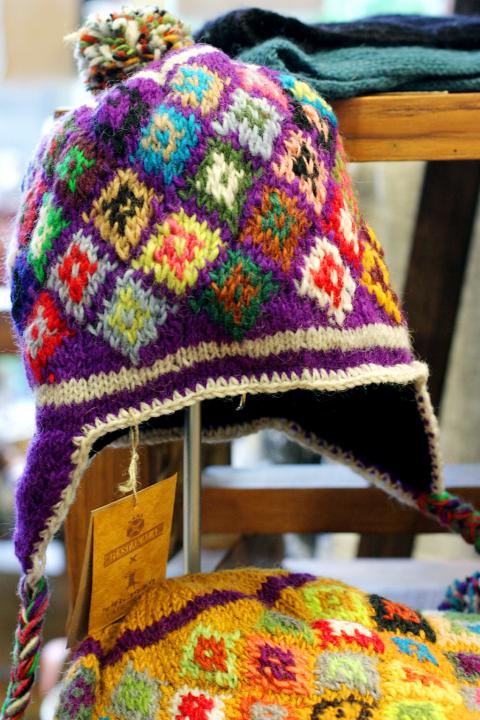
Photo: Catherine Shu, Taipei Times, and courtesy of Alpen Garden
Telephone: (02) 2341-2359
On the Net: www.alpengarden.com
Le Bon Marche and its sister store La Maison (香氛居家) were founded by Roger Wengmann, a Swiss expatriate who goes on regular buying trips to his native country and the south of France to bring back goods. Le Bon Marche’s offerings include vintage wares such as window frames and doors, but its bestsellers are herbal teas from Switzerland and aromatherapy products. The inside of the store is decorated beautifully and filled with the scent of lavender from dried bouquets. Get ideas on how to brighten the interior of your home or balcony with dishware, linens and wrought iron plant holders.
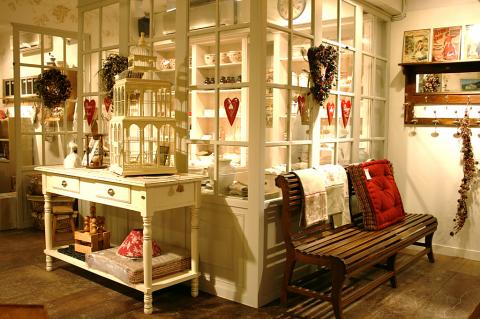
Photo: Catherine Shu, Taipei Times, and courtesy of Alpen Garden
La Maison (香氛居家)
1, Alley 12, Ln 31, Yongkang St, Taipei City (台北市永康街31巷12弄1號)
(02) 2357-0887
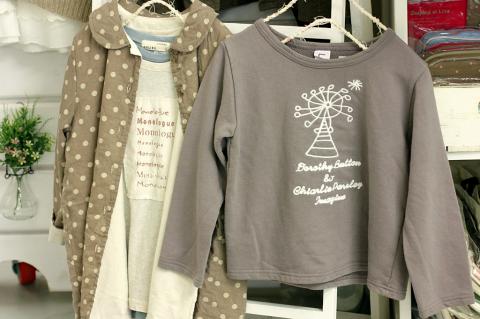
Photo: Catherine Shu, Taipei Times, and courtesy of Alpen Garden
On the Net: www.alpengarden.com
Located on a picturesque, tree-lined street, La Maison specializes in items from English brand Cath Kidston, known for oilcloth totes and bags printed with lush cabbage roses, polka dots or retro floral motifs (a popular style, the carry-all tote, is NT$2,180), as well as cherry blossom-scented bath products. The store also carries canvas tennis shoes (NT$1,980) and a selection of shift dresses and other clothing by French brand Bensimon.
Veltiver Apothecary
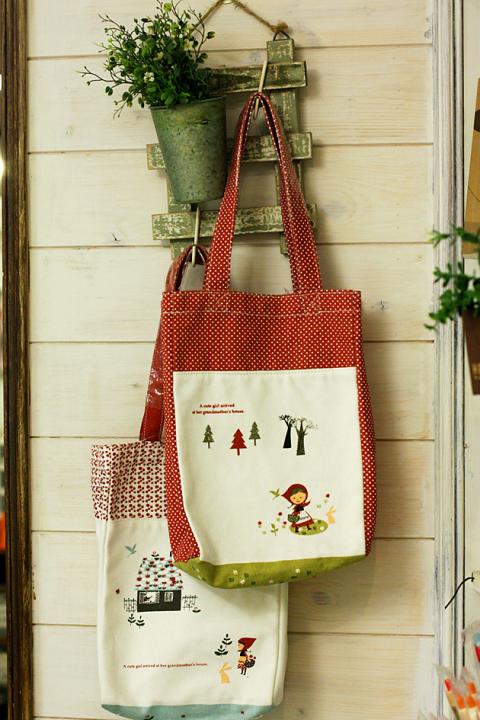
Photo: Catherine Shu, Taipei Times, and courtesy of Alpen Garden
1, Alley 12, Ln 31, Yongkang St, Taipei City (台北市永康街31巷12弄1號)
(02) 2351-7330
On the Net: www.veltiver.com.tw
La Maison’s next-door neighbor Veltiver Apothecary carries a large selection of imported skincare and bath products with a focus on indie brands that use natural ingredients. One wall is lined with items from Tinderbox, an Australian company that makes all of its products in small batches with mostly organic ingredients and no chemical additives. Highlights include a large range of essential oils, including lavender (good for relaxation) and tea tree oil (an antiseptic). Beautiful Breast Massage Oil, made from cold-pressed almond and jojoba oils and essential oils like frankincense, lemongrass and ylang-ylang, is said to improve skin tone and elasticity while making regular breast self-exams a relaxing indulgence. Other brands include ISUN skincare from the US and New Zealand’s Regenerate. Staffers are helpful and knowledgeable, but happy to let you browse and try out samples on your own.
Earth Tree (地球樹)
35-1, Ln 30, Xinsheng S Rd Sec 2, Taipei City (台北市新生南路二段30巷35之1號)
Telephone: (02) 2394-9959
On the Net: www.earthtree.com.tw
Located across the street from La Maison and Veltiver Apothecary, Earth Tree’s specialty is fair trade clothing and accessories from People Tree and Nepali Bazaro, two well-established Japanese brands that are both certified by the World Fair Trade Organization, a group that sets trading standards. Items currently in the store include cozy knitwear made in Nepal and sterling silver jewelry crafted in Thailand and India. Choose from a wide selection of hand-knit scarves (about NT$1,200 to NT$1,800) for holiday gifts. Small Taiwanese labels are also represented, including Yarn Passions (炙愛毛線, www.yarnpassions.tw), which imports and hand-dyes yarn made from plant and animal fibers harvested, prepared and spun using environmentally friendly practices.
Zakka Club (雜貨俱樂部)
3, Ln 14, Yongkang St, Taipei City (台北市永康路14巷3號)
Telephone: (02) 2393-1398
On the Net: www.zakkaclub.com.tw
Illustrator Shinzi Kotah is a firm favorite among zakka fans and his dishware, stationery and accessories enjoy a cult following. Kotah’s artistic trademark is combining motifs and characters from classic children’s stories like Alice in Wonderland and Little Red Riding Hood with strong lines reminiscent of 1960s modernist illustration and cheery pastel colors. Some illustrations have a slightly darker — but still cute — bent, like his Ugly Duckling series, which features the web-footed title character being taunted by his more conventionally attractive siblings. Zakka Club carries a large selection of Kotah’s merchandise, including double-tiered bento boxes (NT$790), canvas tote bags (NT$880) and thermoses (NT$1,280). The store also sells women’s and children’s clothing imported from Japan. Natural fabrics like cotton and linen, muted colors and prints such as polka dots all abound.
Cartoon House (卡通工房)
Address: 10 Yongkang St, Taipei City (台北市永康街10號)
Telephone : (02) 2321-2303
Owner Betty Hsiao’s (蕭淑華) store is an outgrowth of her twin passions: vintage toys and clothing. Her favorite cartoon is Candy Candy (小甜甜), a fact that is readily apparent as soon as you step into Cartoon House’s narrow storefront on Yongkang Street. Canvas bags pieced from different fabrics are emblazoned with Candy Candy’s bright yellow pig tails and glistening blue eyes, and vintage cabinets are lined with toys collected from Japan that feature the character. Other characters represented include Betty Boop, Doraemon, Mickey Mouse, Snoopy, Kewpie dolls and the chubby-cheeked Peko Poko candy mascots. Clothing features plenty of smock-like silhouettes and small flourishes like crochet collars and bowties.
Yongkang Sweet
Yongkang Street and its surrounding lanes are also lined with some of the hippest cafes in Taipei. The following places stand out for their whimsical decor and creative desserts.
Bunny Listens to the Music (兔子聽音樂餐坊)
Address: 15, Ln 6, Qingtian St, Taipei (台北市青田路6巷15號)
Telephone: (02) 2395-9388
On the Net: www.bunnymusic.com.tw
Bunny Listens to the Music features an airy interior with floor-to-ceiling windows, modern-style furniture and soothing purple walls. The restaurant offers lunch and dinner, but the highlight of its menu is afternoon tea from 2pm to 5pm. Tea for two people costs NT$550 with cakes, cookies and sandwiches served on a tiered tray and your choice of premium teas.
Boute de Bijou
19-1, Ln 33, Lishui Street (台北市麗水街33巷19之1)
Telephone: (02) 3322-2461
On the Net: www.boitedebijou.com.tw
Located just down the street from Bunny Listens to the Music, Boute de Bijou is a small French-style bakery run by the same owners. You can choose from treats like pain au chocolat, mont blanc mousse, macarons and handmade chocolates. Giftable items include jams in flavors like passion fruit and papaya (NT$220 to NT$250 for 100ml).
La Douceur Patisserie
223 Jinhua St, Taipei City (台北市金華街223號)
Telephone: (02) 3322-2833
On the Net: www.ladouceur.com.tw
Douceur means “sweet” in French and the interior of this cafe just around the corner from Yongkang Street on Jinhua Street is indeed as sweet as its macarons, chocolates and cakes. La Douceur’s macarons come in a rainbow of unusual flavors, including balsamic vinegar, wasabi and ginger (as well as classics like lemon, chocolate and vanilla) and are sold by weight for NT$38 per gram. Gift boxes are available.
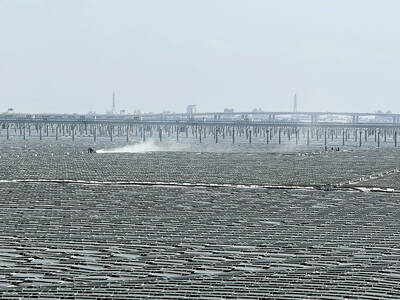
The arithmetic is straightforward and uncomfortable. By the end of 2025, Taiwan had committed itself to a 50-30-20 electricity mix — half natural gas, 30 per cent coal, 20 per cent renewables. The Ministry of Economic Affairs’s (MOEA) own monthly energy reports tell a different story. Natural gas reached 47.8 per cent of generation last year. Coal stood at 35.4 per cent, comfortably above its target ceiling. Renewables came in at 13.1 per cent, well short of the 20 per cent Taipei had pledged a decade earlier. Installed renewable capacity reached roughly half of the 12 gigawatts (GW) the government
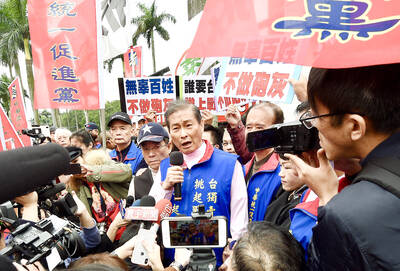
There are shadowy cabals plotting to sell out Taiwan to be annexed by China, by invasion if necessary. Fortunately, they are buffoons. In 2019, former Bamboo Union gangster and founder of the China Unification Promotion Party (CUPP), Chang An-le (張安樂, colorfully known as “White Wolf”), led a protest at the Legislative Yuan against comments made by then-premier Su Tseng-chang (蘇貞昌) that in the event of an attack by China, he would never surrender, but would protect the nation by fighting to the end, even if he only had a broom. Chang had party members bring a wooden casket that they

Taiwan’s drone exports are taking off, fuelled by the war in Ukraine, as Taiwanese companies seek a stake in the fast-growing global market for unmanned aerial vehicles (UAV). Low-cost drones used for reconnaissance and strikes are in high demand as governments around the world boost defense spending in the face of intensifying conflicts. A relative new player in the increasingly competitive industry, Taiwan’s pitch is to be an “Asian hub” for the production of UAVs and components free of Chinese materials, or “non-red.” That means its UAVs can be up to three times more expensive than their Chinese competitors, like the world’s biggest
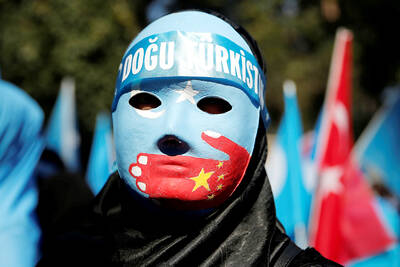
It seems every few days one bumps into one of those “real man” comments in which Taiwan is urged to “face reality” or similar, and “make a deal,” with the speaker implying that soon it will be too late. “Deal” advocates always present themselves as having a superior grip on reality, and the manly ability to make the “hard choice.” Their testosterone-laden language often echoes that of Taiwan sellout advocates. Note that such commentary always specifies a process (“make a deal, work with, make progress”), never the end state of what occupation by a violent authoritarian colonialist state will entail. In


 RSS
RSS