


Pancake Day takes its namesake dish very seriously. It is possible to get old-fashioned pancake stacks topped with butter and syrup at the three-month-old restaurant near Shida night market, but it specializes in covering its signature confection with a rainbow of syrup, fruit, and vanilla or chocolate ice cream.
Bite-sized dollar pancakes (NT$150), for example, are heaped with raspberry and caramel syrup, diced honeydew, peach and banana, dried blueberries and a scoop of vanilla ice cream, and dusted with a liberal coating of powdered sugar. Surprisingly enough, the combination of ingredients was not overwhelmingly sweet, and the warm, fluffy pancakes tasted especially good when used to soak up the syrup and melting ice cream. Other flavor combinations include fruit caramel (NT$130), fruit chocolate (NT$130), banana caramel (NT$130) and cinnamon apple (NT$140). The restaurant has already attracted a clientele of devoted sweet tooths. On each of my trips there, I witnessed diners pulling out their cameras or cell phones and taking multiple snapshots of their pancakes.
Pancake Day offers a less exciting but decidedly more wholesome savory menu. On a recent visit, my companion ordered a chili con carne burrito (NT$180), but discovered on his first bite that the staff had mistakenly given him the roast chicken version instead (a lapse in what was otherwise a competent and friendly service). The burrito was unexpectedly light, especially compared to the extravagance of Pancake Day’s breakfast options. The thin, toasted white flour wrap was stuffed with cilantro and cucumber in addition to the meat and served with delicious fresh oven-roasted steak fries.
Pancake Day’s menu lists a couple of salads under its “savory pancakes” heading. Not, fortunately, salad-topped pancakes, but salads served with savory buttermilk pancakes on the side, as if they were taking the place of dinner rolls. The roast chicken salad with Japanese dressing was plain old iceberg lettuce, but a heap of watercress on top and the extremely piquant mustard-based dressing added an unexpectedly nostril-searing, tear-inducing kick to the dish. A heartier alternative to the burritos and salads is the beef cheeseburger (NT$200).
On weekends before 6pm, Pancake Day serves a brunch that consists of two fat buttermilk pancakes, eggs, fries, a button mushroom salad in a light vinaigrette sauce and a choice of bacon, ham or “American-style” sausage. I ordered the latter and was presented with three giant links that more closely resembled hot dogs than the smaller sausage usually served with American breakfasts. They tasted better than hot dogs, though — the skin was taut and the meat inside was very salty and juicy. The mushrooms seemed a bit out of place, but served as a welcome counterpoint to all the carbohydrates and eggs.
The restaurant’s decor is sparse but cheerful, with birds painted in glossy white paint on bright yellow walls. The interior is outshone, however, by Pancake Day’s outdoor dining area, which is large enough for three tables, surrounded by potted plants and sheltered from the elements by a roof. The outdoor seating is unusual in the neighborhood and a great place to take advantage of natural light for photographers who want to indulge in some pancake portraiture.

Taiwan’s English education system is being pulled apart by three opposing forces. Bilingual Nation 2030 pulls students toward English and global communication. Artificial Intelligence (AI) readiness pulls them toward digital judgment, verification and AI-mediated work. But Taiwan’s old exam culture pulls them back toward memorization, grammar drills, timed reading and correct answers. If the education system keeps using old exams to define success, it risks producing graduates who are neither genuinely bilingual nor genuinely AI-ready, but trained for tasks machines can already perform. The first force is Bilingual Nation 2030. Launched in 2018, the policy aimed to “help Taiwan’s workforce connect
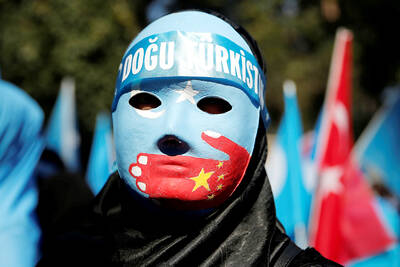
It seems every few days one bumps into one of those “real man” comments in which Taiwan is urged to “face reality” or similar, and “make a deal,” with the speaker implying that soon it will be too late. “Deal” advocates always present themselves as having a superior grip on reality, and the manly ability to make the “hard choice.” Their testosterone-laden language often echoes that of Taiwan sellout advocates. Note that such commentary always specifies a process (“make a deal, work with, make progress”), never the end state of what occupation by a violent authoritarian colonialist state will entail. In
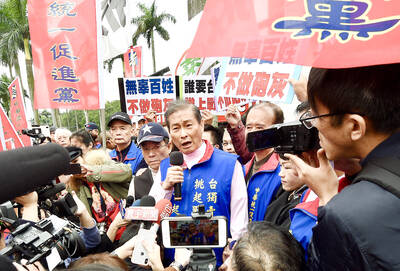
There are shadowy cabals plotting to sell out Taiwan to be annexed by China, by invasion if necessary. Fortunately, they are buffoons. In 2019, former Bamboo Union gangster and founder of the China Unification Promotion Party (CUPP), Chang An-le (張安樂, colorfully known as “White Wolf”), led a protest at the Legislative Yuan against comments made by then-premier Su Tseng-chang (蘇貞昌) that in the event of an attack by China, he would never surrender, but would protect the nation by fighting to the end, even if he only had a broom. Chang had party members bring a wooden casket that they
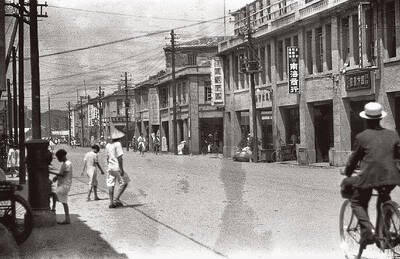
June 1 to June 7 "If all Taiwanese were as afraid of dying as you, then what would happen?” Physician Shih Chiang-nan (施江南) reportedly said this to his wife Chen Chiao-tung (陳焦桐) after she urged him to stop intervening on behalf of Taiwanese soldiers stranded overseas after serving in the Japanese Army during World War II. Shih had clashed with high-ranking officials over the issue, engaged in several heated arguments with Taiwan governor-general Chen Yi (陳儀) and allegedly shouted at general Ko Yuan-fen (柯遠芬), chief of staff of the Taiwan Garrison Command, over


 RSS
RSS