


Taiwan Power Co (Taipower, 台電) is to cut electricity rates by an average of 9.56 percent, or NT$0.2693 (US$0.08) per kilowatt-hour (kWh), to reflect lower power generation costs due to continued falling international crude oil prices.
The price cuts are the biggest in the nation’s history, according to Taipower’s data.
“Given low global crude oil prices, the electricity review committee said that there is room for Taipower to lower its average electricity rates,” Vice Minister of Economic Affairs Shen Jong-chin (沈榮津) told a press conference in Taipei.
The committee yesterday said that Taipower should lower average electricity rates from NT$2.8181 to NT$2.5488 per kilowatt-hour effective April 1, Shen said.
Bureau of Energy Director-General Lin Chuan-neng (林全能), a member of the committee, said the scale of the price cut was calculated based on the forecast average cost of US$40.15 per barrel for crude oil in the next six months compared with US$51 per barrel in October last year.
According to the new pricing scheme, about 4 million households using 330kWh or less per month would see their electricity bills drop by NT$80 per month, Taipower said.
Smaller-scale restaurants and shops that use 1,480kWh per month could see price reductions of NT$517, while large department stores with 9,600kWh electricity usage would see electricity bills cut by NT$3,378 per month, the state-run utility said.
As for industrial users that use about 1,500kWh, they are expected to see an average price reduction of nearly NT$400,000 per month, Taipower said.
After the price adjustments, the average electricity rate of NT$2.5488 per kilowatt-hour will be cheaper than the NT$2.6001 per kilowatt-hour recorded in 2011, the company said.
Lin said that the nation’s electricity prices for households are the third cheapest in the world, while the industrial electricity rates are the fourth lowest worldwide.
Also at the meeting, the committee agreed to set up an account to deposit NT$34 billion from Taipower’s profits last year.
The company made NT$61.8 billion last year, exceeding the electricity pricing formula’s “reasonable profit” by NT$34 billion, it said.
Lin said 14 out of the 17 committee members proposed setting up a special account for the funds to allow Taipower to absorb increases in power generation costs without having to raise electricity rates.
The committee is set to discuss the details of the plan in June, Lin added.

Taiwan Semiconductor Manufacturing Co (TSMC, 台積電) has approved a capital budget of US$31.28 billion for production expansion to meet long-term development needs during the artificial intelligence (AI) boom. The company’s board meeting yesterday approved the capital appropriation plan for purposes such as the installation of advanced technology capacity and fab construction, the world’s largest contract chipmaker said in a statement. At an earnings conference last month, TSMC forecast that its capital expenditure for this year would be at the higher end of the US$52 billion to US$56 billion range it forecast in January in response to robust demand for 5G, AI and
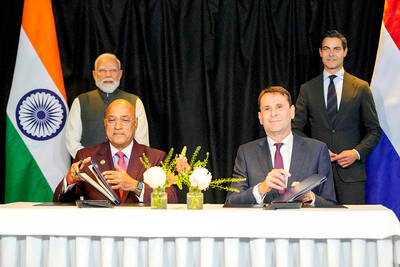
NEW MARKET: The partnership opens up India to the Dutch company, which already has a strong hold in the semiconductor market of South Korea, Taiwan and China ASML Holding NV entered into a partnership agreement with Tata Electronics Pvt Ltd aimed at ramping up India’s goal to develop domestic chip-manufacturing capabilities. The Dutch company’s technology would help power Tata Electronics’ planned 300 millimeter (mm) semiconductor foundry in Gujarat, according to a joint statement from the two companies on Saturday. The signing of a memorandum of understanding coincides with a visit by Indian Prime Minister Narendra Modi to the Netherlands, which is looking to deepen bilateral relations with New Delhi. ASML, whose top customers include Taiwan Semiconductor Manufacturing Co (台積電) and Samsung Electronics Co, makes lithography machines that can print
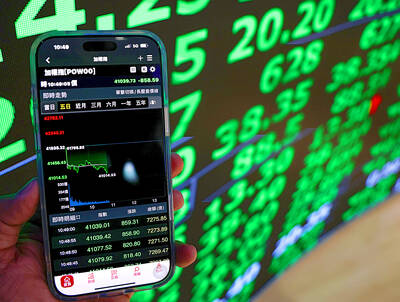
PORTFOLIO REBALANCING: The adjustments in three global equity indices reflect rising investor appetite for semiconductor and artificial intelligence-related stocks Taiwan’s weighting in major global equity indices compiled by MSCI Inc is to rise modestly following the latest quarterly review, underscoring the market’s expanding role in emerging-market portfolios, as global investors continue to favor the nation’s technology sector. Taiwan’s weighting in the MSCI Emerging Markets Index is to increase by 0.30 percentage points to 23.76 percent, after the changes take effect at the close of the May 29 session. Its weighting in the MSCI All-Country Asia ex-Japan Index is to rise 0.37 percentage points to 27.16 percent, while that in the MSCI All Country World Index is to edge up slightly to
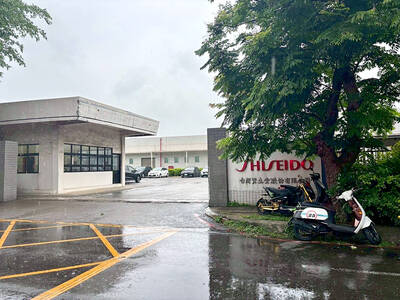
The Hsinchu County Government’s Labor Affairs Department yesterday said that it has received a plan from cosmetics brand Taiwan Shiseido Co (台灣資生堂) detailing mass layoffs at its plant in Hukou Township (湖口). While the labor authorities did not disclose the number of employees to be laid off, Japanese news media earlier in the day reported that the closure of the company’s factory in Hukou would result in 170 employees losing their jobs. Shiseido followed the law by reporting its layoff plan, the department said, adding that authorities would closely monitor negotiations between the management and affected employees and step in if any


 RSS
RSS