


Sony is getting into the virtual reality business.
The Japanese electronics and gaming giant unveiled a prototype virtual reality headset to be used in conjunction with its PlayStation 4 video game console during a talk on Tuesday at the Game Developers Conference in San Francisco.
Sony Computer Entertainment Worldwide Studios president Shuhei Yoshida showed off the slick black-and-white headset at the annual gathering of game designers.
He said that Sony has been working on the technology for more than three years.
The adjustable device is codenamed Project Morpheus and features a head-mounted display with 1080p resolution and a 90-degree field of view. Sensors built into the headset can track a wearer’s head movement in concert with a PS4 camera.
Project Morpheus software engineer Anton Mikhailov said the current version of the technology must be attached to a PS4 console with a cord that is about 4.5m long, and users’ virtual perspectives can be simultaneously broadcast on a television screen.
“The experience can be shared, and that’s only going to allow it to spread,” Mikhailov said.
Mikhailov said users will be able to interact with the virtual world displayed on the headset with the gesture-detecting PlayStation Move controller, as well as the standard DualShock 4.
He declined to specify when the headset would be released or how much it would cost.
Project Morpheus was available for demonstration beginning yesterday for conference attendees on the conference’s expo floor with four games: diving cage simulator The Deep, combat game The Castle, sci-fi dogfighter EVE: Valkyrie and a VR rendition of the action-adventure title Thief.
While Sony Corp has released other head-mounted display units, Project Morpheus marks the company’s first foray into VR with PlayStation.
Sony’s headset is similar to the Oculus Rift, a VR device currently in development by the Irvine, California-based startup Oculus VR.
Both devices use head tracking to reduce queasiness when users peek around a virtual landscape, and they look more like ski googles than the bulky gaming helmets of the 1990s that usually left users with headaches.
Shares of contract chipmaker Taiwan Semiconductor Manufacturing Co (TSMC, 台積電) came under pressure yesterday after a report that Apple Inc is looking to shift some orders from the Taiwanese company to Intel Corp. TSMC shares fell NT$55, or 2.4 percent, to close at NT$2,235 on the local main board, Taiwan Stock Exchange data showed. Despite the losses, TSMC is expected to continue to benefit from sound fundamentals, as it maintains a lead over its peers in high-end process development, analysts said. “The selling was a knee-jerk reaction to an Intel-Apple report over the weekend,” Mega International Investment Services Corp (兆豐國際投顧) analyst Alex Huang
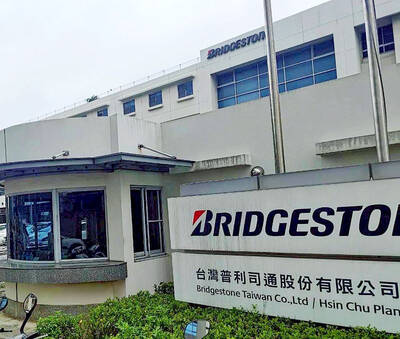
TRANSITION: With the closure, the company would reorganize its Taiwanese unit to a sales and service-focused model, Bridgestone said Bridgestone Corp yesterday announced it would cease manufacturing operations at its tire plant in Hsinchu County’s Hukou Township (湖口), affecting more than 500 workers. Bridgestone Taiwan Co (台灣普利司通) said in a statement that the decision was based on the Tokyo-based tire maker’s adjustments to its global operational strategy and long-term market development considerations. The Taiwanese unit would be reorganized as part of the closure, effective yesterday, and all related production activities would be concluded, the statement said. Under the plan, Bridgestone would continue to deepen its presence in the Taiwanese market, while transitioning to a sales and service-focused business model, it added. The Hsinchu
Taiwan Semiconductor Manufacturing Co (TSMC, 台積電) has approved a capital budget of US$31.28 billion for production expansion to meet long-term development needs during the artificial intelligence (AI) boom. The company’s board meeting yesterday approved the capital appropriation plan for purposes such as the installation of advanced technology capacity and fab construction, the world’s largest contract chipmaker said in a statement. At an earnings conference last month, TSMC forecast that its capital expenditure for this year would be at the higher end of the US$52 billion to US$56 billion range it forecast in January in response to robust demand for 5G, AI and
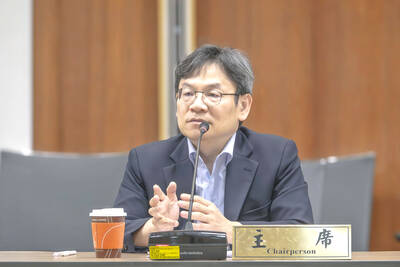
Taiwan Semiconductor Manufacturing Co’s (TSMC, 台積電) investment project in Arizona has progressed better than expected, but it still faces challenges such as water and labor shortages, National Development Council (NDC) Minister Yeh Chun-hsien (葉俊顯) said yesterday. Speaking with reporters after visiting TSMC’s Arizona hub and attending the SelectUSA Investment Summit in Maryland last week, Yeh said TSMC’s Arizona site turned a profit of NT$16.14 billion (US$514 million) last year in its first full year of mass production. “TSMC told me it was surprised by the smooth trial run of the first fab, which has left the company optimistic about the project’s outlook,”


 RSS
RSS