


The Cuban government has refused a request by the US Embassy in Havana to allow it to import diesel for its generators while Washington continues to impose a fuel blockade on the island, two US officials familiar with the matter said on Friday.
Cuba turned down the request as the US Department of State has been weighing a reduction in staffing at the embassy in Havana because of the lack of diesel. Such a move would likely lead to a US demand for a similar reduction in staffing at the Cuban embassy in Washington, said the officials, who spoke on condition of anonymity.
Cuba has struggled with dwindling oil since the US removed Venezuela’s leader, halting critical petroleum shipments from the nation that had been a steadfast ally to Havana. US President Donald Trump then threatened tariffs on any country selling or supplying Cuba with oil.
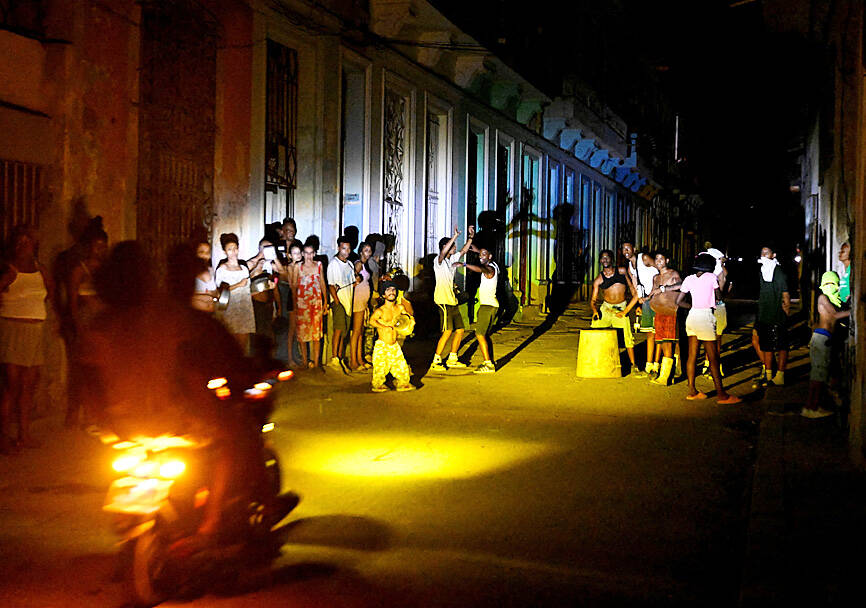
Photo: Reuters
The island is relying on its own natural gas, solar power and oil to run thermoelectric plants, but that has not been enough to meet demand.
Many of the nation’s 11 million residents struggle to keep food from spoiling. Hospitals have canceled surgeries. The leading university has reduced classes due to the power outages and transportation shutdowns.
The standoff on diesel comes as Trump has been pressing for a dramatic change in the government led by Cuban President Miguel Diaz-Canel. Trump and US Secretary of State Marco Rubio have also said they see the island nation as the next country where the US could expand its influence.
They are demanding, in part, that Cuba release political prisoners, and move toward political and economic liberalization in return for a lifting of sanctions.
The Trump administration is looking for Diaz-Canel to leave his position, the Associated Press previously reported. No detail has been offered about who the administration might like to see come to power.
Trump has for months suggested Cuba’s government is on the verge of collapse. After its electric grid collapsed earlier this week, spurring an island-wide blackout, Trump told reporters he believed he would soon have “the honor of taking Cuba.”
“Taking Cuba in some form ... whether I free it, take it, I think I can do anything I want with it, if you want to know the truth,” Trump said. “They’re a very weakened nation right now.”
Trump has suggested that top Cuban leaders would be smart to avoid the fate of former Venezuelan president Nicolas Maduro, who was ousted in a US military operation in January and whisked to New York to face federal drug conspiracy charges.
Any potential staffing reduction at the embassy is not expected to come immediately, because the Us believes it has enough diesel in reserve to last for another month, one official said.
There are limited options to tap into fuel reserves in Cuba, which are tightly controlled by the government.
For example, one of the officials said the Spanish embassy in Havana has a significant excess of fuel and had offered it to other European embassies facing similar shortages, only to be denied permission to do so by Cuban authorities.
The Spanish embassy’s reserves were boosted by the previous importation of diesel meant for Spanish-owned hotels on the island. Most, if not all, of those hotels are currently closed due to a lack of tourists visiting Cuba.
Diaz-Canel said Cuba has held talks with the US government.
It marked the first time the Caribbean country had confirmed widespread speculation about discussions with the Trump administration in the midst of the latter’s pressure campaign.
Humanitarian organizations on Friday began delivering aid to Cuba by air, including solar panels, food and medicine.
Cuba is also preparing to receive a shipment of Russian oil later this month, which would be its first shipment in the past three months.
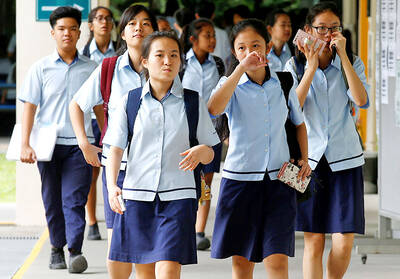
School bullies in Singapore are to face caning under new guidelines, but the education minister on Tuesday said it would be meted out only as a last resort with strict safeguards. Human rights groups regularly criticize Singapore for the use of corporal punishment, which remains part of the school and criminal justice systems, but authorities have defended it as a deterrent to crime and serious misconduct. Caning was discussed in the parliament after legislators asked how it would be used in relation to bullying in schools. The debate followed stricter guidelines on serious student misconduct, including bullying, unveiled by the Singaporean Ministry of
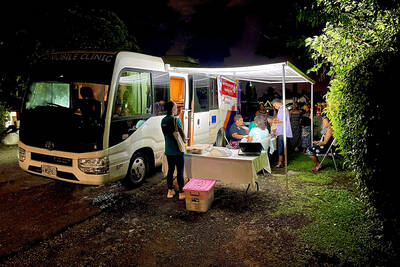
As evening falls in Fiji’s capital, a steady stream of people approaches a makeshift clinic that is a first line of defense against one of the world’s fastest-growing HIV epidemics. In the South Pacific nation — a popular tourist destination of just under a million people — more than 2,000 new HIV cases were recorded last year, a 26 percent increase from 2024. The government has declared an HIV outbreak and described it as a national crisis. “It’s spreading like wildfire,” said Siteri Dinawai, 46, who came to be tested. The Moonlight Clinic, a converted minibus parked in a suburban cul-de-sac in Suva, is
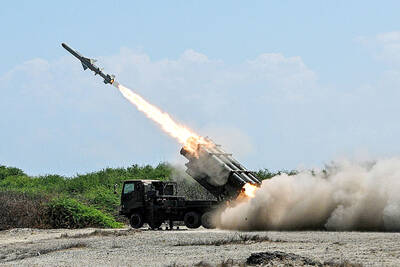
A MESSAGE: Japan’s participation in the Balikatan drills is a clear deterrence signal to China not to attack Taiwan while the US is busy in the Middle East, an analyst said The Japan Self-Defense Forces yesterday fired a Type 88 anti-ship missile during a joint maritime exercise with US, Australian and Philippine forces, hitting a decommissioned Philippine Navy ship in waters facing the disputed South China Sea, in drills that underscore Tokyo’s rising willingness to project military power on China’s doorstep. The drill took place as Manila and Tokyo began talks on a potential defense equipment transfer, made possible by Japan’s decision to scrap restrictions on military exports. The discussions include the possible early transfer of Abukuma-class destroyers and TC-90 aircraft to the Philippines, Japanese Minister of Defense Shinjiro Koizumi said. Philippine Secretary of
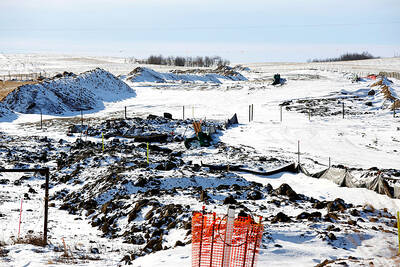
Separatists in Alberta are preparing to submit a petition tomorrow that they said has enough signatures to force a referendum on independence for the oil-rich Canadian province. Polls indicate the pro-independence camp remains a minority among Alberta’s 5 million people, but has hit a historic high of roughly 30 percent. Alberta separatists are also closer than ever to forcing a referendum, riding momentum fueled by intensifying grievances over Ottawa’s control of the provincial oil industry. They have also undeniably gotten a boost from the return to power of US President Donald Trump. After launching a petition in January, Stay Free Alberta, the group


 RSS
RSS