


Two drug-smuggling tunnels outfitted with lighting and ventilation systems were discovered along the US-Mexico border, the latest signs that cartels are building sophisticated passages to escape heightened surveillance on land.
Both tunnels were at least 150m long. One began under a bathroom sink inside a warehouse in Tijuana, but was unfinished and did not cross the border into San Diego. The Mexican army found the tunnel on Wednesday.
The other was completed and discovered on Saturday in a vacant strip mall storefront in the southwestern Arizona city of San Luis. It showed a level of sophistication not typically associated with other crude smuggling passageways that tie into storm drains in the state.
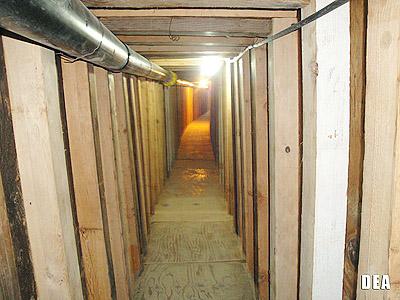
Photo: Reuters
“When you see what is there and the way they designed it, it wasn’t something that your average miner could put together,” said Douglas Coleman, special agent in charge of the Phoenix division of the Drug Enforcement Administration. “You would need someone with some engineering expertise to put something together like this.”
As US authorities heighten enforcement on land, tunnels have become an increasingly common way to smuggle enormous loads of heroin, marijuana and other drugs into the country. More than 70 passages have been found on the border since October 2008, surpassing the number of discoveries in the previous six years.
A total of 156 secret tunnels have been found along the border since 1990, the vast majority of them incomplete.
The latest Arizona tunnel was discovered after state police pulled over a man who had 17.7kg of methamphetamine in his vehicle and mentioned the strip mall.
The tunnel was found beneath a water tank in a storage room and stretched across the border to an ice-plant business in the Mexican city of San Luis Rio Colorado. It was reinforced with four-by-six beams and lined with plywood.
Investigators believe the tunnel was not in operation for long because there was little wear on its floor.
Coleman said investigators cannot yet say for sure if the tunnel, estimated to cost US$1.5 million to build, was operated by the powerful Sinaloa cartel. Still, authorities suspect cartel involvement because the group from Sinaloa controls smuggling routes into Arizona.
“Another cartel wasn’t going to roll into that area and put down that kind of money in Sinaloa territory,” Coleman said.

School bullies in Singapore are to face caning under new guidelines, but the education minister on Tuesday said it would be meted out only as a last resort with strict safeguards. Human rights groups regularly criticize Singapore for the use of corporal punishment, which remains part of the school and criminal justice systems, but authorities have defended it as a deterrent to crime and serious misconduct. Caning was discussed in the parliament after legislators asked how it would be used in relation to bullying in schools. The debate followed stricter guidelines on serious student misconduct, including bullying, unveiled by the Singaporean Ministry of
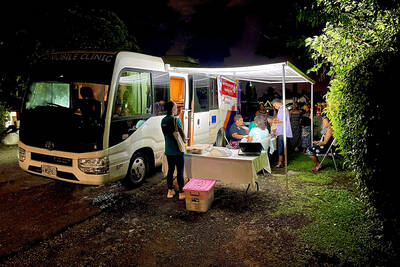
As evening falls in Fiji’s capital, a steady stream of people approaches a makeshift clinic that is a first line of defense against one of the world’s fastest-growing HIV epidemics. In the South Pacific nation — a popular tourist destination of just under a million people — more than 2,000 new HIV cases were recorded last year, a 26 percent increase from 2024. The government has declared an HIV outbreak and described it as a national crisis. “It’s spreading like wildfire,” said Siteri Dinawai, 46, who came to be tested. The Moonlight Clinic, a converted minibus parked in a suburban cul-de-sac in Suva, is
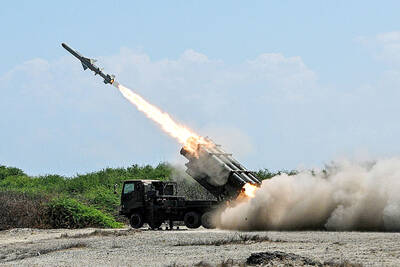
A MESSAGE: Japan’s participation in the Balikatan drills is a clear deterrence signal to China not to attack Taiwan while the US is busy in the Middle East, an analyst said The Japan Self-Defense Forces yesterday fired a Type 88 anti-ship missile during a joint maritime exercise with US, Australian and Philippine forces, hitting a decommissioned Philippine Navy ship in waters facing the disputed South China Sea, in drills that underscore Tokyo’s rising willingness to project military power on China’s doorstep. The drill took place as Manila and Tokyo began talks on a potential defense equipment transfer, made possible by Japan’s decision to scrap restrictions on military exports. The discussions include the possible early transfer of Abukuma-class destroyers and TC-90 aircraft to the Philippines, Japanese Minister of Defense Shinjiro Koizumi said. Philippine Secretary of
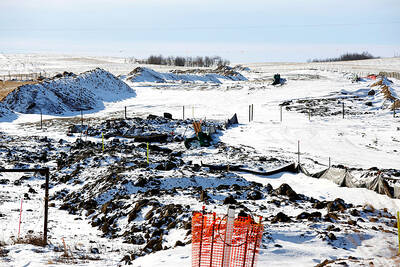
Separatists in Alberta are preparing to submit a petition tomorrow that they said has enough signatures to force a referendum on independence for the oil-rich Canadian province. Polls indicate the pro-independence camp remains a minority among Alberta’s 5 million people, but has hit a historic high of roughly 30 percent. Alberta separatists are also closer than ever to forcing a referendum, riding momentum fueled by intensifying grievances over Ottawa’s control of the provincial oil industry. They have also undeniably gotten a boost from the return to power of US President Donald Trump. After launching a petition in January, Stay Free Alberta, the group


 RSS
RSS