


Taiwanese snack company Hyfoods on Monday said it has halted shipments of a new bak kut teh-flavored potato chip, after its packaging sparked backlash in Malaysia for imagery criticized as insensitive to Malay religion and culture.
Hyfoods’ Potato Chips (波的多) brand launched three new flavors earlier this month, drawing attention from fans while also sparking backlash from many Malaysians on social media.
The controversy centered on the packaging for the new bak kut teh flavor, with critics saying that if the product were sold in Malaysia, it would provoke widespread outrage.
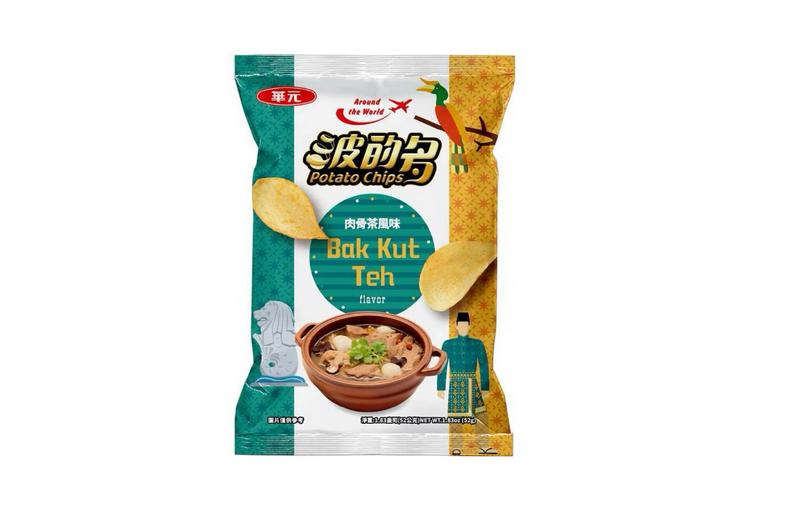
Photo from Threads
Bak kut teh is a popular Southeast Asian pork rib soup commonly associated with Malaysia and Singapore.
One Malaysian woman criticized the packaging, saying the overall design felt like a bizarre mash-up of cultural elements.
Most ethnic Malays are Muslim and do not eat pork, yet the packaging shows a traditionally dressed Malay figure next to a bak kut teh dish, she said, accusing the designers of not understanding halal dietary rules.
The packaging also shows coriander in the soup, which many Malaysian people would never include, she said.
In addition, the packaging shows the iconic Singapore Merlion, she said.
While both Malaysia and Singapore are known for the dish, the two countries’ cooking styles and flavors differ significantly, she said, adding that different countries’ food cultures should not be conflated.
Hyfoods responded less than an hour after the post appeared, saying it had already received similar feedback last week and halted shipments of the flavor.
The company has already discarded remaining packs, Hyfoods said, pledging to improve cultural sensitivity and accuracy in future designs.
Seeing the company handle the issue quickly, the original poster and other Malaysians online thanked Hyfoods for respecting bak kut teh, and expressed hope that the flavor would be relaunched with different packaging.
Some Singaporean users suggested that the company specify which country’s version of bak kut teh is being used to avoid further misunderstandings.

Yangmingshan National Park authorities yesterday urged visitors to respect public spaces and obey the law after a couple was caught on a camera livestream having sex at the park’s Qingtiangang (擎天崗) earlier in the day. The Shilin Police Precinct in Taipei said it has identified a suspect and his vehicle registration number, and would summon him for questioning. The case would be handled in accordance with public indecency charges, it added. The couple entered the park at about 11pm on Thursday and began fooling around by 1am yesterday, the police said, adding that the two were unaware of the park’s all-day live

Yangmingshan National Park’s Qingtiangang (擎天崗) nature area has gone viral after a park livestream camera observed a couple in the throes of intimate congress, which was broadcast live on YouTube, drawing large late-night crowds and sparking a backlash over noise, bright lights and disruption to wildlife habitat. The area’s livestream footage appeared to show a couple engaging in sexual activity on a picnic table in the park on Friday last week, with the uncensored footage streamed publicly online. The footage quickly spread across social media, prompting a tide of visitors to travel to the site to “check in” and recreate the
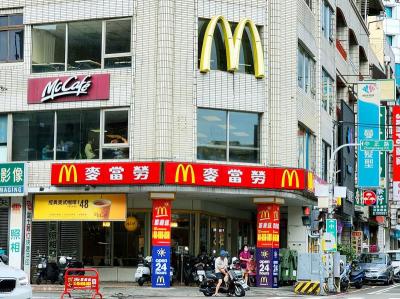
Fast food chain McDonald's is to raise prices by up to NT$5 on some products at its restaurants across Taiwan, starting on Wednesday next week, the company announced today. The prices of all extra value meals and sharing boxes are to increase by NT$5, while breakfast combos and creamy corn soup would go up by NT$3, the company said in a statement. The price of the main items of those meals, if ordered individually, would remain the same. Meanwhile, the price of a medium-sized lemon iced tea and hot cappuccino would rise by NT$3, extra dipping sauces for chicken nuggets would go up

Minister of Digital Affairs Lin Yi-ching (林宜敬) yesterday cited regulatory issues and national security concerns as an expert said that Taiwan is among the few Asian regions without Starlink. Lin made the remarks on Facebook after funP Innovation Group chief executive officer Nathan Chiu (邱繼弘) on Friday said Taiwan and four other countries in Asia — China, North Korea, Afghanistan and Syria — have no access to Starlink. Starlink has become available in 166 countries worldwide, including Ukraine, Malaysia, the Philippines and Vietnam, in the six years since it became commercial, he said. While China and North Korea block Starlink, Syria is not


 RSS
RSS