


The Ministry of Health and Welfare yesterday announced that eligible National Pension Program participants would begin receiving their pension upon turning 65, with no need to apply.
The announcement came in the wake of a case disclosed by a social media user about an elderly family member who had paid into the program throughout their life but died shortly after turning 65.
When the family later applied for the pension, funeral benefits and survivors’ pension, the application was rejected, they said.
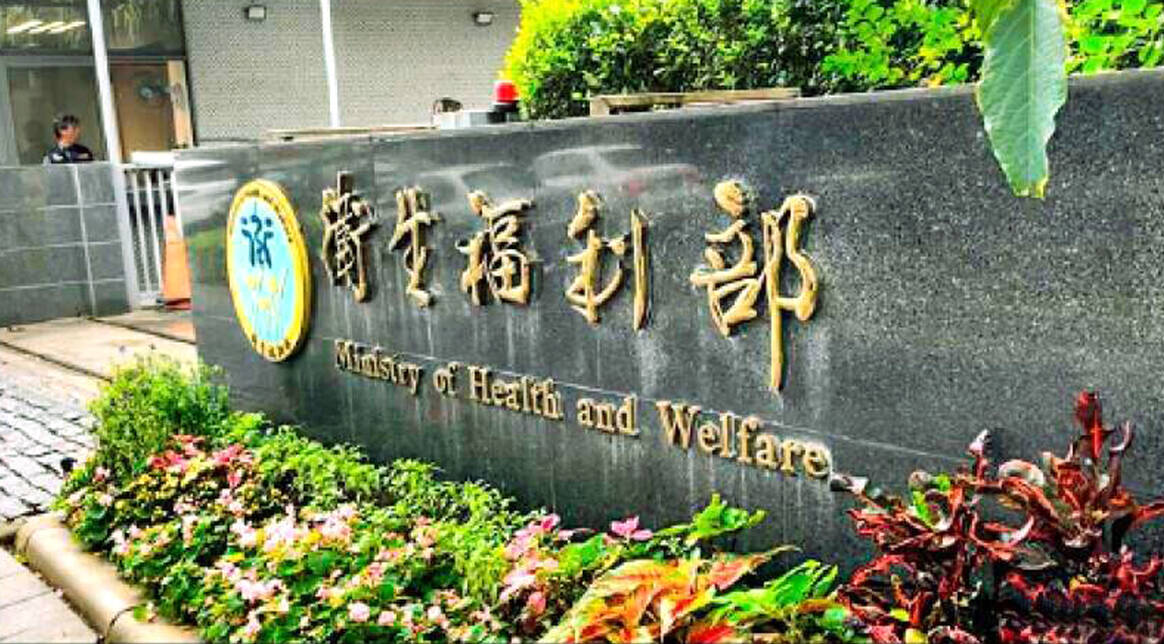
Photo: CNA
The case sparked criticism of the pension system, with some questioning whether “paying in guarantees you will actually receive benefits,” and reignited debates over the fairness of the program.
Department of Social Insurance Director-General Chang Yu-hsuan (張鈺旋) said yesterday that after a review, the rules for applying for the pension would be relaxed.
Effective immediately, anyone who turns 65 and has no outstanding national pension contributions would no longer need to apply, she said, adding that the Bureau of Labor Insurance would automatically review eligibility and issue the pension to those who qualify.
Chang said the case involves three different types of benefits, — pension, funeral subsidies and survivors’ pension — and is not a matter of “paying in, but receiving nothing.”
Under current regulations, for funeral subsidies, if the insured person dies after turning 65, they are no longer within the active coverage period and therefore do not qualify for the benefit, she said.
The survivors’ pension is designed to support family members who were dependent on the insured person and are economically vulnerable, she said.
There are restrictions based on age, work capacity and income, she said, adding that if there are no eligible dependents, the benefit cannot be claimed.
The ministry said that, considering the application requirements for the National Pension Program are straightforward — anyone aged 65 or older with no outstanding contributions is theoretically already eligible — it has decided to change the approach.
Claims for survivor benefits and funeral subsidies still require submission of the necessary documents, it added.

Yangmingshan National Park authorities yesterday urged visitors to respect public spaces and obey the law after a couple was caught on a camera livestream having sex at the park’s Qingtiangang (擎天崗) earlier in the day. The Shilin Police Precinct in Taipei said it has identified a suspect and his vehicle registration number, and would summon him for questioning. The case would be handled in accordance with public indecency charges, it added. The couple entered the park at about 11pm on Thursday and began fooling around by 1am yesterday, the police said, adding that the two were unaware of the park’s all-day live

Yangmingshan National Park’s Qingtiangang (擎天崗) nature area has gone viral after a park livestream camera observed a couple in the throes of intimate congress, which was broadcast live on YouTube, drawing large late-night crowds and sparking a backlash over noise, bright lights and disruption to wildlife habitat. The area’s livestream footage appeared to show a couple engaging in sexual activity on a picnic table in the park on Friday last week, with the uncensored footage streamed publicly online. The footage quickly spread across social media, prompting a tide of visitors to travel to the site to “check in” and recreate the

Fast food chain McDonald's is to raise prices by up to NT$5 on some products at its restaurants across Taiwan, starting on Wednesday next week, the company announced today. The prices of all extra value meals and sharing boxes are to increase by NT$5, while breakfast combos and creamy corn soup would go up by NT$3, the company said in a statement. The price of the main items of those meals, if ordered individually, would remain the same. Meanwhile, the price of a medium-sized lemon iced tea and hot cappuccino would rise by NT$3, extra dipping sauces for chicken nuggets would go up

Minister of Digital Affairs Lin Yi-ching (林宜敬) yesterday cited regulatory issues and national security concerns as an expert said that Taiwan is among the few Asian regions without Starlink. Lin made the remarks on Facebook after funP Innovation Group chief executive officer Nathan Chiu (邱繼弘) on Friday said Taiwan and four other countries in Asia — China, North Korea, Afghanistan and Syria — have no access to Starlink. Starlink has become available in 166 countries worldwide, including Ukraine, Malaysia, the Philippines and Vietnam, in the six years since it became commercial, he said. While China and North Korea block Starlink, Syria is not


 RSS
RSS