


對話 Dialogue
清清:最近一直下雨,而且一下就是好幾天,應該是梅雨季到了吧?
Qīngqing: Zuìjìn yìzhí xiàyǔ, érqiě yí xià jiùshì hǎo jǐ tiān, yīnggāi shì méiyǔ jì dào le ba?
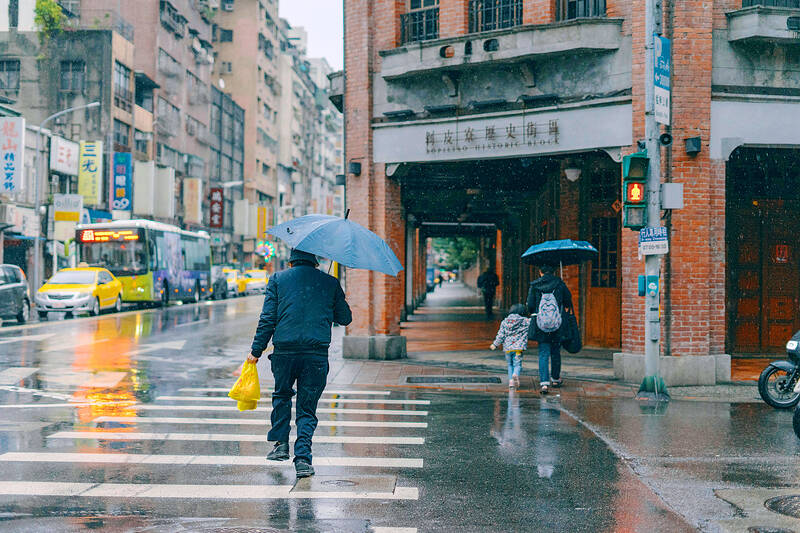
Photo: Unsplash 照片:Unsplash 提供
華華:對啊,這個時候天氣特別潮濕,衣服和鞋子都很難乾。
Huáhua: Duì a, zhège shíhou tiānqì tèbié cháoshī, yīfu hé xiézi dōu hěn nán gān.
清清:我每天出門都覺得很麻煩,還要一直帶傘。
Qīngqing: Wǒ měitiān chūmén dōu juéde hěn máfan, hái yào yìzhí dài sǎn.
華華:而且雨有時候很大,也可能造成水災或山坡地坍方。
Huáhua: Érqiě yǔ yǒu shíhou hěn dà, yě kěnéng zàochéng shuǐzāi huò shānpōdì tānfāng.
清清:原來梅雨不只是麻煩,還可能變成災害。
Qīngqing: Yuánlái méiyǔ bù zhǐshì máfan, hái kěnéng biàn chéng zāihài.
華華:對,不過梅雨對臺灣來說也很重要,是主要的水資源之一。
Huáhua: Duì, búguò méiyǔ duì Táiwān lái shuō yě hěn zhòngyào, shì zhǔyào de shuǐ zīyuán zhī yī.
清清:真的嗎?我還以為一直下雨只有壞處。
Qīngqing: Zhēn de ma? Wǒ hái yǐwéi yìzhí xiàyǔ zhǐyǒu huàichù.
華華:其實很多用水和農業灌溉,都很依賴這段時間的雨。
Huáhua: Qíshí hěn duō yòngshuǐ hé nóngyè guàngài, dōu hěn yīlài zhè duàn shíjiān de yǔ.
清清:這樣說起來,梅雨真的讓人又愛又恨。
Qīngqing: Zhèyàng shuō qǐlái, méiyǔ zhēn de ràng rén yòu ài yòu hèn.
翻譯 Translation
Qingqing: It’s been raining nonstop lately. It must be plum rain season, right?
Huahua: Yeah, the weather is especially humid this time of year, and it’s not easy to get clothes and shoes dry.
Qingqing: It’s really inconvenient to leave the house every day. I always have to bring an umbrella.
Huahua: And sometimes the rain is very heavy, which can even cause floods or landslides.
Qingqing: So the plum rain is not only troublesome—it can also turn into a disaster.
Huahua: Right, but it’s also a very important water resource for Taiwan.
Qingqing: Really? I hadn’t considered there was a bright side to constant rain.
Huahua: Actually, daily water use and farming both depend on this period of rain.
Qingqing: When you put it that way, people really have a love-hate relationship with the plum rains.
生詞 Vocabulary
1. 潮濕 (cháoshī) humid
2. 曬乾 (shài gān) dry (in the sun)
3. 麻煩 (máfan) troublesome; inconvenient
4. 造成 (zàochéng) to cause; to lead to
5. 水災 (shuǐzāi) flood
6. 坍方 (tānfāng) landslide
7. 災害 (zāihài) disaster
8. 資源 (zīyuán) resource
9. 依賴 (yīlài) to depend on
10. 農業 (nóngyè) agriculture
教材音檔 Audio Files
國立清華大學華語中心提供
By National Tsing Hua University Chinese Language Center:

Have you ever wondered how people navigate the world when they can’t see a map? For individuals with visual impairments, conventional maps are nearly impossible to use. This is where tactile maps come in — essential tools that allow people to “see” the world through touch. A tactile map is specially designed with raised lines, textures, and symbols to represent geographical features such as roads, rivers, and buildings. Users explore it with their fingertips. However, these maps are not exclusively for people with visual disabilities. They serve as valuable multisensory learning tools that enhance spatial understanding for everyone, making

Since 2005, the third Monday in January has come to be known as “Blue Monday.” In other words, that day is believed to be the most depressing day of the year. This concept seems logical at first. After all, Monday marks the start of the school or workweek after two days of rest and fun. Also, blue is a color that is often associated with sadness. Furthermore, in many parts of the world, January is a time when the weather is cold, rainy, and gloomy. But is there any scientific proof that this January day is truly sadder than any of

A: In early May, there were concerts by Icyball, Chyi Yu, Korea’s EXO and Japan’s Anisama, but I missed them all. What a shame. B: That’s OK. There are shows coming up by various artists, including Power Station, Accusefive, Japanese singer Mika Nakashima, Chinese-Icelandic jazzer Laufey, and even Singaporean diva Stefanie Sun. A: After a 12-year hiatus, Stefanie is finally returning to Taipei again. B: In late May, there will be more shows by Crowd Lu, WeiBird, Korea’s Donghae, 2AM, EXID, and Thailand’s BUS. A: The Thai boyband is so popular. It looks like “T-pop” is catching up with J-pop

Continued from yesterday(延續自昨日) https://www.taipeitimes.com/News/lang For the most part, the idea of “Blue Monday” has been rejected as a myth. Some mental health experts also say there is a danger in labeling a certain day as the most depressing time of the entire year. Some argue that if people expect to feel sadder on the third Monday in January, this belief alone may increase their anxiety. One group that is worried about the negative effect of believing in Blue Monday is Samaritans. A mental health charity based in the UK, Samaritans is working to turn Blue Monday into “Brew Monday.” In this


 RSS
RSS