


Many animals spend the winter in a deep, low-energy state known as “hibernation.” When food becomes scarce and cold conditions drain body heat, bats, hedgehogs, and some ground squirrels retreat to safe shelters. Their bodies slow down to save energy: heart rates drop, breathing becomes shallow, and body temperature falls.
Plenty of preparation goes into hibernation. Shorter days and falling temperatures provoke these animals to eat more and store fat, which sustains the brain and other organs. Inside the body, hormones guide this seasonal change, triggering specific behavior and switching the system to energy-saving mode.
Hibernation is not the only winter survival strategy, though. Reptiles like snakes enter brumation, remaining partially alert and occasionally emerging on warmer days to drink or bask. Unlike hibernators, they drastically reduce their metabolism rather than burn stored fat. Many birds and mammals use torpor—short-term energy conservation lasting hours or days. Hummingbirds, for example, drop their temperature each night before warming up quickly at dawn. These diverse adaptations illustrate how species have evolved unique solutions to endure periods of scarcity.
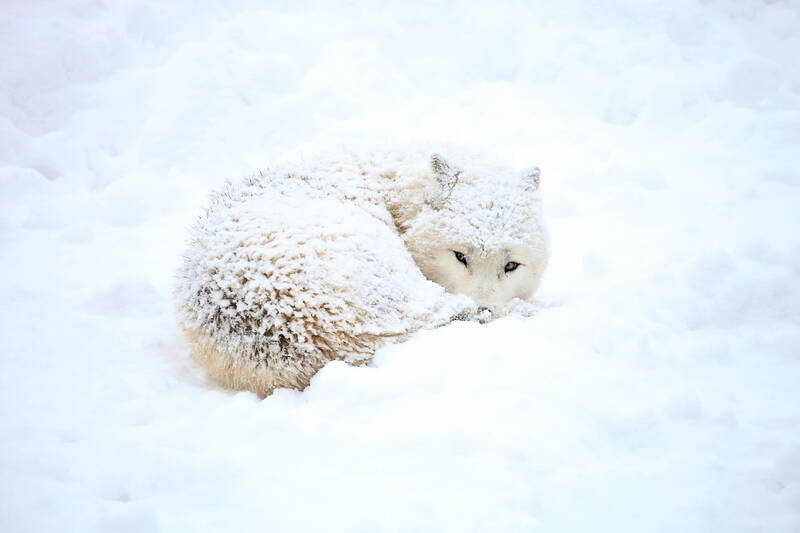
Photo: Freepik 照片:Freepik
Scientists are exploring how these natural strategies might benefit humans. In hospitals, controlled cooling during heart surgery or after cardiac arrest reduces the body’s oxygen demand and protects the brain. Researchers are also studying how hibernators maintain muscle strength and heal wounds, which could improve care for older or bedridden patients. One day, short-term “human hibernation” might protect trauma patients on the way to surgery, keep donated organs fresh for longer, or even make long-distance space travel safer for astronauts. By unlocking the secrets of winter survival, science could turn these animal adaptations into life-saving medical innovations.
許多動物在冬季會進入一種稱為「冬眠」的深度低能量狀態。當食物匱乏且寒冷環境消耗體熱時,蝙蝠、刺蝟以及某些地松鼠便會退回安全的棲身處。牠們的身體機能減緩以節省能量:心跳變慢、呼吸變淺、體溫下降。
為了冬眠,動物們會進行充分的準備。白天變短與氣溫下降會刺激牠們增加進食、囤積脂肪,以供給腦部及其他器官所需的能量。體內的荷爾蒙則引導這種季節性轉變,觸發特定行為並將身體系統切換至節能模式。
然而,冬眠並非唯一的越冬策略。像蛇這類爬蟲類動物會進入僵冷狀態,牠們保持部分清醒,偶爾會在暖和的日子出來飲水或曬太陽。與冬眠動物不同的是,牠們並非燃燒儲存的脂肪,而是大幅降低新陳代謝。許多鳥類與哺乳類則利用冬休——這是一種持續幾小時或幾天的節能狀態。例如蜂鳥會在夜晚降低體溫,清晨再迅速回暖。這些多樣的適應方式展現了不同物種為了度過匱乏時期所演化出的獨特生存解法。
科學家正研究這些自然策略可以如何造福人類。在醫院裡,心臟手術或心臟驟停後的控制性降溫可降低身體的氧氣需求,並保護腦部。研究人員也在探討冬眠動物如何維持肌肉力量並修復傷口,期望能改善老年人或長期臥床病患的照護。有朝一日,短期「人類冬眠」或許能在手術前保護創傷病患的生命、延長捐贈器官的保存時間,甚至讓長途太空旅行對太空人來說更安全。透過揭開動物越冬的祕密,科學有機會將這些適應機制轉化為拯救生命的醫療創新。
MORE INFORMATION
hibernation n. 冬眠
reptile n. 爬蟲類動物
brumation n. 眠
drastically adv. 劇烈地
metabolism n. 新陳代謝
torpor n. 蟄伏狀態
cardiac arrest ph. 心跳停止
bedridden adj. 臥床不起的
astronaut n. 太空人
KEY VOCABULARY
1. retreat vi. 退卻;撤退
The hikers decided to retreat down the mountain because of the sudden storm.
登山客因為突如其來的暴風雨,決定從山上撤退下來。
2. shelter n. 庇護(所);遮蔽(處)
After the earthquake, many people stayed in a temporary shelter provided by the local government.
地震後,許多人住在當地政府提供的臨時庇護所裡。
3. sustain vt. 供養;維持
The company made changes to sustain its business during difficult economic times.
那家公司在經濟困難時期做出改變,以維持營運。
4. mode n. 模式
You can switch the phone to silent mode during meetings to avoid disturbing others.
開會時可以把手機切換成靜音模式,以免打擾他人。
5. partially adv. 部分地;不完全地
The road was partially closed because of the fallen tree, but cars could still pass slowly.
那條路因為倒下的樹而部分封閉,但車輛仍可慢慢通過。
6. conservation n. 節約;保存
Water conservation is important in dry areas where every drop of water must be used wisely.
在乾燥地區,節約用水很重要,每一滴水都必須被妥善利用。
7. adaptation n. 適應
The team’s quick adaptation to the new software helped finish the project on time.
團隊對新軟體的快速適應幫助他們準時完成專案。
8. endure vt. 忍受;忍耐
The old bridge has endured many storms and still stands strong today.
這座老橋承受了許多次風暴,如今依然堅固地矗立著。
9. innovation n. 創新;新發明
Innovation is the key to creating new products that meet the changing needs of customers.
創新是創造新產品以滿足客戶不斷變化的需求的關鍵。
空中美語APP+︰全新AI學習,限時免費!(學習音檔) https://www.english4u.net/qr/app.html
文章由AMC空中美語授權使用: https://www.english4u.net

A: Harvard professor Robert Waldinger’s “7-day Happiness Challenge” includes: Day 1: Take stock of your relationships; Day 2: The secret power of an 8-minute phone call; Day 3: Small talk with strangers has big benefits. B: That’s not too hard. What’s next? A: Day 4: Why you should write a “living eulogy;” Day 5: The importance of making work friends; Day 6: Don’t cancel those social plans. B: Good ideas. What’s the final challenge? A: Day 7: Keep happiness going all year long. So, I’m inviting some friends to the Taipei Lantern Festival today to build good relationships. Wanna

★ 本文由生成式 AI 協作,本刊編輯編修。 For tourists looking for a scenic way to spend an afternoon in Kaohsiung, heading to the British Consular Residence of Takao is the perfect choice. Its elevated position allows one to take in the bustling Kaohsiung Harbor to the east and the dazzling sunset over Sizihwan Bay to the west. This elegant red-brick building also serves as a portal to the city’s rich history. Interestingly, for 70 years, many people mistakenly identified this residence as the actual consulate. The history of “Takao,” the former name of Kaohsiung, began its international chapter in the mid-19th century. As European powers

★ Bilingual Story is a fictionalized account. 雙語故事部分內容純屬虛構。 The fog came before the knock. It covered the street and pressed against the window. Chao Gung-dao lit a small oil lamp, but his makeshift hut stayed dim. Another knock. Chao opened the door. The inspector stepped inside and removed his hat. He did not smile. “You remember me?” the inspector said. Chao resented the question. The inspector looked around the small room. His eyes stopped on a wooden box resting on a low beam above Chao’s head. “What is that?” Chao stayed silent. The inspector pulled the box down and

★ 本文由生成式 AI 協作,本刊編輯編修。 Continued from yesterday(延續自昨日) https://www.taipeitimes.com/News/lang Kaohsiung’s deep connection with the sea continues to thrive, with Kaohsiung Harbor remaining a crucial hub for global shipping. In addition to the port, the city has emerged as a major player in another world-class maritime industry—yacht manufacturing, responsible for producing 80 percent of all Taiwan-made yachts. The yacht industry in Taiwan originated in the post-World War II era, when the US military presence in Taiwan provided local boat builders with guidance on making wooden yachts. The resulting craftsmanship was so exquisite that orders soon poured in. In 1977, Taiwan replaced Canada as the main yacht


 RSS
RSS