


對話 Dialogue
清清:下個星期公司要辦尾牙,你會去參加嗎?
Qīngqing: Xià gè xīngqī gōngsī yào bàn wěiyá, nǐ huì qù cānjiā ma?
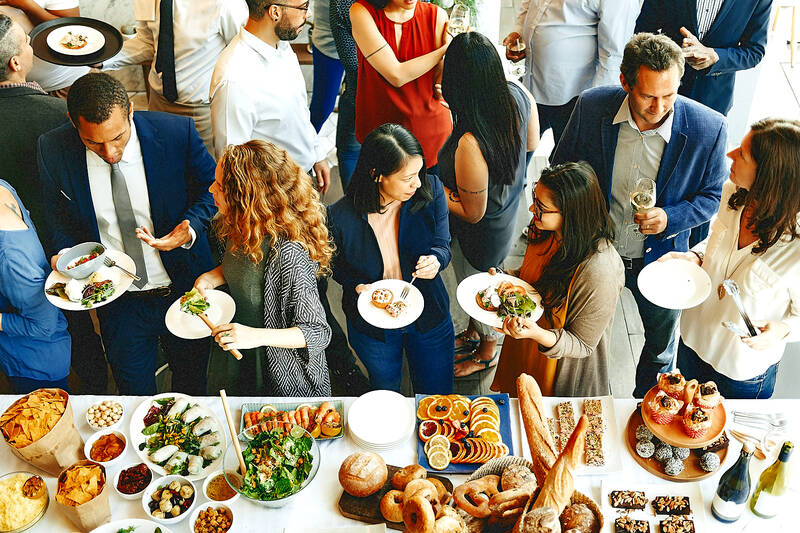
Photo: Unsplash 照片:Unsplash
華華:應該會吧。聽說今年會請大家吃一頓不錯的。
Huáhua: Yīnggāi huì ba. Tīng shuō jīnnián huì qǐng dàjiā chī yí dùn búcuò de.
清清:我第一次參加尾牙,有一點緊張,不知道要做什麼。
Qīngqing: Wǒ dì yī cì cānjiā wěiyá, yǒuyìdiǎn jǐnzhāng, bù zhīdào yào zuò shénme.
華華:不用擔心啦,尾牙主要就是吃飯、聊天,大家放鬆一下。
Huáhua: Búyòng dānxīn la, wěiyá zhǔyào jiù shì chīfàn, liáotiān, dàjiā fàngsōng yíxià.
清清:聽說尾牙還會抽獎,是真的嗎?
Qīngqing: Tīng shuō wěiyá hái huì chōujiǎng, shì zhēn de ma?
華華:對啊,有些公司獎品還不錯,所以很多人都很期待。
Huáhua: Duì a, yǒuxiē gōngsī de jiǎngpǐn hái búcuò, suǒyǐ hěn duō rén dōu hěn qídài.
清清:那如果不去,會不會不太好?
Qīngqing: Nà rúguǒ bú qù, huì bú huì bú tài hǎo?
華華:通常不會勉強,不過去參加比較有機會跟同事拉近關係。
Huáhua: Tōngcháng bú huì miǎnqiǎng, búguò qù cānjiā bǐjiào yǒu jīhuì gēn tóngshì lā jìn guānxì.
清清:原來如此,那我還是去看看好了。
Qīngqing: Yuánlái rúcǐ, nà wǒ háishi qù kànkan hǎo le.
華華:對啊,把它當成一年一次的聚餐就好。
Huáhua: Duì a, bǎ tā dàngchéng yì nián yí cì de jùcān jiù hǎo.
翻譯 Translation
Qingqing: The company is holding its end-of-year banquet next week. Do you plan to go?
Huahua: Probably. I heard they’re treating everyone to a pretty good meal this year.
Qingqing: It will be my first one, so I’m a bit nervous. I’m not sure what to expect.
Huahua: No need to worry. It’s mainly about eating, chatting and relaxing.
Qingqing: I heard there’s also a prize draw. Is that true?
Huahua: Yes. Some companies even offer pretty good prizes, so a lot of people really look forward to it.
Qingqing: Would it be a problem if I didn’t go?
Huahua: Usually no one forces you to attend, but going does give you a better chance to build relationships with coworkers.
Qingqing: I see. Then I’ll go and see what it’s like.
Huahua: Exactly. Just think of it as an annual company dinner.
生詞 Vocabulary
1. 尾牙 (wěiyá) end-of-year banquet
2. 緊張 (jǐnzhāng) nervous
3. 放鬆 (fàngsōng) relax
4. 抽獎 (chōujiǎng) prize draw; lottery
5. 期待 (qídài) look forward to
6. 勉強 (miǎnqiǎng) force; reluctant
7. 拉近 (lā jìn) bring closer; narrow (the distance)
8. 原來如此 (yuánlái rúcǐ) I see; so that’s how it is
教材音檔 Audio Files
國立清華大學華語中心提供
By National Tsing Hua University Chinese Language Center:
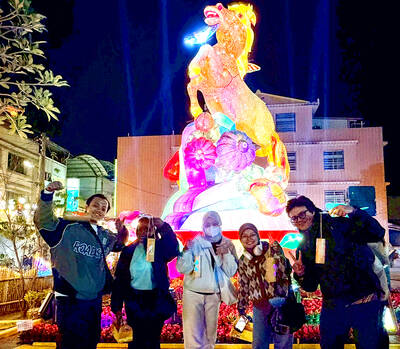
A: Harvard professor Robert Waldinger’s “7-day Happiness Challenge” includes: Day 1: Take stock of your relationships; Day 2: The secret power of an 8-minute phone call; Day 3: Small talk with strangers has big benefits. B: That’s not too hard. What’s next? A: Day 4: Why you should write a “living eulogy;” Day 5: The importance of making work friends; Day 6: Don’t cancel those social plans. B: Good ideas. What’s the final challenge? A: Day 7: Keep happiness going all year long. So, I’m inviting some friends to the Taipei Lantern Festival today to build good relationships. Wanna
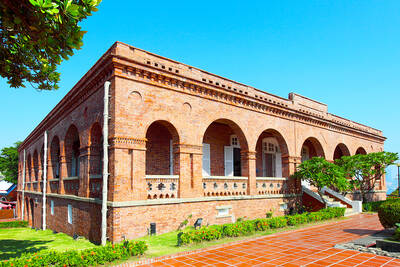
★ 本文由生成式 AI 協作,本刊編輯編修。 For tourists looking for a scenic way to spend an afternoon in Kaohsiung, heading to the British Consular Residence of Takao is the perfect choice. Its elevated position allows one to take in the bustling Kaohsiung Harbor to the east and the dazzling sunset over Sizihwan Bay to the west. This elegant red-brick building also serves as a portal to the city’s rich history. Interestingly, for 70 years, many people mistakenly identified this residence as the actual consulate. The history of “Takao,” the former name of Kaohsiung, began its international chapter in the mid-19th century. As European powers

★ Bilingual Story is a fictionalized account. 雙語故事部分內容純屬虛構。 The fog came before the knock. It covered the street and pressed against the window. Chao Gung-dao lit a small oil lamp, but his makeshift hut stayed dim. Another knock. Chao opened the door. The inspector stepped inside and removed his hat. He did not smile. “You remember me?” the inspector said. Chao resented the question. The inspector looked around the small room. His eyes stopped on a wooden box resting on a low beam above Chao’s head. “What is that?” Chao stayed silent. The inspector pulled the box down and
★ 本文由生成式 AI 協作,本刊編輯編修。 Continued from yesterday(延續自昨日) https://www.taipeitimes.com/News/lang Kaohsiung’s deep connection with the sea continues to thrive, with Kaohsiung Harbor remaining a crucial hub for global shipping. In addition to the port, the city has emerged as a major player in another world-class maritime industry—yacht manufacturing, responsible for producing 80 percent of all Taiwan-made yachts. The yacht industry in Taiwan originated in the post-World War II era, when the US military presence in Taiwan provided local boat builders with guidance on making wooden yachts. The resulting craftsmanship was so exquisite that orders soon poured in. In 1977, Taiwan replaced Canada as the main yacht


 RSS
RSS