


Bilingual Story is a fictionalized account. 雙語故事部分內容純屬虛構。
Just yesterday, the boy had helped hang the lucky red couplets. Tonight, as firecrackers signaled the New Year, he lay in bed burning with a surging fever. The herbalist checked the boy’s pulse and went still.
“The only cure is in the county town across the mountains,” he said. “But the snow is deep, and the shops are shuttered until the Fourth Day.” The boy’s father looked at the window. “I will go.” “The roads are impassable for a cart,” the herbalist warned. “And too far for a man on foot.”
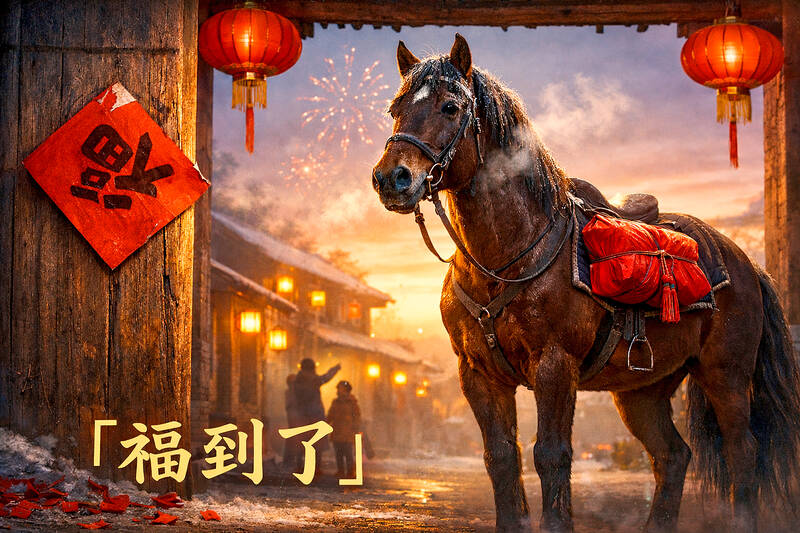
Photo: AI 照片:AI
The concerned neighbor stepped forward. “We have horses.” They rushed to the stables, lanterns swinging. Their attention immediately locked in on the show horse — the one with the glossy coat, thick neck and confident stance. They led it out into the biting wind. The horse pranced, whinnied nervously, and slipped on the icy stones. Its breath turned ragged in mere minutes. “He won’t last the mountain pass,” a gravelly voice spoke from the shadows. It was the Old Master Bo Le.
He walked past the shivering show horse and stopped at a stall in the back. Inside stood a horse with a dusty coat and a heavy, boring gait. The younger grooms sneered; they often complained this one was lazy, ate twice as much grain as the others, and never performed for guests.
“This is the one,” the Old Master said. He saw past its coat to the bone structure of its legs and the calm depth of its breath. “He eats more because he has more fuel to burn. He is not lazy; he is saving his strength for a worthy distance.” They tied the empty medicine bag under the saddle and wrapped a box for the medicine in red cloth, pinning a large golden “Fu” (福, good fortune) character to it for luck.
The Old Master opened the gate. “Go.” The horse did not prance. It drove forth. It stepped into the dark and found a rhythm that ate up the ground—steady, powerful and relentless. It lowered its head and plowed forward.
Just before dawn, the rider returned. With frost on its lashes, the horse’s chest heaved. But its legs were firm. In the chaotic rush to get the medicine to the sick boy, the rider yanked the red-wrapped box from the saddle and slammed it onto the table—upside down. They all froze, then pointed at the inverted character. “Look! ‘Good fortune’ has arrived” (Pun in Chinese: Fu dao le!). And good fortune had arrived. The boy’s fever soon broke. It was an auspicious sign for the new year — the Year of the Horse.
就在昨天,這個男孩還幫忙把象徵吉祥的紅色春聯貼好。今晚,隨著鞭炮聲響起,正式迎接新年時,他卻躺在床上發著高燒。中醫師把了把男孩的脈搏,神情變得凝重。
「唯一的解藥在翻過山的城鎮裡才買得到,」他說。「但雪很深,而且店家都關門了,要等到初四才會開。」男孩的父親看著窗外。「我去。」「那路況連馬車都過不去,」中醫師警告說。「而且距離太遠,人靠雙腳根本走不到。」
一位熱心的鄰居站了出來。「我們有馬。」他們衝進馬廄,燈籠搖晃著。他們的目光立刻鎖定在那匹展示用的馬身上—那匹毛色光亮、脖子粗壯、站姿自信的馬。他們把牠牽到寒風中。馬兒騰躍著,緊張地嘶叫,並在結冰的石頭上滑倒了。短短幾分鐘,牠的呼吸就變得急促。「牠撐不過那個山口的,」一個沙啞的聲音從陰影中傳來。是老伯樂。
他走過那匹發抖的展示馬,停在後面的一個柵欄前。裡面站著一匹毛色灰暗,走起路來沉重又乏味的馬。年輕的馬伕們嗤之以鼻。他們常抱怨這匹馬很懶,吃的穀物是別的馬的兩倍,卻從來不曾為客人表演。
「就是這一匹,」老伯樂說。他透過牠的皮毛看到牠腿部的骨架和深沉平穩的呼吸。「牠吃得多,是因為牠需要更多力氣。牠不是懶,而是在為一段值得的長路保留體力。」他們把空的藥袋綁在馬鞍下,用紅布包好裝藥的盒子,並別上一個大大的金色「福」字以求好運。
老伯樂打開大門。「去吧。」這匹馬沒有輕快跳躍而是猛衝向前。牠踏入黑暗中,找到了一種彷彿能吞噬大地般的節奏—平穩、有力且堅持不懈。牠低下頭,奮力耕耘般地前進。
就在黎明前,騎士回來了。馬的睫毛上結了霜,胸口劇烈起伏,但雙腿依然穩健。在把藥送給生病男孩的混亂中,騎士一把扯下馬鞍上紅布包著的盒子,重重地放在桌上,結果將藥盒放反了。所有人愣了一下,然後指著那個倒過來的字。「你們看!『福』到了!」而福氣真的來了。男孩的燒很快就退了。這被視為新春的好兆頭,也是馬年的好開始。
Epilogue 故事討論
While the holiday is famous for fireworks and reunion dinners, it is also a time when we reset roles and decide who we will trust in the year ahead. In a Horse Year, the cultural symbolism leans toward movement, stamina and momentum. It is the perfect time to ask: What are we actually rewarding? The parable above echoes Han Yu’s famous Tang-dynasty essay, “Ma Shuo” (On Horses). Han’s point was never really about animals; it was about the tragedy of unrecognized talent.
Most people assume excellence is rare. Han Yu flips that assumption. He argues that capable people are actually common, but the leaders who can recognize capability — without needing a flashy performance — are rare. As he famously wrote: “The thousand-mile horse is common, but Bo Le is not.”
This lesson extends beyond stables to our schools, workplaces and families. Many people possess the “long-road” ability to endure, to grow under pressure and to deliver when the stakes are high. Yet, they are often judged on “short-road” metrics: how well they interview, how confidently they speak in meetings, or how glossy their presentation looks. We criticize them for “wasting grain” (requiring more resources or patience) without realizing that high potential requires high investment.
Han ends his essay with the question that drives this New Year story. When we complain that we cannot find good people, or good solutions, is it the truth? “Alas! Is there truly no fine horse? Or is it really that we do not know how to recognize them?”
農曆新年最廣為人知的,或許是煙火與團圓飯,但這也是我們重新設定角色、決定未來一年要信任誰的時刻。在「馬年」的文化象徵中,重點往往放在「行動力、耐力,以及持續向前的動能」。也正因如此,這是一個非常適合提出問題的時候:我們真正獎勵的,到底是什麼?這則寓言呼應了唐代韓愈的著名文章《馬說》。韓愈的重點其實不在動物,而是那些沒有被看見、沒有被辨識出來的才能,所面臨的悲劇。
大多數人認為真正優秀的人才非常稀少。韓愈推翻了這個假設。他認為有能力的人其實很常見,真正稀有的,是那些能夠在不需要華麗表現、不靠外顯包裝的情況下,仍然看出一個人實力的領導者。正如他那句名言:「千里馬常有,而伯樂不常有。」
這個道理不只適用在馬廄裡,也同樣存在於我們的學校、職場,甚至家庭之中。許多人其實都具備「走長途」的能力,能夠承受壓力、在困境中成長,並在關鍵時刻交出成果。然而,他們常被用「走短程」的指標來評判:例如面試時表現得好不好、在會議上說話夠不夠有自信,或是簡報看起來是否夠亮眼、夠漂亮。我們批評他們「浪費穀物」(需要更多資源或耐心),卻沒意識到高潛力需要高投資。
韓愈在文章結尾提出了一個問題,也是這個新年故事的核心︰當我們抱怨找不到好人才,或找不到真正有效的解決方案時,這真的是事實嗎?還是我們其實從未學會,如何辨認真正的好馬?「嗚呼!其真無馬邪?其真不知馬也!」
Vocabulary 單字片語
1. couplet 春聯
2. firecracker 鞭炮
3. reunion dinner 團圓飯
4.herbalist 中醫師、草藥醫生、草木植物學家
5. pulse 脈搏(check sb’s pulse 把脈)
6. stable 馬廄
7. stall 畜舍、柵欄、棚架
8. saddle 馬鞍
9. recognize 辨識
10. talent 才能、人才、藝人明星
Idioms 相關成語
1. Year of the Horse(農曆)馬年
2. auspicious sign 好兆頭
(Chinese Idiom: A sign indicating good luck or success is coming)
3. fortune has arrived (fortune is upside down) 福到了/福倒了
(Chinese Pun: The word for “arrived” sounds exactly like “upside down”)
4. thousand-mile horse 千里馬
(Chinese Idiom: A metaphor for a talented person who awaits discovery)
Nigel P. Daly is a writer with a language learning newsletter called Chin-glish bilingual lab (https://ndaly.substack.com).
Cynthia Chen is a translator and writer specializing in blogs, scripts and articles.

The US-Israeli war with Iran, which began on Feb. 28, has killed thousands of people, destabilized the Middle East and rocked global energy markets by effectively closing the strait. WHAT IS THE STRAIT OF HORMUZ? Lying between Oman and Iran and linking the Gulf north of it with the Gulf of Oman to the south and the Arabian Sea beyond, the strait is 33km wide at its narrowest point, with a shipping lane just 3km wide in either direction. Perhaps the world’s most important energy shipping channel, the waterway is about 167km long. Following through on an old threat, Tehran effectively closed the strait

Have you ever found yourself desperately feeding coins into a claw machine just because you’ve already spent so much trying to win that stuffed animal? Or maybe you’ve continued watching a boring movie simply because you already paid for the ticket? If so, you’ve experienced the “sunk cost fallacy.” A sunk cost refers to time, money or effort that has already been spent and cannot be recovered. This psychological trap is surprisingly common. You might keep playing a video game you no longer enjoy because you’ve invested countless hours in building your character, or maintain a toxic friendship because you’ve known
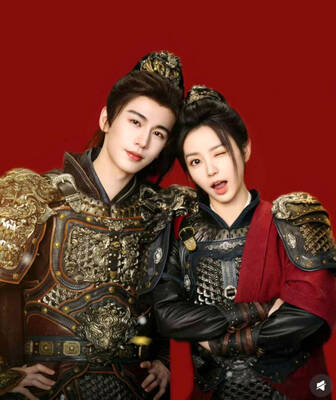
A: Which TV drama series have been global hits so far this year? B: The US drama “Stranger Things 5,” South Korean drama “Can This Love Be Translated?” and Chinese megahit “Pursuit of Jade” are all popular lately. A: Isn’t “Pursuit of Jade” the costume idol drama about the romance between a charming marquis and a pig-slaughterer? Actor Zhang Linghe and actress Tian Xiwei are both so attractive. B: Plus, Netflix’s Korean-Japanese gay romance drama “Soul Mate” — starring Korea’s Ok Taec-yeon and Japan’s Hayato Isomura — is set to premiere in May. A: These hit international dramas

1. 他甚至還自認為是個了不起的領導人。 ˇ He even went so far as to think himself a great leader. ˇ He even went so far as to think of himself as a great leader. χ He even went so far as to think himself as a great leader. 註:認為某人或某事為何等樣人或何等樣事,可用 think+受詞+受詞補語,或 think of ... as ...,正句第一句比第二句普遍些。用了 of,後面用 as;沒有 of,就不可以用 as。又如: I thought him quite a joke. I thought of him as quite a joke. 2. 你不應該打擾他休息。 ˇ You should not intrude upon him during his time off. χ You should not intrude him during his time off. 註:intrude 作「闖進」、「打擾」、「侵入」解時,是不及物動詞,後面跟 upon。 3. 男孩正在玩陀螺。 ˇ The boy is playing with his top. χ


 RSS
RSS