


1. 展出的是幾幅張大千的名畫。
ˇ There are some masterpieces painted by Chang Dai-chien on exhibition.
χ There are some masterpieces painting by Chang Dai-chien on exhibition.

Photo: AdobeStock l 照片:AdobeStock
註:現在分詞 painting 表明主動的或未完成的動作,這裏必須用過去分詞。現代英語裡,正句裡的 painted 一字,往往略去。若將 painting 視為名詞,則應加s — paintings.
2. 書前面有簡短的序言。
ˇ There is a short foreword preceding the book.

Photo: AdobeStock l 照片:AdobeStock
χ There is a short foreword preceded the book.
註:precede 作「在……之前」解。a short foreword 是放在述詞後的主詞,應用現在分詞 preceding 表明主動的動作,句義與 There is a short foreword which precedes the book. 相同。
3. 你知道昨天發生的事故有誰在裡面嗎?
ˇ Do you know anyone who was in the accident that happened yesterday?
χ Do you know anyone who was in the accident happened yesterday?
註:錯句中的 happened 是過去分詞,一般過去分詞形式有被動的意義,但 happen 是不及物動詞,不能用作被動形式。若用現在分詞 happening 則表示未完成的動作,與中文原意不合。
請參考下列例句:
我上個月發表的有關創造力的文章,你讀過沒?
ˇ Have you read my article about creativity that appeared in last month’s journal?
χ Have you read my article about creativity appearing in last month’s journal?
χ Have you read my article about creativity appeared in last month’s journal?
4. 這突如其來的消息令人覺得有趣。
ˇ This sudden news is really interesting.
χ This sudden news is really interested.
註:現在分詞 interesting 意思是「令人感興趣的」,interested 則是某人「對某事感興趣」。另比較以下例句:
This book is interesting.
I’m interested in reading the book.
5. 他突然失蹤令人擔憂。
ˇ His sudden disappearance is alarming.
χ His sudden disappearance is alarmed.
註:上例中的過去分詞都有被動含義,但句子中需要的是主動引起別人某種情感的詞語,應用現在分詞。
屬於相同性質容易被誤用的有 disgusting, disgusted; amazing, amazed; amusing, amused; confusing, confused; astonishing, astonished; astounding, astounded; disappointing, disappointed; discouraging, discouraged 等。
Exercises
A. 綜合各種因素來看,我認為這並非不可能。
All things __________ , I think it is not impossible.
1. consider 2. considered 3. considering 4. to consider
B. 他的演講很無趣,令我們感到無聊。
His speech was dull, and we were __________ by it.
1. boring 2. bore 3. bored 4. born
Answers:
A. 2 B. 3
文章由書林出版公司提供:
www.bookman.com.tw
蘇正隆 — 台灣翻譯學學會前理事長、師大翻譯研究所兼任副教授; 編著《走讀自然.花言樹語》,《英語的對與錯》,《世紀病毒:必讀防疫英文知識與詞彙》...等。國家教育研究院中英雙語詞彙審議委員;研究領域為翻譯、術語及詞典編譯,從事植物與人文導覽數十年,亦曾應邀遠赴國外大學做植物人文導覽。
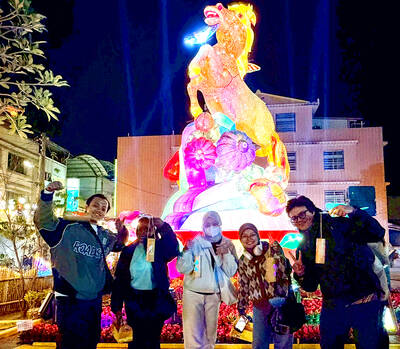
A: Harvard professor Robert Waldinger’s “7-day Happiness Challenge” includes: Day 1: Take stock of your relationships; Day 2: The secret power of an 8-minute phone call; Day 3: Small talk with strangers has big benefits. B: That’s not too hard. What’s next? A: Day 4: Why you should write a “living eulogy;” Day 5: The importance of making work friends; Day 6: Don’t cancel those social plans. B: Good ideas. What’s the final challenge? A: Day 7: Keep happiness going all year long. So, I’m inviting some friends to the Taipei Lantern Festival today to build good relationships. Wanna

A: Happy Lunar New Year. I wish you joy and health in the Year of the Horse. B: Thanks, you too. Actually, the Harvard Study of Adult Development claims that they’ve finally discovered the secret to living a happy life after 85 years of research. A: What is it? Money? Fame? Career? B: Nope, the key is good relationships. Professor Robert Waldinger, the principal investigator, portrays one’s relationships as “social fitness,” and has worked with the New York Times to launch the “7-day Happiness Challenge.” A: I wanna be socially fit. How can I participate in this challenge? A:
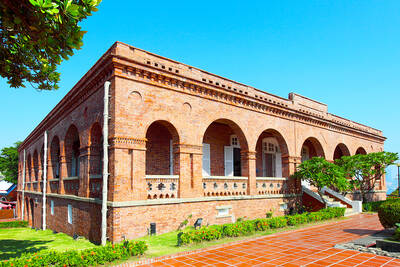
★ 本文由生成式 AI 協作,本刊編輯編修。 For tourists looking for a scenic way to spend an afternoon in Kaohsiung, heading to the British Consular Residence of Takao is the perfect choice. Its elevated position allows one to take in the bustling Kaohsiung Harbor to the east and the dazzling sunset over Sizihwan Bay to the west. This elegant red-brick building also serves as a portal to the city’s rich history. Interestingly, for 70 years, many people mistakenly identified this residence as the actual consulate. The history of “Takao,” the former name of Kaohsiung, began its international chapter in the mid-19th century. As European powers
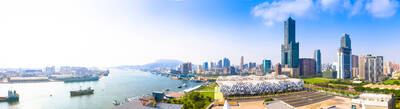
★ 本文由生成式 AI 協作,本刊編輯編修。 Continued from yesterday(延續自昨日) https://www.taipeitimes.com/News/lang Kaohsiung’s deep connection with the sea continues to thrive, with Kaohsiung Harbor remaining a crucial hub for global shipping. In addition to the port, the city has emerged as a major player in another world-class maritime industry—yacht manufacturing, responsible for producing 80 percent of all Taiwan-made yachts. The yacht industry in Taiwan originated in the post-World War II era, when the US military presence in Taiwan provided local boat builders with guidance on making wooden yachts. The resulting craftsmanship was so exquisite that orders soon poured in. In 1977, Taiwan replaced Canada as the main yacht


 RSS
RSS