


A: Apart from the world’s major dictionaries, the online Dictionary.com actually picked “67” as its word of the year.
B: What does “67” even mean?
A: Even the dictionary wasn’t exactly sure about its meaning. The slang term’s origin might be traced to US rapper Skrilla’s song Doot Doot (67). Aren’t Taiwanese media outlets choosing the Mandarin word for 2025?

Photo: CNA 照片:中央社
B: Yeah and after hearing the song Good-for-Nothing, adapted from some catchphrases of Legislator Wang Shih-chien, I’m going to vote for the character “tsung” (hasty) from the lyrics.
A: Hopefully, in the new year, we’ll be calm as the song’s lyrics say, and not hasty.
A: 除了全球各大字典外,網路字典Dictionary.com今年的代表字為︰「67」(六七)。
B: 天啊「67」又是什麼怪字?
A: 就連該字典都不完全確定它的涵義,但這股熱潮可能起源自美國饒舌歌手Skrilla的歌曲《Doot Doot (6 7)》。台灣媒體不是也在選中文代表字嗎?
B: 對,而在聽了改編自立委王世堅金句的神曲《沒出息》後,我想投歌詞裡的「匆」字!
A: 希望新的一年我們都能像歌詞裡說的「從從容容、游刃有餘」,千萬別再「匆匆忙忙、連滾帶爬」。

A: In addition to the biopic “Michael,” comedy “The Devil Wears Prada 2” is finally in theaters. I can’t believe it’s been 20 years since the 2006 debut of the original film. B: Does the sequel still revolve around the fashion industry? A: This time, “Miranda,” the fashion magazine editor-in-chief played by Meryl Streep, will team up with her former assistant “Andy,” played by Anne Hathaway, to fight against Emily, her other ex-assistant played by Emily Blunt. B: Isn’t the role of “Miranda” based on then US “Vogue” editor-in-chief Anna Wintour? A: Yup, it established Anna’s fashion status, influenced pop culture
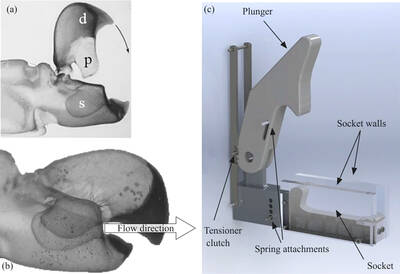
Few sea creatures of their size have as much destructive power as pistol shrimp. These small animals, usually measuring around four centimeters long, produce shock waves that can stun or even kill their prey. The attack begins when the shrimp opens its specialized claw, allowing water to fill a chamber inside. Then the claw closes rapidly. A bump on the claw strikes the chamber, forcing the trapped water out through a narrow opening at a high speed of about 25 meters per second. The rapid movement forms a bubble in the water that collapses almost instantly under the pressure of the

★ Bilingual Story is a fictionalized account. 雙語故事部分內容純屬虛構。 Rain hammered the roof in hard, uneven bursts. “Hold him still!” Baosheng pressed one hand against the stranger’s brow as the man twisted on the wooden bed. His left eye was swollen shut. The right one burned red like a coal. “It feels like fire,” the man gasped. “Like something is clawing inside.” Thunder rolled across the mountain. Baosheng leaned closer. The man’s skin was cold, but heat rose from his face. A strange smell hung in the air. He began the four methods of diagnosis: looking, listening/smelling,
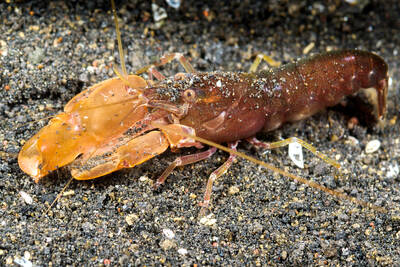
Continued from yesterday(延續自昨日) https://www.taipeitimes.com/News/lang One way to monitor marine biodiversity is to send divers down to take photos and notes; however, this method is expensive, time-consuming, and sometimes risky. On coral reefs, noise is an indicator of a healthy seabed. This is largely thanks to pistol shrimp, which often live inside sea sponges on coral reefs. The healthier the reef, the more pistol shrimp it hosts. This makes them perfect biological indicators. However, counting them visually is tricky because they often stay hidden. To address this, scientists turn to sound. Pistol shrimp snaps are loud, short, and rich in energy. They stand out


 RSS
RSS