


對話 Dialogue
清清:你知道嗎?今年臺北士林官邸的菊花展開始了。
Qīngqing: Nǐ zhīdào ma? Jīnnián Táiběi Shìlín Guāndǐ de júhuā zhǎn kāishǐ le.

Photo: Wikimedia commons 照片:維基共享資源
華華:真的嗎?我想去看!要買門票嗎?
Huáhua: Zhēnde ma? Wǒ xiǎng qù kàn! Yào mǎi ménpiào ma?
清清:不用,是免費的。
Qīngqing: Búyòng, shì miǎnfèi de.
華華:太好了!怎麼去比較方便?
Huáhua: Tài hǎo le! Zěnme qù bǐjiào fāngbiàn?
清清:先坐捷運到士林站,再走十分鐘就到了。
Qīngqing: Xiān zuò jiéyùn dào Shìlín Zhàn, zài zǒu shífēnzhōng jiù dào le.
華華:也可以搭公車嗎?
Huáhua: Yě kěyǐ dā gōngchē ma?
清清:可以,有很多公車到中山北路那邊,下車以後就離士林官邸不遠了。
Qīngqing: Kěyǐ, yǒu hěnduō gōngchē dào Zhōngshān Běilù nèibiān, xiàchē yǐhòu jiù lí Shìlín Guāndǐ bù yuǎn le.
華華:好,那週末就一起去吧!
Huáhua: Hǎo, nà zhōumò jiù yìqǐ qù ba!
翻譯 Translation
Qingqing: Do you know? This year’s Chrysanthemum Exhibition at Taipei’s Shilin Residence has begun.
Huahua: Really? I want to go see it. Do we need to buy tickets?
Qingqing: No, it’s free.
Huahua: Great. What’s the best way to get there?
Qingqing: First take the MRT to Shilin Station, then walk for 10 minutes and you’re there.
Huahua: Can we also take a bus?
Qingqing: Yes, there are many buses to Zhongshan North Road. After getting off, it’s not far from Shilin Residence.
Huahua: OK, then let’s go together this weekend.
生詞 Vocabulary
1. 士林官邸 (Shìlín Guāndǐ) Shilin Residence
2. 菊花展 (júhuā zhǎn) chrysanthemum exhibition
3. 免費 (miǎnfèi) free (of charge)
4. 捷運 (jiéyùn) MRT, metro
5. 方便 (fāngbiàn ) convenient
6. 公車 (gōngchē) bus
7. 下車 (xiàchē) get off (a bus / train)
8. 週末 (zhōumò) weekend
教材音檔 Audio Files
國立清華大學華語中心提供
By National Tsing Hua University Chinese Language Center:
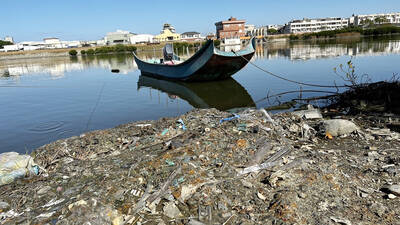
Many consumers are guilty of filling drawers or closets with old laptops, cellphones, fitness trackers and other electronic devices once they are no longer needed. It’s hard to know where to recycle such items, or it seems costly and inconvenient to do so. The world generates millions of tons of electronic waste — also called e-waste — each year. According to the UN’s most recent estimate, people worldwide produced 62 million metric tons of e-waste in 2022, and only about 22 percent of it was properly recycled. The US’ Environmental Protection Agency estimates that less than a quarter of e-waste is
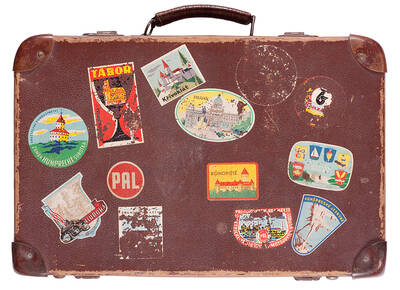
Travel fever is back, and it’s contagious. After years of being kept home during the COVID-19 pandemic, people are once again eager to explore the world. Rather than just book any trip, travelers are getting smarter about how they scratch that travel itch. Microcation Defined as four days or fewer and over 160km away from home, the microcation perfectly matches the post-pandemic mindset. After long periods of remaining indoors, people are making up for lost time by taking short, frequent getaways throughout the year. These brief trips avoid the work-life imbalance that comes with long absences. With only a few days away, one’s

Continued from yesterday(延續自昨日) https://www.taipeitimes.com/News/lang Gig Tripping “Gig tripping” combines concerts with travel. People fly to see their favorite artists perform — usually abroad—and spend a few days sightseeing before or after the show. While die-hard fans have done this since the 1960s, the post-pandemic travel boom changed the game. Even people who aren’t superfans are now booking international concert trips because they want to make the most of travel opportunities. This trend exploded in the US, as the math makes sense. Domestic concert tickets are so costly that flying abroad for the show plus tourism expenses often matches or even beats the price

A: Apart from collaborating on crossover comics, “Chibi Maruko-chan” and “Crayon Shin-chan” will launch co-branded merchandise and pop-up stores this time. B: Actually, you don’t need to fly to Japan. Taipei’s Huashan 1914 Creative Park is hosting multiple anime-themed pop-up stores — including one for Shin-chan. A: Really? What other pop-up shops are there? B: They include stores themed around “Dragon Ball,” “Snoopy,” “Rilakkuma,” “One Piece,” “Jujutsu Kaisen,” “Frieren” and “Chiikawa X Sanrio.” A: Wow, I was just watching the second season of the live-action “One Piece.” We can visit the park during the Tomb-sweeping Day long weekend


 RSS
RSS