


Bilingual Story is a fictionalized account. 雙語故事部分內容純屬虛構。
“Sentence me to death! I beg you — I beg you!” He stood, thin from weeks in a cell, but steady. The courtroom was silent. Soldiers lined the walls. Reporters looked up, pens suspended above their notebooks. The judges shifted. Cameras clicked once, then stopped.
Outside, the sun blazed over the barracks yard. Inside, it was winter. The words rebellion and death penalty hung in the air like a storm cloud about to break. But this moment had not begun here.
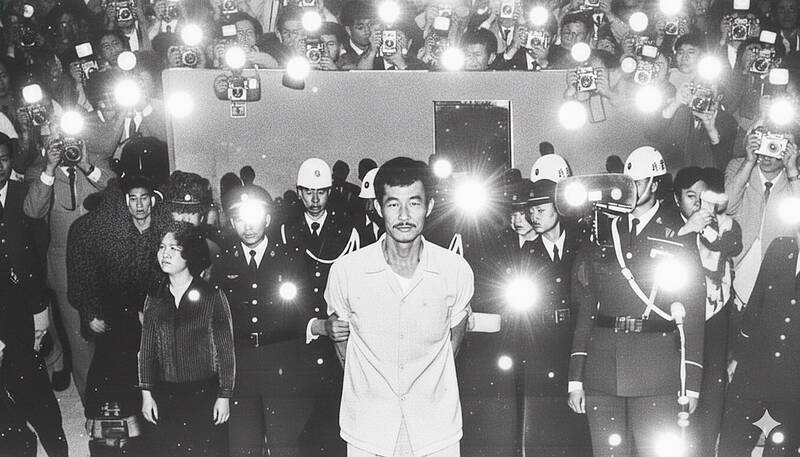
Photo: AI-edited 照片:AI 後製
It began three months earlier, on a warm December evening. The traffic circle at Zhongshan and Zhongzheng 4th Road was filling with people celebrating International Human Rights Day. They carried candles and signs that read Freedom, Justice, Human Rights. They were not rebels. They were only students, teachers, parents and children who believed words could change the island’s future. As twilight deepened, the circle became a sea of lights. Tens of thousands stood shoulder to shoulder, their candles flickering like stars. A truck became a stage. Voices rose. They were brave, hopeful, defiant.
Around them, another circle formed: riot police, shields gleaming under the streetlights. As dusk fell, more squads moved in, closing the ring.
The loudspeakers barked: Disperse immediately. Few moved. A second warning came, harsher. Then the night split open. Tear gas burst. Smoke rolled through the crowd. People stumbled, screamed. Parents shielded children. Boots struck pavement. Banners fell. The lights of hope scattered into the alleys. By midnight, the circle was empty. The gas hung low. The next day, the arrests began. They came at dawn, door by door — writers, teachers, activists. Some were beaten, others vanished. But he was not caught. He moved from house to house, sleeping in storerooms, hiding in churches, waiting.
For nearly a month, the search tightened. When they found him, he did not resist. He only said his life no longer belonged to him. It belonged to generations who would not have to hide, whisper, or die for freedom.
「判我死刑吧!拜託你們——拜託你們!」 他站在那裡,因在牢裡待了數週而清瘦,但雙腳依然穩健。法庭內一片寂靜。士兵沿著牆壁站成一排。記者們抬起頭,手中的筆懸在筆記本上。法官微微挪動身體。相機快門按了一聲,又停了下來。
外頭,陽光炙烤著兵營廣場。裡頭,卻如同寒冬。「叛亂」、「死刑」這兩個字像暴風雨前壓頂的烏雲,懸在空氣中。然而,故事的開端並不在這裡。
這一切,都始於三個月前,一個溫暖的十二月傍晚。位於中山路與中正四路交叉口的圓環,正聚集著慶祝「國際人權日」的人群。他們拿著蠟燭和寫著「自由、正義、人權」的標語。他們不是叛亂分子。他們只是相信文字能改變這座島嶼未來的學生、老師、父母和孩子。
暮色漸深,圓環成了一片燈海。數萬人肩並肩站著,手中的蠟燭如 星辰閃爍。一輛卡車成為了舞台,聲音四處響起。這裡的人勇敢、充滿希望,並無所畏懼。
在他們周圍,形成了另一個圈:鎮暴警察。盾牌在街燈的照射下反射著光。黃昏時分,更多隊伍移入,包圍圈逐漸縮小。
擴音器發出警告:「立刻解散。」幾乎沒有人移動。第二次警告傳來,且更為嚴厲。接著,寧靜的夜就此劃破——催淚瓦斯炸開,煙霧四散在人群中。人們踉蹌、尖叫,父母保護著孩子。靴子踏擊著路面,旗幟倒下,希望的燈火四散逃入巷弄之中。到了午夜,圓環已經空無一人,只剩瓦斯霧氣瀰漫低垂。
第二天,逮捕行動開始了。他們在黎明時分,挨家挨戶地上門抓人——作家、老師、社運人士。有些人被毆打,有些人則從此消失地無影無蹤。但是,他,並沒有被抓到。他輾轉於不同的地方,睡在儲藏室,躲在教堂裡,等待著。
搜捕行動持續了近一個月,且日益嚴密。當他們找到他時,他沒有抵抗。他只說,他的生命不再屬於他自己。它屬於那些不必再為了自由而躲藏、低語或犧牲的後代。
故事討論
His name was Shih Ming-teh. He was arrested after the Formosa Incident, the Human Rights Day rally on Dec. 10, 1979, in Kaohsiung. The government charged him with rebellion, accusing him of masterminding plans to seize power. During his military trial, he refused to defend himself and instead demanded death. He hoped his sacrifice would awaken others.
The court spared his life but sentenced him to life imprisonment. This was the harshest of all the defendants. In total, 152 people were arrested or implicated in the case, dozens injured, and the island’s fear deepened. Yet that night became a spark. Within eight years, martial law was lifted, and Taiwan began its journey toward democracy.
He lived long enough to see the ideals once condemned as rebellion written into law. Before his death, he saw Taiwan rank first in Asia in the 2023 Human Freedom Index — a measure of how far those silenced voices had carried.
他的名字是施明德。他在 1979 年 12 月 10 日高雄的「國際人權日」集會(即「美麗島事件」)後被捕。政府以叛亂罪起訴他,指控他主謀策劃奪取政權。在軍事審判期間,他拒絕為自己辯護,反而請求判處死刑。他希望他的犧牲能喚醒其他人。
法院最終並未判處他死刑,但給予他在所有被告中最嚴厲的判決︰無期徒刑。總共有 152 人被捕或涉案,數十人受傷,這加深了這座島嶼的恐懼。然而,那一夜成為了一點星火。八年內,戒嚴令解除,台灣開始了邁向民主的旅程。
他活得夠久,親眼看到那些曾被視為「叛亂」的理想,被寫入了法律。臨終前,他看到台灣在 2023 年的「人類自由指數」中排名亞洲第一——那是被壓抑的聲音,走過漫長歲月所帶來的成果。
Vocabulary 單字片語
1. human rights 人權
2. Formosa Incident (Kaohsiung Incident) 美麗島事件
3. freedom 自由
4. justice 正義
5. rebellion 叛亂
6. death penalty 死刑 (penalty︰處罰、刑罰、罰球)
7. International Human Rights Day 國際人權日 (12 月 10 日)
8. riot police 鎮暴警察
9. martial law 戒嚴令 (martial︰軍事的、戰爭的、好戰的)
10. democracy 民主
Idioms 相關成語
1. door by door 挨家挨戶
2. vanish (away/from/into) 消失不見
3. became a spark 成為一點星火(spark︰火花、火星、火光)
Nigel P. Daly is a writer with a language learning newsletter called Chin-glish bilingual lab (https://ndaly.substack.com).
Cynthia Chen is a translator and writer specializing in blogs, scripts and articles.
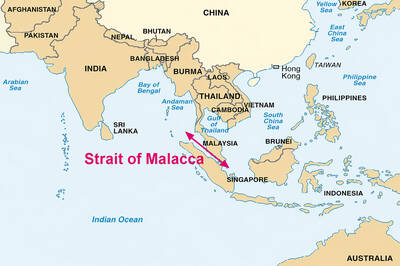
The closure of the Strait of Hormuz has forced policymakers in Asia to face questions over the security of other maritime chokepoints, including the Strait of Malacca, which is the world’s busiest waterway for international trade. WHAT IS THE MALACCA STRAIT? The 900km long Malacca Strait, bounded by Indonesia, Thailand, Malaysia and Singapore, provides the shortest sea route from East Asia to the Middle East and Europe. It carries nearly 22 percent of the world’s maritime trade, according to the Center for Strategic and International Studies (CSIS). This includes oil and gas shipments from the Middle East to the energy-hungry economies of China,

Cameras are everywhere — in our pockets, on our walls and even in space. They capture emotions, preserve history and reflect culture. Through these devices, photography is now essential to modern life, influencing how we perceive ourselves and the world. To understand the root of their power, let’s explore the camera’s remarkable journey. The story begins with the camera obscura, a dark room with a tiny hole. Light passing through the opening projected an inverted image on the opposite wall. Renaissance artists used this principle to paint accurate scenes. However, these images couldn’t be preserved as photographs. That changed

A: This year’s two most anticipated films have finally hit theaters in Taiwan. “Michael” premiered last Wednesday, while “The Devil Wears Prada 2” premiered this Wednesday ahead of its global release. B: Isn’t “Michael” the biopic about the late King of Pop Michael Jackson? A: Yup, it tells the story of Michael’s legendary life, from child star to global icon. And the role is in fact played by his nephew, Jaafar Jackson. B: Michael caused a sensation when touring Taiwan twice in 1993 and 1996. His classic hits, dance moves and music videos reshaped global pop culture at that time. A: I’m gonna
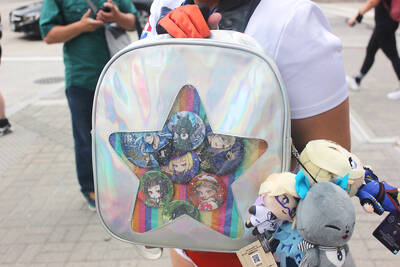
對話 Dialogue 華華:欸,你最近有沒有發現,路上很多人背的包包上還有一個透明的小包包? Huáhua: Èi, nǐ zuìjìn yǒu méiyǒu fāxiàn, lùshàng hěn duō rén bēi de bāobāo shàng hái yǒu yí ge tòumíng de xiǎo bāobāo? 清清:我上次去逛街,也注意到了。我看到好多人把吊飾、照片或娃娃什麼的放進小包裡,掛在包包上。那叫什麼啊? Qīngqīng: Wǒ shàngcì qù guàngjiē, yě zhùyì dào le. Wǒ kàndào hǎo duō rén bǎ diàoshì, zhàopiàn huò wáwa shénme de fàng jìn xiǎo bāo lǐ, guà zài bāobāo shàng. Nà jiào shénme a? 華華:聽說有兩種,一種叫「痛包」,一種叫「娃包」或「曬娃包」。 Huáhua: Tīngshuō yǒu liǎng zhǒng, yì zhǒng jiào “tòngbāo”, yì zhǒng jiào “wábāo” huò “shàiwábāo”. 清清:「痛包」這個說法我聽過,就是在包包上大量展示自己喜歡的東西。但「曬娃包」還是第一次聽到。為什麼叫「曬娃包」? Qīngqīng: “Tòngbāo” zhège shuōfǎ wǒ tīng guò, jiù shì zài bāobāo shàng dàliàng zhǎnshì zìjǐ xǐhuān de dōngxi. Dàn “shàiwábāo” háishì dì yí cì tīng dào. Wèishéme jiào “shàiwábāo”? 華華:因為很多人會把自己喜歡的娃娃放進透明包裡,帶出去拍照,曬給大家看。 Huáhua: Yīnwèi hěn


 RSS
RSS