


Picture this: contestants are walking gracefully across a stage, competing for the highly desired title of “most beautiful.” However, these participants aren’t fashion models—they’re camels. Welcome to the extraordinary world of the Pushkar Fair, where beauty contests take on an entirely different meaning.
The Pushkar Fair is held annually in the small desert town of Pushkar, India, usually in November. It began as a livestock trading event where farmers and herders gathered to buy and sell camels, horses and cattle. Over time, it has grown into a major cultural carnival that attracts thousands of tourists from around the world. Today, the atmosphere is joyful and energetic, filled with music, laughter and the lively bustle of market stalls.
One of the most anticipated events at the Pushkar Fair is the traditional dance performances. Dancers dressed in bright, traditional costumes move gracefully to the rhythm of folk music. Their energy and passion are contagious, drawing the audience into the heart of the performance. Another highlight is the longest mustache competition, where local men proudly show off their impressive facial hair. Some mustaches are over 2m long. The tug-of-war tournaments also generate tremendous enthusiasm, with teams from different villages competing fiercely while spectators cheer loudly from the sides.
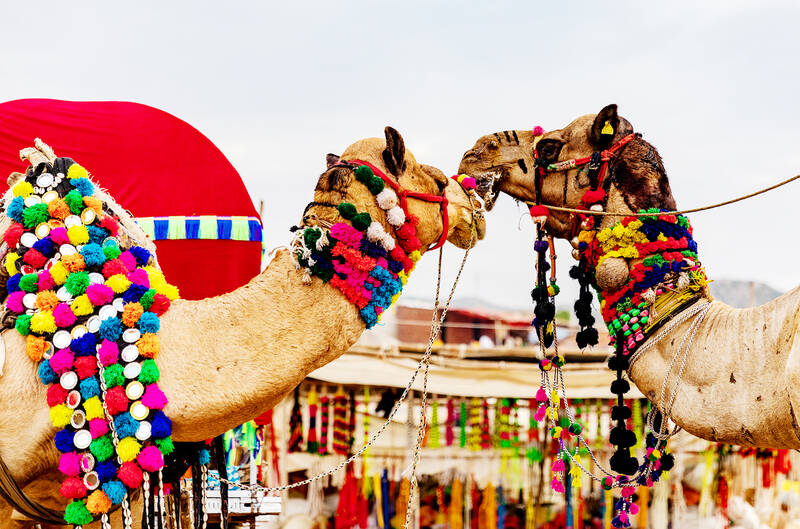
Photo: Freepik 照片:Freepik
The camel beauty contest is undoubtedly the star attraction. Owners carefully groom their animals, trimming their fur into creative patterns and decorating them with bright fabrics and colorful ornaments. Judges evaluate the camels based on their health, grooming, and overall appearance. The bond between each camel and its owner is evident, with every detail reflecting the time, care, and effort put into getting ready for this grand event.
As the sun sets, the Pushkar Fair continues to shine with tradition, color, and celebration, a cultural experience that stays in people’s memories long after the desert dust settles.
想像一下:參賽者優雅地走過舞台,爭奪那個人人渴望的「最美」頭銜。不過,這些參賽者可不是時尚模特兒──而是駱駝!歡迎來到獨樹一幟的「普什卡駱駝節」,這裡的選美比賽有著完全不同的定義。
普什卡駱駝節每年在印度的沙漠小鎮普什卡舉行,通常是在十一月。它最初只是農夫與牧人聚集一處買賣駱駝、馬匹和牛隻的牲畜交易活動。隨著時間推移,它發展成一場大型文化嘉年華,吸引成千上萬名來自世界各地的遊客。如今,這裡的氣氛歡快且充滿活力,洋溢著音樂、歡笑聲及市集攤位的熱鬧喧囂。
在普什卡駱駝節中,備受期待的活動之一就是傳統舞蹈表演。舞者穿著鮮豔的傳統服飾隨著民謠節奏優雅起舞。她們的活力與熱情極具感染力,將觀眾帶入表演的高潮。另一個亮點是最長鬍子比賽,當地男子自豪地展示他們長度驚人的鬍鬚。有些鬍鬚甚至長達兩公尺以上!拔河比賽同樣引起極大熱情,來自各村的隊伍激烈角逐,觀眾則在場邊熱烈歡呼。
最大亮點毫無疑問是駱駝選美大賽。主人們細心地替駱駝梳理毛髮、修剪出各種創意圖案並用鮮豔的布料與繽紛的裝飾物加以點綴。評審會根據駱駝的健康狀況、毛髮打理程度與整體外觀進行評估。駱駝與飼主之間的情感連結清晰可見,從每個細節都能看出他們為這場盛會所投入的時間、照料與努力。
當夕陽西下,普什卡駱駝節仍在傳統、色彩與歡慶中閃耀,這場文化體驗在沙漠塵埃落定後仍會長久地留在人們的記憶中。
KEY VOCABULARY
1. contestant n. 參賽者;競爭者
contest n. 比賽;競賽
Each contestant had only two minutes to show their special skills on stage.
每位參賽者在台上只有兩分鐘展示他們的特別技能。
2. take on 呈現;具有
The story took on new meaning after Tiffany explained the ending.
在蒂芬妮解釋結局之後,這個故事有了新的意義。
3. carnival n. 嘉年華;狂歡節
The city held a big carnival filled with music, dancing, food and fun.
這座城市舉辦了一場充滿音樂、舞蹈、美食與歡樂的嘉年華。
4. stall n. 攤位
My sister wants to open a handmade jewelry stall at the school fair.
我妹妹想在學校園遊會擺一個手作飾品攤位。
5. show off 炫耀;賣弄
Nick loves to show off his dance moves whenever music plays. 只要有音樂,尼克就喜歡炫耀他的舞步。
6. tournament n. 錦標賽;聯賽
The tournament attracted many young athletes from all over the country.
這場聯賽吸引了來自全國各地的年輕運動員參加。
7. enthusiasm n. 熱情;熱忱
Roxanne’s enthusiasm for music grew stronger after she joined the school band.
蘿珊參加學校樂隊後,對音樂的熱情變得更高了。
8. fiercely adv. 激烈地;猛烈地
The wind blew fiercely, shaking trees and making walking very difficult.
風猛烈地吹著,搖動樹木,並使人非常難以行走。
9. undoubtedly adv. 毫無疑問地;肯定地
The beautiful sunset over the mountain range was undoubtedly the highlight of our entire camping trip.
山脈上美麗的日落無疑是我們整個露營之旅的亮點。
MORE INFORMATION
livestock n. 牲畜;家畜
herder n. 牧人;放牧者
bustle n. 喧鬧;熱鬧的活動
mustache n.(嘴唇上方的)鬍鬚
tug-of-war n. 拔河
groom vt. 梳理;打扮
ornament n. 裝飾品;飾物
學習音檔: https://magazine.english4u.net/Magdata/menu/av87q
《空中美語》雜誌APP免費下載: https://www.english4u.net/apps/index.aspx
免費收聽當月《空中美語》雜誌課文朗讀及解析 !
文章由AMC空中美語授權使用: https://www.english4u.net
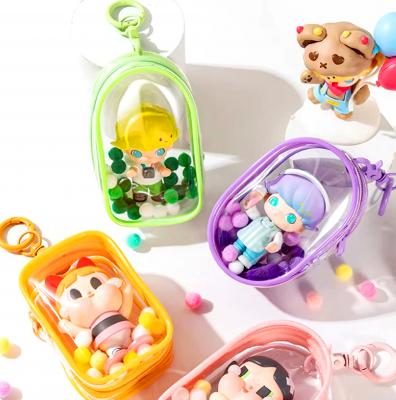
If you’ve recently spotted adults parading around with cuddly toys dangling from their designer handbags, your eyes haven’t been deceiving you. The playful trend of adorning bags with cute charms has become popular among people of various ages. Plushies like Labubu and anime and manga characters such as Chiikawa have become must-have accessories that make personal statements. The practice of attaching charms to personal items has been common across cultures throughout history. In ancient civilizations, charms were often used as symbols of protection, good luck, or identity. Fast-forward to more modern times, and style icons like Jane Birkin, a
A: So you’re reading Jin Yong’s martial arts novel again? B: Yup, Jin’s novels are so fascinating, especially the trilogy: “Legends of the Condor Heroes,” “Return of the Condor Heroes,” and “Heaven Sword and Dragon Saber.” A: The late novelist published his first story in 1955, which means this year marks the 70th anniversary of his “wuxia” world. B: Wasn’t an English version of “Legends of the Condor Heroes” also released in 2018? A: Yes, but the debate over the translation of kung fu moves continues — like the evil move “Nine Yin Skeleton Claw.” A: 你又在重讀金庸的武俠小說啦? B:

A: Apart from Jin Yong, the late martial arts novelists Liang Yusheng and Gu Long were also very popular. B: Wasn’t Liang a pioneer of the “new school” wuxia genre in the 20th century? A: Yup, I really like his Tianshan mountain series. All the characters — such as the “White Haired Demoness” — are so vivid. B: The roles in Gu’s books are lively, too — like the “Fragrant Commander” Chu Liuxiang. A: And the TV drama adapted from the Chu Liuxiang series swept across Taiwan in the 1980s, with ratings surging over 70 percent at that time.
Continued from yesterday(延續自昨日) https://www.taipeitimes.com/News/lang If plushie charms are cute little nods to people’s interests, ita bags are full-on declarations. The term “ita” comes from the Japanese word itai, which means “painful” and reflects the overwhelming visual intensity of these bags. An ita bag is essentially a handbag, backpack, or tote meticulously decorated with an extensive collection of merchandise dedicated to a specific character or idol. These bags usually feature a clear plastic window to display carefully arranged pins, badges, keychains, or fan art. Both the interior and exterior may be covered in fandom memorabilia, creating an aesthetic so intense that it’s almost “painful”


 RSS
RSS