


If you’ve recently spotted adults parading around with cuddly toys dangling from their designer handbags, your eyes haven’t been deceiving you. The playful trend of adorning bags with cute charms has become popular among people of various ages. Plushies like Labubu and anime and manga characters such as Chiikawa have become must-have accessories that make personal statements.
The practice of attaching charms to personal items has been common across cultures throughout history. In ancient civilizations, charms were often used as symbols of protection, good luck, or identity. Fast-forward to more modern times, and style icons like Jane Birkin, a European actress, singer, and designer, helped popularize the idea of decorating handbags with trinkets, turning them into expressions of individuality. Today, just as people use emojis to convey emotions in messages, many are now using cuddly toys as a form of visual language to communicate their interests and values.
Interestingly, experts suggest that incorporating soft toys into daily fashion can offer emotional comfort and stress relief. Neuroscience studies reveal that seeing something cute stimulates the brain’s pleasure centers. In today’s fast-paced, high-pressure society, carrying something cute can serve as a small but effective coping mechanism. On top of that, the soft texture of fluffy toys can evoke feelings of security, nostalgia, and joy, instantly bringing back warm memories of childhood.
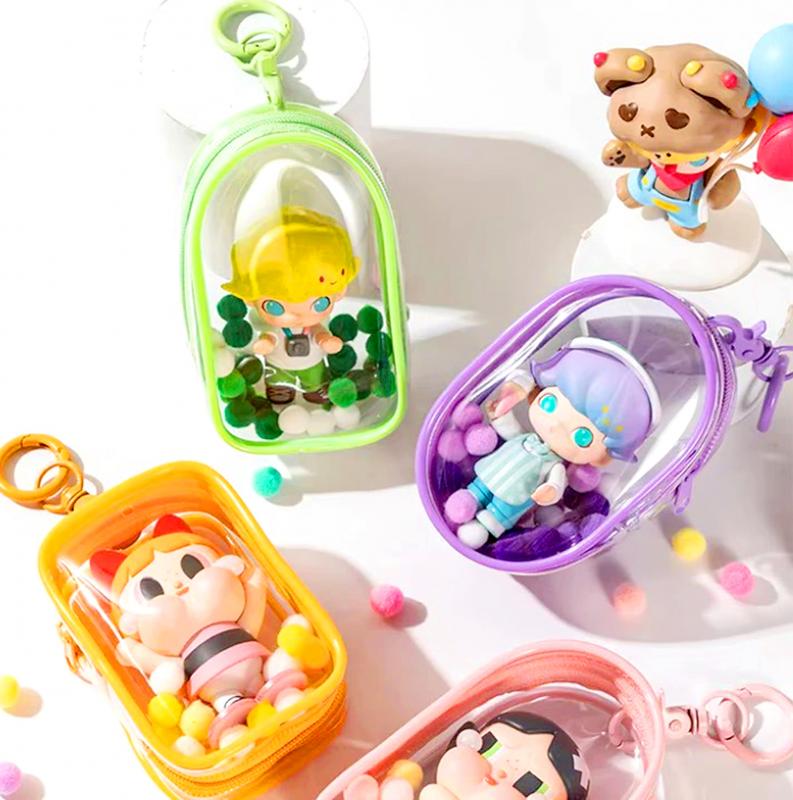
Photo: AdobeStock I 照片:AdobeStock
A recent development in this trend is the emergence of transparent bags specifically designed to showcase plushies. These clear plastic pouches, which can be attached to bigger bags, allow enthusiasts to display their favorite dolls while keeping them protected. By blending the soothing elements of childhood with adult aesthetics, people have found a unique way to address the complexities of modern life.
如果你最近發現成年人手拿掛著可愛玩具的名牌手提包四處走動,你沒有看錯。用可愛的吊飾來裝飾包包的俏皮潮流已在各個年齡層流行起來。像 Labubu 這樣的絨毛玩具,以及像吉伊卡哇這樣的動漫角色已經成為展現自我的必備配件。
於個人物品上繫吊飾的做法在歷史上的各個文化中都很常見。在古文明中,小飾品通常被用作保護、好運或身分的象徵。時間快轉到更現代,像珍.伯金(歐洲女演員、歌手和設計師)這樣的時尚代表人物幫助推廣了用小飾物裝飾手提包的想法,將這些小飾品變成了個性的表達。如今,就像人們使用表情符號以在訊息中傳達情感一樣,許多人現在使用可愛玩具作為一種視覺語言來表達他們的興趣和價值觀。
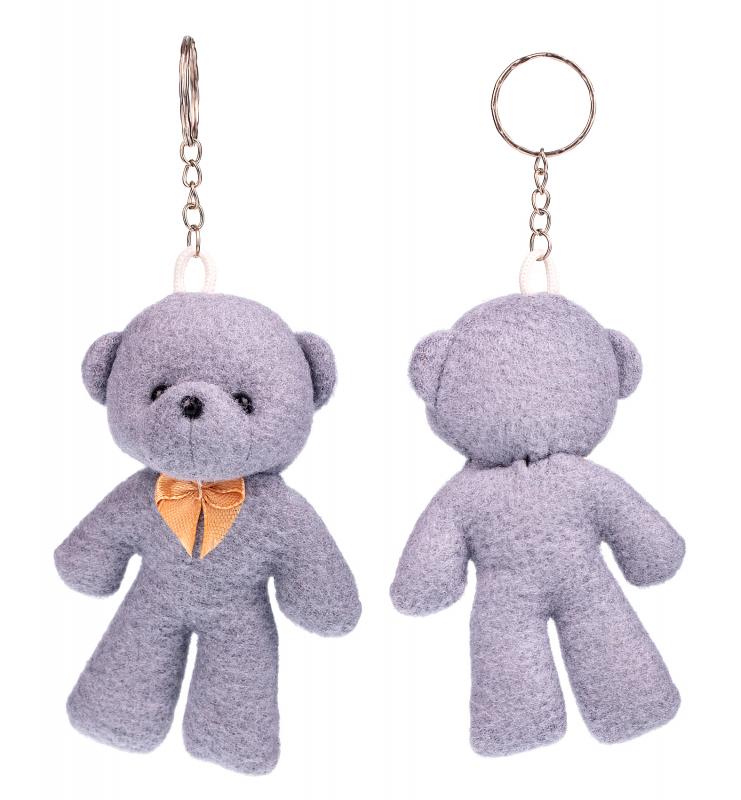
Photo: AdobeStock I 照片:AdobeStock
有趣的是,專家認為,將絨毛玩具融入日常時尚可以提供情感安慰和減輕壓力。神經科學研究顯示,看到可愛的事物會刺激大腦的快樂中樞。在當今快節奏且高壓的社會中,攜帶可愛的東西可以作為一種小型但有效的應對機制。除此之外,毛茸茸玩具的柔軟觸感可以喚起安全感、懷舊感和快樂感,瞬間喚起童年溫暖的回憶。
這一趨勢的最新發展是:專門為展示絨毛玩具而設計的透明包(編按:這種透明小包包被稱為娃包)出現了。這些透明的塑膠小袋可以繫到更大的包包上,讓愛好者在展示他們最喜歡娃娃的同時保護它們。透過將童年的撫慰元素與成人的美學融合,人們找到了應對現代複雜生活的獨特方法。
Word in Use
1. dangle vi. 垂掛,懸吊
A single light bulb was dangling in the center of the living room. 客廳的正中央懸掛著一個燈泡。
2. deceive vt. 欺騙
The company was accused of deceiving customers with false advertising.
那家公司被指控使用不實廣告欺騙消費者。
3. accessory n. 配件,裝飾品
Sunglasses are both a fashion accessory and protection against UV rays.
太陽眼鏡是時尚配件,也能阻擋紫外線。
4. popularize vt. 使普及
Social media has helped popularize many new trends.
社群媒體有助讓許多新趨勢普及化。
5. convey vt. 傳達,傳遞
Emojis can convey ideas or feelings without the need to type a lot of words.
表情符號可以傳達想法或感受,而不需要打很多字。
Practical Phrases
1. adorn A with B 用 B 裝飾 A
adorn vt. 裝飾,使生色
Christmas trees are often adorned with trinkets and lights. 聖誕樹通常會以一些小飾物和燈飾來裝飾。
2. make a statement
(透過穿著、行為等)展現∕反映(態度、意見等)
The brand makes a statement about sustainability by using eco-friendly packaging.
那個品牌透過使用環保包裝展現出永續的態度。
3. attach A to B 將 A 繫在∕固定在 B 上
The traveler attached a name tag to his suitcase.
這名旅客把名牌繫在他的行李箱上。
4. fast-forward to + 時間 快轉到某時
fast-forward vi. 快轉
This semester has been so rough that I wish I could fast-forward to summer vacation.
這學期真的太艱難,我好希望能快轉到暑假。
To be continued tomorrow(明日待續)
https://www.taipeitimes.com/News/lang
聽文章朗讀及講解: https://ivy.pse.is/455bfu
本文出自常春藤解析英語雜誌: www.ivy.com.tw
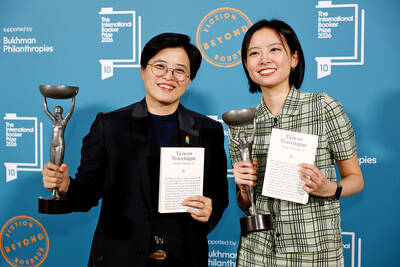
Taiwan Travelogue, the novel by Taiwanese author Yang Shuang-zi and translated into English by Lin King, won the prestigious International Booker Prize in London on May 19. It marks the first time a Taiwanese literary work has received the International Booker Prize, setting a historic milestone both for Taiwanese literature and for the award itself. Prior to this achievement, Taiwan had only once appeared on the Booker radar, when Taiwanese author Wu Ming-yi was longlisted for the Booker Prize in 2018 with The Stolen Bicycle. The International Booker Prize honors works of fiction translated into English and published in the UK or Ireland.
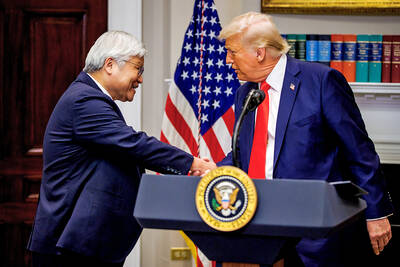
A: Time magazine recently released its list of “The 100 Most Influential People of 2026.” It’s categorized into six groups: Artists, Pioneers, Titans, Icons, Leaders and Innovators. B: TSMC chairman C.C. Wei made the list this year. Which category is he in? A: Wei is actually among the Pioneers, with figures including Disney CEO Josh D’Amaro and MrBeast — the first YouTuber ever to surpass 400 million subscribers. B: Led by Wei, Taiwan’s “silicon shield” TSMC is the sixth-largest company in the world. A: As Nvidia founder Jensen Huang wrote in his introduction, “C.C. Wei is truly one of the
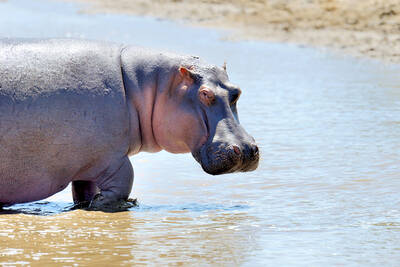
The animal kingdom is full of surprises that challenge our understanding of biology. From remarkable feeding mechanisms to extreme defense strategies, some creatures possess traits so unusual that they seem like pure fiction. Here are four fascinating examples that show nature’s endless creativity. The humble snail may appear simple, but its mouth tells a different story. Snails possess a ribbon-like tongue called a radula, densely covered with anywhere from 1,000 to 12,000 tiny teeth. This structure works like a cheese grater, allowing them to scrape and grind food with surprising efficiency. Far from being passive creatures, snails are actually
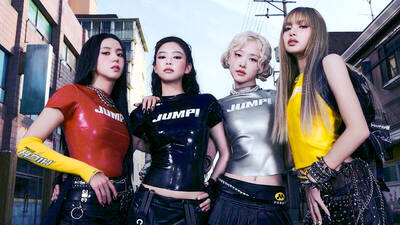
A: In the 2026 Time 100 list, besides TSMC chairman C.C. Wei in the Pioneers category, Blackpink’s Jennie also stands out in the Artists group. B: What about the Titans and Icons? A: The Titans include legendary fashion designer Ralph Lauren, Google CEO Sundar Pichai, and Intel CEO Tan Lip-bu. The Icons include actor Wagner Moura, Olympic gold figure skater Alysa Liu and singer Victoria Beckham. B: What about the Leaders and Innovators? I bet US President Donald Trump and Chinese President Xi Jinping are on the list. A: You got it. Other Leaders include Japanese PM Sanae


 RSS
RSS