


對話 Dialogue
清清:昨天剛放完中秋連假,禮拜五又是國慶連假了。
Qīngqing: Zuótiān gāng fàng wán Zhōngqiū liánjià, lǐbàiwǔ yòu shì Guóqìng liánjià le.
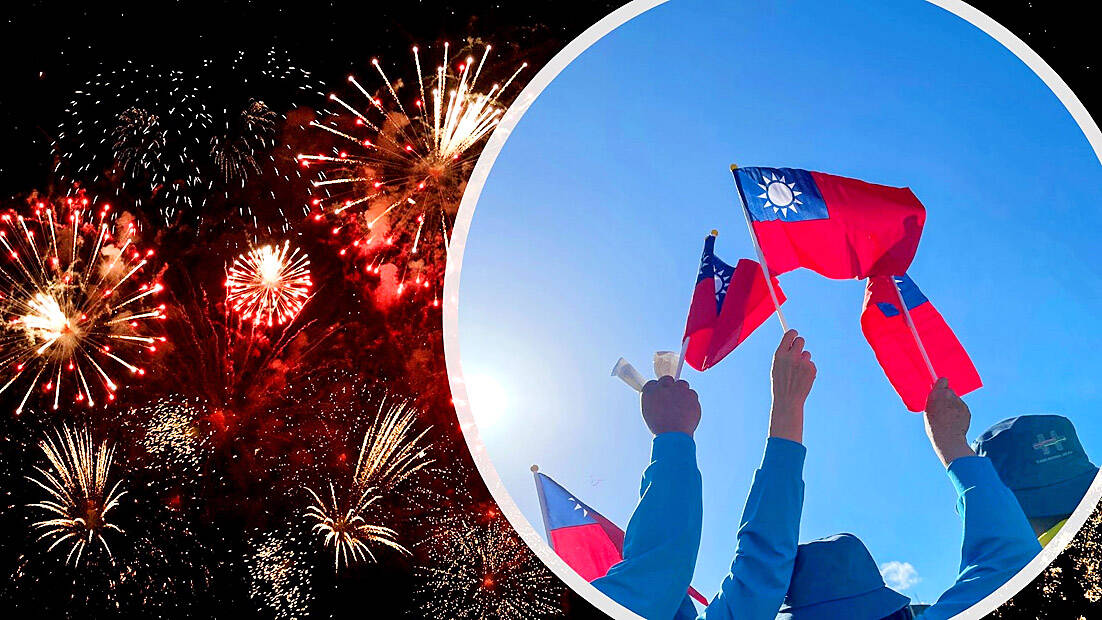
Photo: Unsplash 照片:Unsplash 提供
華華:是啊。最近連假特別多,其實假多,等收假回來,工作也堆得多。
Huáhua: Shì a! Zuìjìn liánjià tèbié duō, qíshí jià duō, děng shōujià huílái, gōngzuò yě duī de duō.
清清:先想放假啦。工作的事就再說。今年的雙十國慶煙火聽說在南投。
Qīngqing: Xiān xiǎng fàngjià la! Gōngzuò de shì jiù zàishuō. Jīnnián de Shuāngshí Guóqìng yānhuǒ tīngshuō zài Nántóu.
華華:對,10月9號、10號晚上在貓羅溪畔施放,連假期間南投還有世界茶業博覽會呢。
Huáhua: Duì, shíyuè jiǔ hào, shí hào wǎnshàng zài Māoluóxī pàn shīfàng, liánjià qíjiān Nántóu hái yǒu Shìjiè Cháyè Bólǎnhuì ne.
清清:南投的茶是臺灣名茶,能看煙火,還能喝到好茶,真不錯。
Qīngqing: Nántóu de chá shì Táiwān míngchá, néng kàn yānhuǒ, hái néng hēdào hǎochá, zhēn búcuò.
華華:如果怕人擠人,可以在線上看現場直播,一起為國家慶生。
Huáhua: Rúguǒ pà rén jǐ rén, kěyǐ zài xiànshàng kàn xiànchǎng zhíbò, yìqǐ wèi guójiā qìngshēng.
清清:說到看直播,差點忘了還有國慶晚會,今年在台中市區的文心森林公園舉辦。
Qīngqing: Shuōdào kàn zhíbò, chàdiǎn wàng le háiyǒu Guóqìng wǎnhuì, jīnnián zài Táizhōng shìqū de Wénxīn Sēnlín Gōngyuán jǔbàn.
華華:這麼說來,要趕快利用連假安排一個中臺灣之旅了。
Huáhua: Zhème shuōlái, yào gǎnkuài lìyòng liánjià ānpái yí gè Zhōng Táiwān zhī lǚ le.
翻譯 Translation
Qingqing: We just finished the Mid-Autumn Festival celebration yesterday, and this Friday is already the National Day holiday.
Huahua: That’s right. There have been so many long holidays lately. But the more holidays we get, the more work piles up when we return.
Qingqing: Let’s just think about the holiday first. Work can wait. I heard this year’s Double Ten National Day fireworks will be in Nantou.
Huahua: Yes, they’ll be set off by the Maoluo River on the evenings of October 9th and 10th. During the holiday, Nantou will also host the “World Tea Expo.”
Qingqing: Nantou tea is one of Taiwan’s famous teas. Watching fireworks while enjoying good tea sounds wonderful.
Huahua: If you don’t like crowds, you can watch the live broadcast online and celebrate the nation’s birthday together.
Qingqing: Speaking of watching live broadcasts, I almost forgot there’s also the National Day Gala this year, held at Wenxin Forest Park in downtown Taichung.
Huahua: In that case, we should quickly use the holiday to plan a trip to central Taiwan.
生詞 Vocabulary
1. 國慶 (Guóqìng) National Day
2. 連假 (liánjià) public holiday break, long weekend
3. 收假 (shōujià) return to work/school, end of the holiday
4. 堆 (duī) pile, heap up
5. 煙火 (yānhuǒ) fireworks
6. 畔 (pàn) by, beside, along (a river, lake…)
7. 博覽會 (bólǎnhuì) expo, fair, trade fair, trade show
8. 森林 (sēnlín) forest
教材音檔 Audio Files
國立清華大學華語中心提供
By National Tsing Hua University Chinese Language Center:
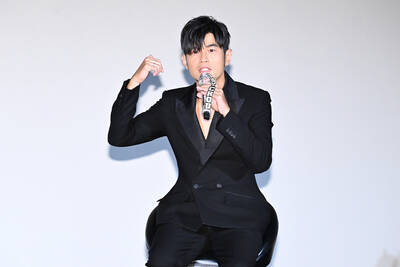
A: Several Japanese and South Korean acts, such as BigBang, are participating in this year’s Coachella Music Festival. Have any Mando-pop singers ever performed at Coachella? B: Yup, K-pop group GOT7’s Hong Kong member Jackson Wang, and Taiwanese band Sunset Rollercoaster, which primarily performs in English, attended the festival before. A: It’s a pity that we didn’t fly to Coachella. But in fact, Taipei has also gradually become an Asian music hub in recent years. B: That’s true. K-pop sensation Twice just held three concerts at the Taipei Dome, followed by Hong Kong singer G.E.M., who is going

Many of us face common health challenges: tired eyes from long screen use, the search for anti-aging support and the need for weight control without resorting to restrictive diets. While no single food is a miracle cure, berries offer targeted, evidence-based nutritional support that’s easy and delicious to add to your daily routine. For overall immunity and healthy skin, vitamin C is essential. Strawberries provide roughly 10 percent more vitamin C than oranges, while blackcurrants deliver three to four times as much. These tasty fruits also contain abundant polyphenols, which help the body manage oxidative stress, support overall

Concertgoers know the rush all too well — the moment the first notes play, your heart races, and nothing else seems to matter. For many, the excitement doesn’t end when the lights come back on. Some fans try to relive the performance by listening to the same songs for days afterward. __1__ A few days after an amazing show, they begin to feel unexpectedly low. Psychologists have coined a term for this phenomenon: “post-concert depression,” or “PCD.” PCD is primarily related to hormone levels. When you’re at a concert, the excitement causes your brain to release feel-good chemicals like
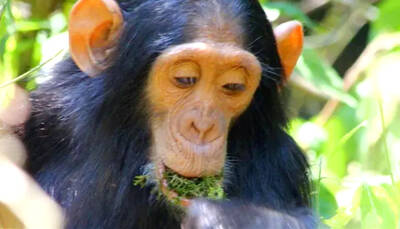
A new study suggests that chimpanzees can weigh evidence and make rational judgments. In the experiment, researchers placed two boxes in front of the chimpanzees. One box was set up to give strong evidence, such as letting the chimpanzees actually see food inside. The other was designed to provide weak evidence, like producing a rattling sound when it was shaken. The chimps consistently chose the box with strong evidence, even when the weaker clue appeared first. This indicated that they were not fooled by the order of presentation. In another trial where no strong evidence was available, the chimps


 RSS
RSS