


本文由生成式AI協作,本刊編輯編修。
The name of a dish often provides clues about what to expect. Names can paint a vivid picture, but they may also be misleading when they have little to do with what’s actually on the plate. Some people have shared their personal experiences of such dishes on social media.
(A) Dolly
Photos: AdobeStock I 照片:AdobeStock
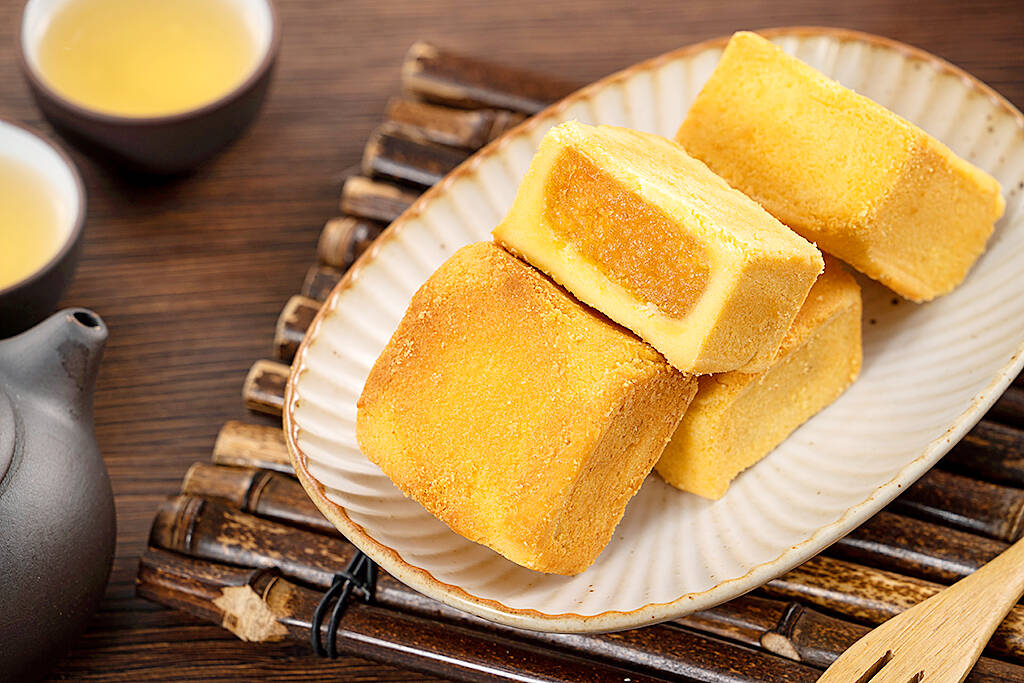
I’ll never forget the sense of betrayal I felt when I first ate Taiwan’s pineapple cake because there was barely any pineapple inside! When I questioned the store clerk, she explained that early pineapple cakes blended winter melon with pineapple to reduce acidity. Many producers now eliminate the sour fruit entirely to make the pastry sweeter. She introduced the version with pure pineapple to me, and I fell totally in love with it.
(B) Gary
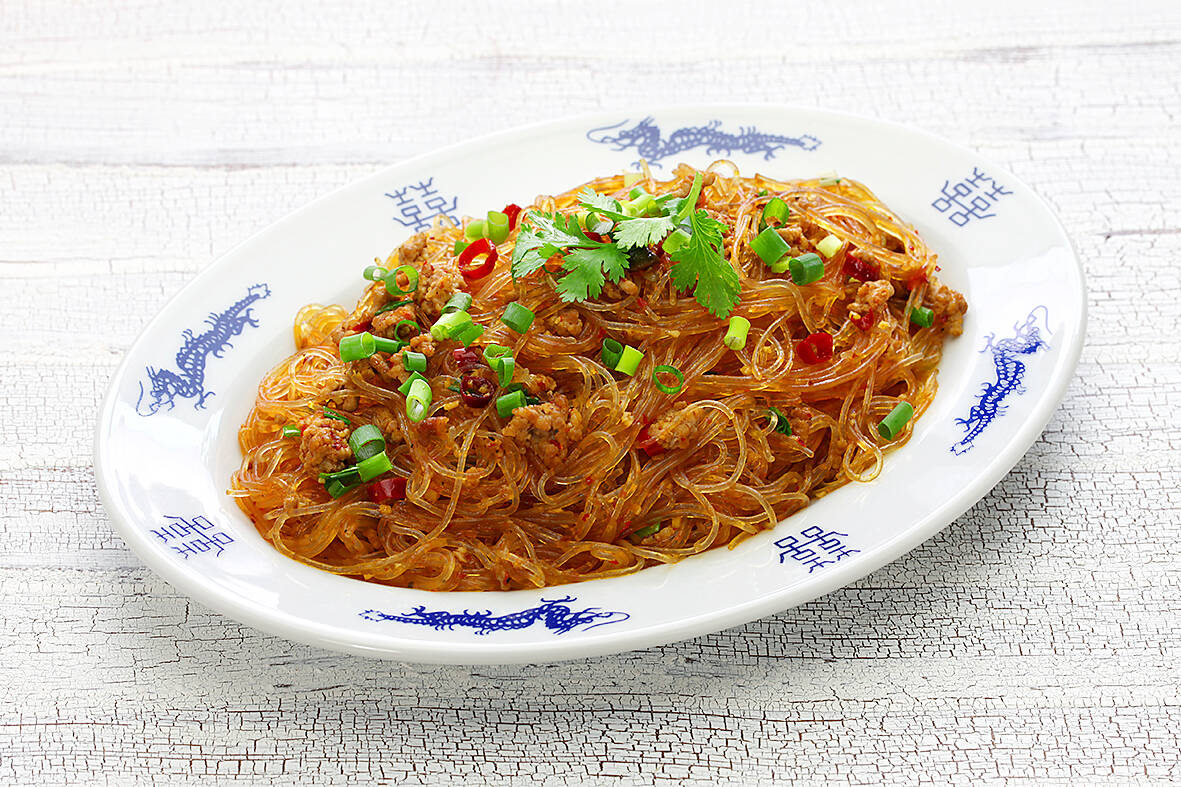
The first time I saw Ants Climbing a Tree on the menu, I thought it was an exotic insect recipe. However, the name is actually more about the visual resemblance. The “ants” are the tiny pieces of stir-fried ground meat that cling to strands of cellophane noodles, which represent the “tree.” I love its savory taste with the noodles soaking up the spicy sauce.
Photos: AdobeStock I 照片:AdobeStock
(C) Tanya
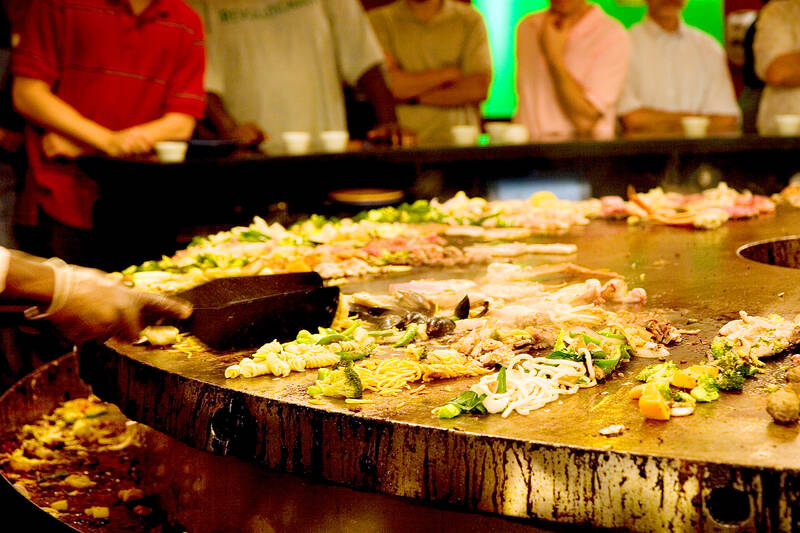
Do you know Mongolian Barbecue is neither a Mongolian dish nor a kind of barbecue? When I first tried it at a night market in Taiwan, I saw the cook stir-fry a mix of meats, vegetables, and sauce on a large iron griddle. Curious about its origin, I did some research and found that it was invented in Taiwan by a man from Beijing. He based this dish on a type of barbecue from his hometown and chose an unrelated place for the name to avoid political issues.
一道菜的名稱通常會提供讓人能有所預期的線索。名稱可以描繪出鮮明的畫面,但當名字與盤內實際的食物幾乎沾不上邊時,也可能會誤導人。有些人在社群媒體上分享了這類菜餚的個人經驗談。
Photos: AdobeStock I 照片:AdobeStock
(A) 朵莉
我永遠忘不了我第一次吃臺灣的鳳梨酥時所感受到的背叛感,因為裡面幾乎沒有鳳梨!當我詢問店員時她解釋道,早期的鳳梨酥混合了冬瓜和鳳梨來降低酸度。現在許多製造商完全去除了這個酸酸的水果來讓這種糕餅更香甜。她介紹了純鳳梨的版本給我,而我完全愛上這款鳳梨酥。
(B) 蓋瑞
我第一次在菜單上看到螞蟻上樹時,我以為這是一種異國的昆蟲食譜。但是,這個名稱其實比較是與視覺上的相似有關。「螞蟻」是一塊塊細碎的炒絞肉,而這些絞肉黏著一條條冬粉 ―― 代表「樹」。我很喜歡冬粉吸收了辣醬汁的鹹鹹滋味。
(C) 譚雅
你知道蒙古烤肉既不是蒙古菜也不是一種烤肉嗎?當我第一次在臺灣的夜市吃到時,我看到廚師在一個大鐵盤上炒著各種肉、蔬菜和醬汁。我很好奇這道菜的起源,便做了一些研究,我發現蒙古烤肉是一位北京人在臺灣發明的。他以自己家鄉的一種烤肉為基礎做出蒙古烤肉,並選了一個毫無相關的地點來命名以避開政治議題。
Words in Use
1. clue n. 線索
The detective found an important clue at the scene of the crime.
那名警探在犯罪現場發現了一個重要線索。
2. vivid a. 鮮明的,生動的
I was quite impressed with the novel’s vivid description of country life.
這本小說對鄉間生活的生動描述讓我印象相當深刻。
3. misleading a. 誤導的
Some scientific studies can be misinterpreted due to misleading data representation.
有些科學研究可能會因為資料的呈現方式有誤導性而被曲解。
4. barely adv. 幾乎沒有
Due to the heavy fog, the street signs were barely visible.
因為濃霧,路標幾乎看不見。
5. version n. 版本
Leo’s version of the story differed significantly from what the other witnesses described.
里歐針對那件事所訴說的版本與其他目擊者大相逕庭。
Practical Phrases
1. paint a/an + Adj. + picture 描繪∕呈現……的畫面
Our CEO’s motivational speech painted a hopeful picture of the company’s future.
我們執行長勵志的演說描繪出公司充滿希望的未來。
2. have little to do with. . . 和……沒什麼關係
My disappointment in the cafe had little to do with the food quality.
我對那間咖啡廳的失望和其食物品質沒什麼關係。
3. cling to. . . 黏著∕纏著∕緊緊抓著……
cling vi. 黏著,纏著
Snowflakes clung to the branches of trees, creating a picturesque winter scene.
雪花依附著樹枝,創造出美如畫的冬日景色。
4. soak up. . . / soak. . . up 吸收……
I used some paper towels to soak up the spilled juice.
我用一些紙巾將打翻的果汁吸乾。
5. do research (on / into. . .) 進行(……的)研究
= conduct / carry out research
Dr. Lee spent years doing research on animal behavior.
李博士花了數年的時間做了關於動物行為的研究。
To be continued tomorrow(明日待續)
https://www.taipeitimes.com/News/lang
聽文章朗讀及講解: https://ivy.pse.is/455bfu
本文出自常春藤解析英語雜誌: www.ivy.com.tw
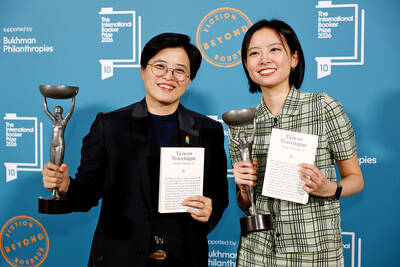
Taiwan Travelogue, the novel by Taiwanese author Yang Shuang-zi and translated into English by Lin King, won the prestigious International Booker Prize in London on May 19. It marks the first time a Taiwanese literary work has received the International Booker Prize, setting a historic milestone both for Taiwanese literature and for the award itself. Prior to this achievement, Taiwan had only once appeared on the Booker radar, when Taiwanese author Wu Ming-yi was longlisted for the Booker Prize in 2018 with The Stolen Bicycle. The International Booker Prize honors works of fiction translated into English and published in the UK or Ireland.
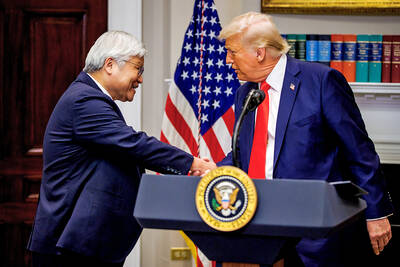
A: Time magazine recently released its list of “The 100 Most Influential People of 2026.” It’s categorized into six groups: Artists, Pioneers, Titans, Icons, Leaders and Innovators. B: TSMC chairman C.C. Wei made the list this year. Which category is he in? A: Wei is actually among the Pioneers, with figures including Disney CEO Josh D’Amaro and MrBeast — the first YouTuber ever to surpass 400 million subscribers. B: Led by Wei, Taiwan’s “silicon shield” TSMC is the sixth-largest company in the world. A: As Nvidia founder Jensen Huang wrote in his introduction, “C.C. Wei is truly one of the
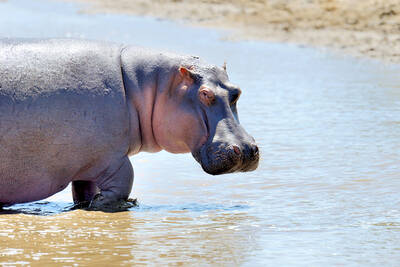
The animal kingdom is full of surprises that challenge our understanding of biology. From remarkable feeding mechanisms to extreme defense strategies, some creatures possess traits so unusual that they seem like pure fiction. Here are four fascinating examples that show nature’s endless creativity. The humble snail may appear simple, but its mouth tells a different story. Snails possess a ribbon-like tongue called a radula, densely covered with anywhere from 1,000 to 12,000 tiny teeth. This structure works like a cheese grater, allowing them to scrape and grind food with surprising efficiency. Far from being passive creatures, snails are actually

A: In the 2026 Time 100 list, besides TSMC chairman C.C. Wei in the Pioneers category, Blackpink’s Jennie also stands out in the Artists group. B: What about the Titans and Icons? A: The Titans include legendary fashion designer Ralph Lauren, Google CEO Sundar Pichai, and Intel CEO Tan Lip-bu. The Icons include actor Wagner Moura, Olympic gold figure skater Alysa Liu and singer Victoria Beckham. B: What about the Leaders and Innovators? I bet US President Donald Trump and Chinese President Xi Jinping are on the list. A: You got it. Other Leaders include Japanese PM Sanae


 RSS
RSS