


Social Distancing 的“social” 是指什麼?
各國政府為了控制疫情,都提出寬嚴不一的social distancing 措施,所謂 social distancing,就是透過非藥物的感染控制手段 (nonpharmaceutical interventions) 隔離人群,避免、減少人際接觸,以減少感染機會,讓死亡率降到最低 (minimize disease transmission and mortality)。
Social distancing 最適用於會透過飛沫傳染 (droplet contact)、直接/間接接觸傳染 (direct/indirect physical contact) 以及空氣傳染 (airborne transmission) 的傳染病,因為將人群隔離、減少接觸,可以有效阻絕病毒傳播。具體的措施有:鼓勵人待在家、限制外出、外出時保持人與人之間的距離等。
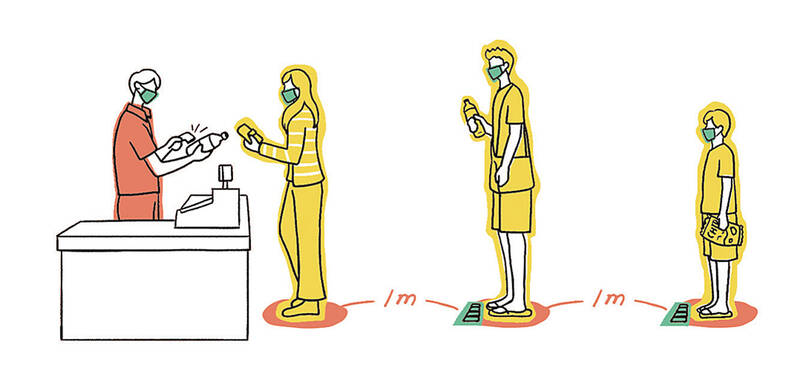
Photo/Graphic courtesy of Bookman l 圖片:書林
但是,社會心理學也有一個很接近的術語 Social Distance(社會距離),應注意兩者不要混淆。
「社會距離」係指人與人、群體與群體之間的等級或關係親疏的程度。譬如生活在大都會的民眾,要接觸很多人,為保持自己心理的平衡,都市人不過分熱情,個體與外界保持距離,甚至鄰居互不往來。
Social distancing 是為了防止疾病傳播,保持(人際/社交)安全距離,social distancing 的 social一詞,指的是「人際」、「社交」,不宜直譯為「社會」。
另有少部分華文報導譯為「社交隔離」:
社交隔離值不值?剖析經濟學 vs. 流行病學的量化權衡
(2020 年4 月27 日,《華爾街日報》)
但如此一來,又容易與另一個心理學名詞 social isolation(社交隔離/社交孤立)搞混,所以不宜如此翻譯。
防疫必備詞彙:社交距離
社交距離 social distancing
避免人潮 avoid crowds
集中檢疫 collective quarantine
接觸者追蹤 contact tracing
遏制疫情 contain the epidemic
防疫破口 infection control breach
文章由書林出版公司提供:
www.bookman.com.tw
蘇正隆 — 台灣翻譯學學會前理事長、師大翻譯研究所兼任副教授; 編著《英語的對與錯》,《世紀病毒:必讀防疫英文知識與詞彙》...等
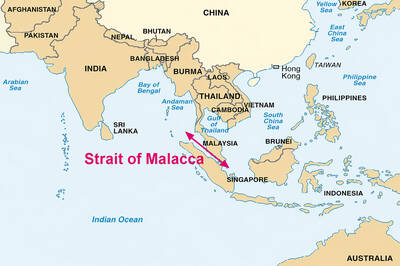
The closure of the Strait of Hormuz has forced policymakers in Asia to face questions over the security of other maritime chokepoints, including the Strait of Malacca, which is the world’s busiest waterway for international trade. WHAT IS THE MALACCA STRAIT? The 900km long Malacca Strait, bounded by Indonesia, Thailand, Malaysia and Singapore, provides the shortest sea route from East Asia to the Middle East and Europe. It carries nearly 22 percent of the world’s maritime trade, according to the Center for Strategic and International Studies (CSIS). This includes oil and gas shipments from the Middle East to the energy-hungry economies of China,

Cameras are everywhere — in our pockets, on our walls and even in space. They capture emotions, preserve history and reflect culture. Through these devices, photography is now essential to modern life, influencing how we perceive ourselves and the world. To understand the root of their power, let’s explore the camera’s remarkable journey. The story begins with the camera obscura, a dark room with a tiny hole. Light passing through the opening projected an inverted image on the opposite wall. Renaissance artists used this principle to paint accurate scenes. However, these images couldn’t be preserved as photographs. That changed

A: This year’s two most anticipated films have finally hit theaters in Taiwan. “Michael” premiered last Wednesday, while “The Devil Wears Prada 2” premiered this Wednesday ahead of its global release. B: Isn’t “Michael” the biopic about the late King of Pop Michael Jackson? A: Yup, it tells the story of Michael’s legendary life, from child star to global icon. And the role is in fact played by his nephew, Jaafar Jackson. B: Michael caused a sensation when touring Taiwan twice in 1993 and 1996. His classic hits, dance moves and music videos reshaped global pop culture at that time. A: I’m gonna
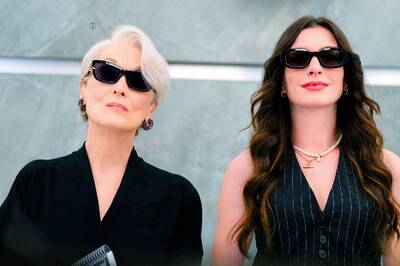
A: In addition to the biopic “Michael,” comedy “The Devil Wears Prada 2” is finally in theaters. I can’t believe it’s been 20 years since the 2006 debut of the original film. B: Does the sequel still revolve around the fashion industry? A: This time, “Miranda,” the fashion magazine editor-in-chief played by Meryl Streep, will team up with her former assistant “Andy,” played by Anne Hathaway, to fight against Emily, her other ex-assistant played by Emily Blunt. B: Isn’t the role of “Miranda” based on then US “Vogue” editor-in-chief Anna Wintour? A: Yup, it established Anna’s fashion status, influenced pop culture


 RSS
RSS