


Have you ever wondered about the odd name “eggplant” or heard of its bizarre nickname, the “mad apple”? The tales behind these names are just as unusual as the vegetable’s appearance.
The name “eggplant” dates back to the 18th century. It wasn’t inspired by the familiar long, purple type we often see and enjoy in Taiwan. Instead, it was a unique variety, which was small, egg-shaped and white, that earned it its name. While the British were in India, this particular form caught their attention. It prompted them to adopt the term “eggplant.” Even though new eggplant varieties in all sorts of shapes and colors were discovered, its English name endured.
The story takes an interesting turn when we hop over to mainland Europe. Here, the eggplant gained another amusing name—the “mad apple.” This curious label came from an old belief tied to the vegetable’s Italian name, melanzana, which translates to “insane apple.” As this name suggests, people in the past thought eating eggplants could drive a person mad. This odd nickname has somehow managed to stick around.
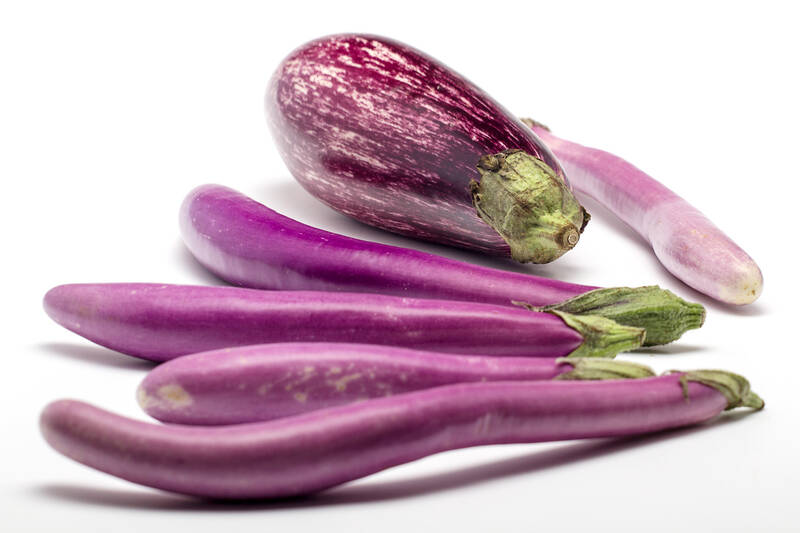
Photo courtesy of Wikimedia commons / 照片:維基共享資源提供
Next time you’re slicing an eggplant or enjoying a dish with this ingredient, remember the story behind it. After all, each bite is not only a delicious delight but also a fun taste of history.
你是否曾經對茄子的奇怪英文名字「eggplant」(蛋果植物)感到好奇過,或聽說過它奇怪 的英文綽號「mad apple」(瘋狂蘋果)呢?這些名字背後的故事如同這種蔬菜的外觀一樣不尋常。
「eggplant」這個名字可以追溯到西元18世紀。這個名字的靈感並不是來自於我們在臺灣常見與食用的那種長形紫色茄子。相反,正是一個又小又白、呈現蛋狀的獨特茄子品種讓茄子得到「eggplant」的英文名字。過去當英國人在印度時,這種特殊的形狀吸引了他們的注意。這促使他們採用了「eggplant」這個詞。即使後來還發現了各種形狀和顏色的茄子新品種,茄子的英文名字卻沿用了下來。
故事在我們轉向歐洲大陸時出現了有趣的轉折。在這裡,茄子獲得了另一個有趣的名字—「mad apple」。這個奇怪的綽號來自於和茄子的義大利文名字「melanzana」相關的一個古老的看法,這個名字翻譯過來的意思是「瘋狂蘋果」。正如這個名字所示,過去的人們認為吃茄子可能會讓人變得瘋狂。這個奇怪的綽號不知怎麼地就一直流傳至今!
下次當你切茄子或享用含有這種食材的菜餚時,要記得它背後的故事。畢竟,咬下去的每一口不僅是美味的享受,也是有趣的歷史體驗!
MORE INFORMATION
bizarre adj. 奇異的;古怪的
mainland adj. 大陸的;本土的
KEY VOCABULARY
1. odd adj. 古怪的;奇特的
With its tiny body, flat face and large eyes, the tarsier may be one of the oddest animals you’ll ever see.
眼鏡猴身體嬌小、臉部扁平、眼睛很大,可能會是你見過最古怪的生物之一。
2. nickname n. 綽號;暱稱
John’s nickname is “Bear” because he’s big and strong.
約翰的綽號是「熊」,因為他又高又壯。
3. familiar adj. 熟悉的;常見的
The familiar sounds of my neighborhood come in through my window every morning.
每天早上,街頭巷尾熟悉的聲音都會從我的窗戶傳入。
4. variety n. 品種;種類;多樣性
This variety of apple is known for its particularly crisp texture and sweet taste.
這個品種的蘋果以其特別清脆的口感和甜味而聞名。
5. endure v. 持續存在;忍受
The impact of the artist’s work has endured over time, inspiring generations.
這位藝術家的作品影響力歷久不衰,啟發各個世代。
6. translate v. 翻譯;轉化為
We can now use computer programs to help us translate our documents into different languages.
我們現在能使用電腦程式來協助我們將文件翻譯成不同語言。
7. somehow adv. 以某種方式;不知何種原因
比較:somewhat adv. 有點;稍微
Eva somehow convinced her parents to let her go on the trip with her friends.
伊娃以某種方式成功說服了父母讓她和朋友一起去旅行。
學習音檔: https://magazine.english4u.net/Magdata/menu/ey0ui
《空中美語》雜誌APP免費下載: https://www.english4u.net/apps/index.aspx
免費收聽當月《空中美語》雜誌課文朗讀及解析 !
文章由AMC空中美語授權使用: https://www.english4u.net
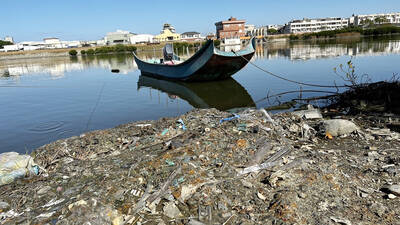
Many consumers are guilty of filling drawers or closets with old laptops, cellphones, fitness trackers and other electronic devices once they are no longer needed. It’s hard to know where to recycle such items, or it seems costly and inconvenient to do so. The world generates millions of tons of electronic waste — also called e-waste — each year. According to the UN’s most recent estimate, people worldwide produced 62 million metric tons of e-waste in 2022, and only about 22 percent of it was properly recycled. The US’ Environmental Protection Agency estimates that less than a quarter of e-waste is
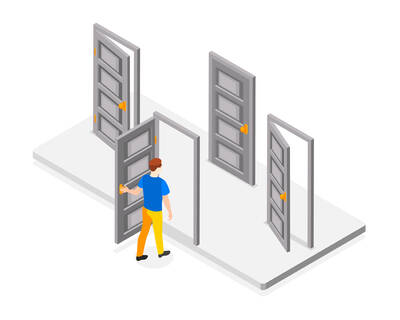
You’re sitting in class when a classmate asks to borrow a pencil. It seems like a small favor, so you agree without hesitation. The following week, the same classmate asks to share your notes. Later, they request help with a group project. You agree each time — after all, you helped out the first time — but before you know it, it has become automatic. This scenario demonstrates the “foot-in-the-door technique,” a psychological concept that shows how agreeing to small, acceptable demands makes it easier to accept larger ones later on. The name for this strategy comes from door-to-door

A: The four-day Tomb Sweeping Day long weekend begins Friday and will run until Monday. Are you going to sweep your ancestors’ tombs? B: I did in advance last weekend, so I can go to Kaohsiung to see the musical “The Phantom of the Opera.” A: Wow, is “Phantom” touring Taiwan again? It debuted in 1986, so this year marks the 40th anniversary of the show. B: And it’s not just touring Kaohsiung starting March 31, but also Taipei starting April 21 and Taichung starting May 26. A: “Phantom” is one of the world’s Four Major Musicals. I’ve seen all of them, except “Les

Dos & Don’ts — 想想看,這句話英語該怎麼說? 1. 我們很早到達電影院。 ˇ We arrived at the theater very early. χ We arrived the theater very early. 註︰arrive 為不及物動詞,後面如果有受詞要用 at 或 in。例如:They arrived in Taipei yesterday.。一般大地方,如國家、省、大城市等前面用 in,凡小地方城鎮、學校等則用 at。 2. 開車半小時以後,我們到達了海灘。 ˇ After half an hour’s drive, we got to the beach. χ After half an hour’s drive, we got the beach. 註︰come, go, get(來、去、到達)某地時,在表示地點的名詞前面應該用 to,如 go to school, go to Taipei, come to Shanghai 等。如果這些動詞後面所跟的是 here, there, home 等副詞,則不用 to。 3. 明天我會回辦公室。 ˇ I will be back in the office tomorrow. χ I will be back to office tomorrow. 註︰to be back 一語裡的 back 是副詞,不是介詞,所以後面要用 at (the market) 或 in (the office)。 假如假期結束,要回學校上課了則可說: ? Kids will be back


 RSS
RSS