


A: Apart from BTS’ J-Hope and EXO’s Xiumin, Hong Kong singer Eason Chan is holding six concerts in Kaohsiung.
B: And versatile British musician Jacob Collier is visiting Taiwan for the first time, performing in New Taipei City tonight.
A: US singer Lauv and rock band LANY will also stage individual shows in Kaohsiung next week.

Photo: Reuters 照片:路透
B: Plus, Singaporean singer JJ Lin will hold two concerts at the Taipei Dome in early June.
A: Which show are you going to?
A: 除了BTS的J-Hope和EXO的Xiumin,香港歌王陳奕迅正在高雄熱唱6場。
B: 而多才多藝的英國歌手雅各柯里爾首度訪台,今晚即將在新北開唱!
A: 美國歌手洛夫、搖滾樂團藍尼下週也分別在高雄演出。
B: 此外新加坡歌王林俊傑則將於6月初,首次挑戰台北大巨蛋嗨唱兩場。
A: 你想去聽誰的演唱會?
(By Eddy Chang, Taipei Times/台北時報張迪)

A: In addition to the biopic “Michael,” comedy “The Devil Wears Prada 2” is finally in theaters. I can’t believe it’s been 20 years since the 2006 debut of the original film. B: Does the sequel still revolve around the fashion industry? A: This time, “Miranda,” the fashion magazine editor-in-chief played by Meryl Streep, will team up with her former assistant “Andy,” played by Anne Hathaway, to fight against Emily, her other ex-assistant played by Emily Blunt. B: Isn’t the role of “Miranda” based on then US “Vogue” editor-in-chief Anna Wintour? A: Yup, it established Anna’s fashion status, influenced pop culture
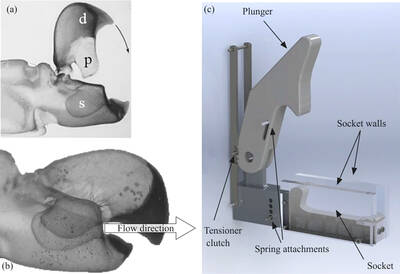
Few sea creatures of their size have as much destructive power as pistol shrimp. These small animals, usually measuring around four centimeters long, produce shock waves that can stun or even kill their prey. The attack begins when the shrimp opens its specialized claw, allowing water to fill a chamber inside. Then the claw closes rapidly. A bump on the claw strikes the chamber, forcing the trapped water out through a narrow opening at a high speed of about 25 meters per second. The rapid movement forms a bubble in the water that collapses almost instantly under the pressure of the

★ Bilingual Story is a fictionalized account. 雙語故事部分內容純屬虛構。 Rain hammered the roof in hard, uneven bursts. “Hold him still!” Baosheng pressed one hand against the stranger’s brow as the man twisted on the wooden bed. His left eye was swollen shut. The right one burned red like a coal. “It feels like fire,” the man gasped. “Like something is clawing inside.” Thunder rolled across the mountain. Baosheng leaned closer. The man’s skin was cold, but heat rose from his face. A strange smell hung in the air. He began the four methods of diagnosis: looking, listening/smelling,
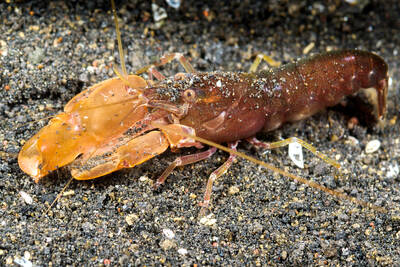
Continued from yesterday(延續自昨日) https://www.taipeitimes.com/News/lang One way to monitor marine biodiversity is to send divers down to take photos and notes; however, this method is expensive, time-consuming, and sometimes risky. On coral reefs, noise is an indicator of a healthy seabed. This is largely thanks to pistol shrimp, which often live inside sea sponges on coral reefs. The healthier the reef, the more pistol shrimp it hosts. This makes them perfect biological indicators. However, counting them visually is tricky because they often stay hidden. To address this, scientists turn to sound. Pistol shrimp snaps are loud, short, and rich in energy. They stand out


 RSS
RSS