


When users get asked on iPhone devices if they’d like to be tracked, the vast majority say no. That’s worrying Facebook Inc.’s advertisers, who are losing access to some of their most valuable targeting data and have already seen a decrease in effectiveness of their ads.
The new prompt from Apple Inc., which arrived in an iOS software update to iPhones in early June, explicitly asks users of each app whether they are willing to be tracked across their Internet activity. According to Branch, which analyzes mobile app growth, people are giving apps permission to track their behavior just 25 percent of the time, severing a data pipeline that has powered the targeted advertising industry for years.
Facebook advertisers in particular have noticed an impact in the last month. Media buyers who run Facebook ad campaigns on behalf of clients said Facebook is no longer able to reliably see how many sales its clients are making, so it’s harder to figure out which Facebook ads are working. It also makes it more difficult to “re-target” people with ads that show users items they have looked at online, but may not have purchased.
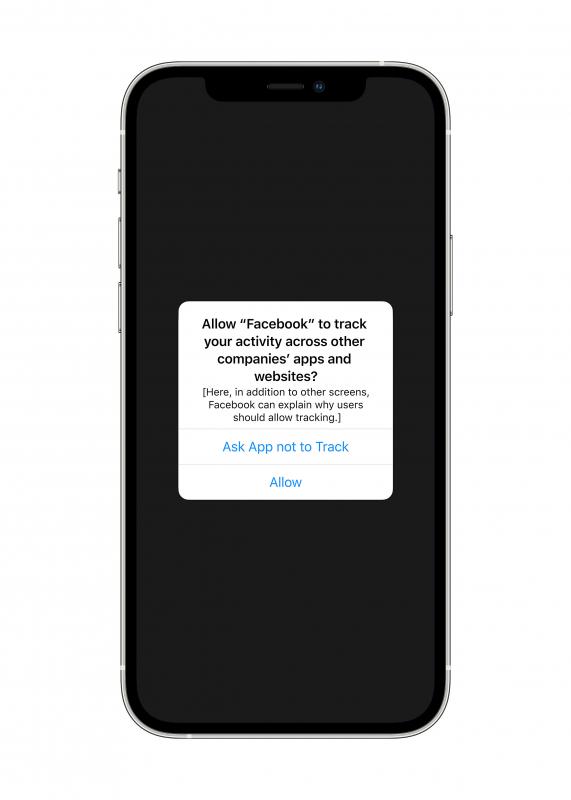
Photo courtesy of Apple Inc 照片:蘋果公司提供
Apple has made privacy a foundation of the company’s latest marketing effort around the iPhone. The privacy changes apply to all app developers on the iPhone, not just Facebook.
But the social network has been protesting the loudest, arguing for months that Apple’s new privacy features would hurt small businesses that rely on targeted advertising — and make up the bulk of the company’s sales.
(Bloomberg)
當iPhone問使用者是否願意被追蹤時,絕大多數的人說不。這令臉書的廣告商憂心,因為他們對一些最有價值的目標式廣告數據正失去掌握,並已見到他們的廣告效果降低。
這個新提示是蘋果公司六月初所發布的iPhone作業系統iOS軟體更新中加入的,在每個應用程式都明確詢問用戶是否願意讓該程式追蹤其網路活動。分析手機應用程式成長的Branch公司表示,人們允許應用程式追蹤其行為的時間只有百分之二十五,切斷了多年來提供數據、讓目標廣告產業賴以生存的管道。
這對臉書的廣告商而言尤其如此,他們在上個月已注意到此衝擊。代表客戶經營臉書廣告活動的媒體購買者表示,臉書不再能夠確實了解其客戶的銷售額,因此更難估算出哪些臉書廣告是有效的。這也使得「再行銷」──向用戶展示他們在網路上看過,但可能並未購買之商品的廣告──變得更加困難。
蘋果公司以隱私為基礎,將之作為行銷iPhone的最新賣點。對於隱私之更動,適用所有的iPhone應用程式開發者,而不只是臉書。
但臉書這社群網站的抗議之聲一直最響亮,數月來不斷主張,蘋果新的隱私功能會傷害依賴目標式廣告的小型企業——這也是臉書營收大部分的來源。
(台北時報林俐凱編譯)


A: Isn’t the 2026 Coachella Valley Music and Arts Festival — a massive music event held every April — about to open in California? B: Yeah the festival is set to take place over two weekends, from April 10 to 12 and 17 to 19, US time. A: I heard this year’s main stage headliners include Sabrina Carpenter, Justin Bieber, Karol G and EDM DJ Anyma. B: The K-pop army is also making an appearance, with legendary group BigBang, SHINee member Taemin and girl group Katseye debuting for the first time. A: Isn’t Coachella also live-streamed on its YouTube

★ Bilingual Story is a fictionalized account. 雙語故事部分內容純屬虛構。 Lucas was already on the ground before he fully understood what was happening. “Hurry! Kneel down!” someone shouted. The asphalt was warm against his knees. Around him, dozens of people lay flat in the narrow street outside Jenn Lann Temple in Dajia. Some pressed their hands together in prayer. Others closed their eyes. Lucas had only come to look at the temple. An hour earlier he had stepped into the noisy courtyard out of curiosity. Inside the main hall, people held incense sticks, bowed three times,

You might think knitting is only for grandmas, but surprisingly, many young people are embracing so-called “grandma hobbies.” On social media platforms, activities such as home cooking, embroidery and gardening are becoming popular among teenagers and young adults who are drawn to their relaxing and creative nature. “Grandma hobbies” typically refer to activities that are slow-paced, handmade and nostalgic. Common examples include knitting scarves, baking cookies, sewing clothes and growing plants. These hobbies were once part of everyday life for many women in previous generations, but today they provide an escape from the fast-paced digital world. The appeal
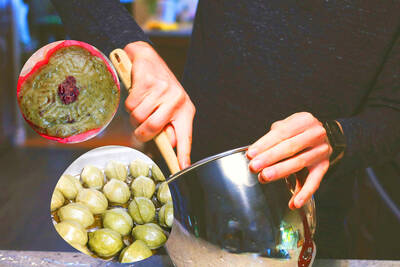
對話 Dialogue 清清:我連假回老家掃墓,帶了一些草仔粿回來,你要不要吃吃看? Qīngqīng: Wǒ liánjià huí lǎojiā sǎomù, dài le yìxiē “tsháu-á-kué” huílái, nǐ yào bú yào chī chī kàn? 華華:哇!看起來就很好吃。這是你們家自己做的嗎? Huáhua: Wa! Kàn qǐlái jiù hěn hǎochī. Zhè shì nǐmen jiā zìjǐ zuò de ma? 清清:對啊,是我阿姨親手做的。每年清明節她都會做。 Qīngqīng: Duì a, shì wǒ āyí qīnshǒu zuò de. Měinián Qīngmíng jié tā dōu huì zuò. 華華:你阿姨手藝真好!看起來好像外面賣的。 Huáhua: Nǐ āyí shǒuyì zhēn hǎo! Kàn qǐlái hǎoxiàng wàimiàn mài de. 清清:口味有鹹的,也有甜的。 Qīngqīng: Kǒuwèi yǒu xián de, yě yǒu tián de. 華華:聞起來好香!裡面包什麼? Huáhua: Wén qǐlái hǎo xiāng! Lǐmiàn bāo shénme? 清清:鹹的是蘿蔔絲的,甜的有紅豆口味和綠豆口味的。你想要哪種? Qīngqīng: Xián de shì luóbo sī de, tián de yǒu hóngdòu kǒuwèi hàn lǜdòu kǒuwèi de. Nǐ xiǎng yào nǎ zhǒng? 華華:我不挑食,哪種都可以,你幫我選吧。謝謝你跟我分享! Huáhua: Wǒ bù tiāoshí, nǎ


 RSS
RSS