


Taiwanese King of Pop Jay Chou has shared his love for not only music but also art with fans, as he organized Sotheby’s first “Contemporary Curated: Asia” auctions that took place in Hong Kong on Friday last week. Total auction sales of all 46 artworks handpicked by him exceeded NT$3.1 billion (about US$83 million).
Debuted in 2000, the 42-year-old Chou has sold more than 30 million records worldwide, and has more recently established a reputation as an art collector. He also raised nearly NT$10 million for charity by auctioning three stage outfits worn during concerts. The international auction company praised him for his vision in music and art, saying that this groundbreaking auction event would show the power of Asian art to the world.
Meanwhile, the event was expected to draw young people closer to the art world. According to a survey conducted by the King Car Cultural and Educational Foundation early this year, 66.2 percent of Taiwanese youth is unable to name any local artist.
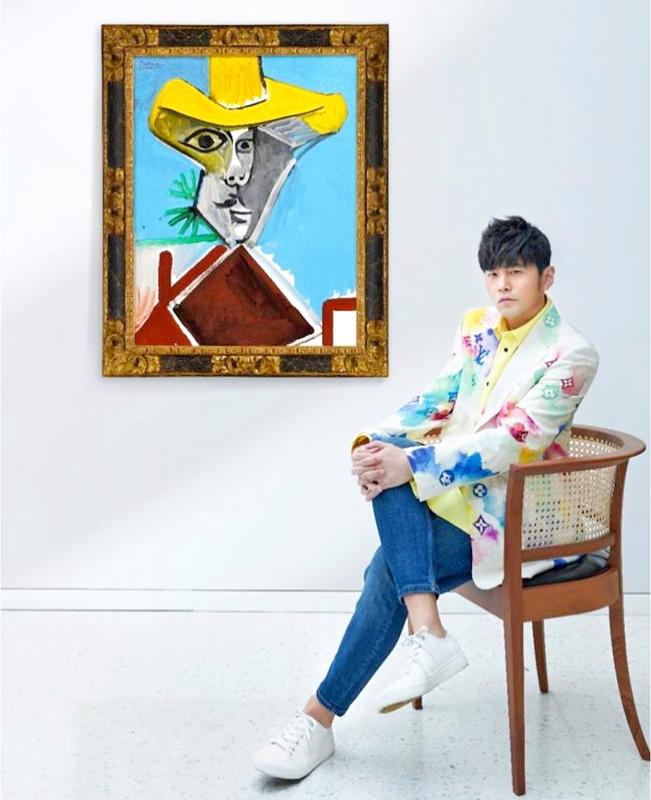
Photo: Chen Hui-ling, Liberty Times 照片︰自由時報陳慧玲
(Eddy Chang, Taipei Times)
台灣流行天王周杰倫除了會和粉絲分享音樂,近日還分享了他對藝術的熱愛,擔任首屆亞洲當代藝術拍賣會策展人,拍賣會已於上週五在香港舉辦,由他親自挑選的四十六件藝品最終全數拍出,創下近三十一億佳績(約八千三百多萬美元)。
二○○○年踏入歌壇的周杰倫,今年四十二歲,全球唱片銷售量超過三千萬張,近年來享有藝術收藏家的美名,這次他還義賣三套演唱會戲服,募得近千萬元。該國際拍賣公司讚美他對音樂及藝術的眼光,認為這次具突破性的拍賣活動,足以向全世界展示亞洲藝術界的力量。
而該活動亦可望拉近年輕人和藝術界的距離,據金車文教基金會年初所做的一項調查指出,超過百分之六十六‧二的台灣年輕人,無法舉出任何一位台灣藝術家的名字。
(台北時報張聖恩)
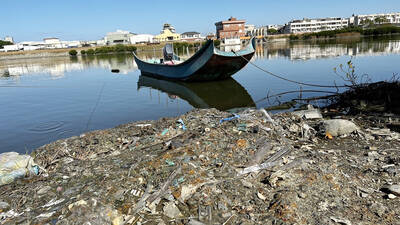
Many consumers are guilty of filling drawers or closets with old laptops, cellphones, fitness trackers and other electronic devices once they are no longer needed. It’s hard to know where to recycle such items, or it seems costly and inconvenient to do so. The world generates millions of tons of electronic waste — also called e-waste — each year. According to the UN’s most recent estimate, people worldwide produced 62 million metric tons of e-waste in 2022, and only about 22 percent of it was properly recycled. The US’ Environmental Protection Agency estimates that less than a quarter of e-waste is
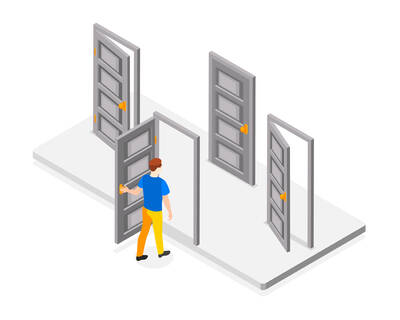
You’re sitting in class when a classmate asks to borrow a pencil. It seems like a small favor, so you agree without hesitation. The following week, the same classmate asks to share your notes. Later, they request help with a group project. You agree each time — after all, you helped out the first time — but before you know it, it has become automatic. This scenario demonstrates the “foot-in-the-door technique,” a psychological concept that shows how agreeing to small, acceptable demands makes it easier to accept larger ones later on. The name for this strategy comes from door-to-door

A: The four-day Tomb Sweeping Day long weekend begins Friday and will run until Monday. Are you going to sweep your ancestors’ tombs? B: I did in advance last weekend, so I can go to Kaohsiung to see the musical “The Phantom of the Opera.” A: Wow, is “Phantom” touring Taiwan again? It debuted in 1986, so this year marks the 40th anniversary of the show. B: And it’s not just touring Kaohsiung starting March 31, but also Taipei starting April 21 and Taichung starting May 26. A: “Phantom” is one of the world’s Four Major Musicals. I’ve seen all of them, except “Les

Dos & Don’ts — 想想看,這句話英語該怎麼說? 1. 我們很早到達電影院。 ˇ We arrived at the theater very early. χ We arrived the theater very early. 註︰arrive 為不及物動詞,後面如果有受詞要用 at 或 in。例如:They arrived in Taipei yesterday.。一般大地方,如國家、省、大城市等前面用 in,凡小地方城鎮、學校等則用 at。 2. 開車半小時以後,我們到達了海灘。 ˇ After half an hour’s drive, we got to the beach. χ After half an hour’s drive, we got the beach. 註︰come, go, get(來、去、到達)某地時,在表示地點的名詞前面應該用 to,如 go to school, go to Taipei, come to Shanghai 等。如果這些動詞後面所跟的是 here, there, home 等副詞,則不用 to。 3. 明天我會回辦公室。 ˇ I will be back in the office tomorrow. χ I will be back to office tomorrow. 註︰to be back 一語裡的 back 是副詞,不是介詞,所以後面要用 at (the market) 或 in (the office)。 假如假期結束,要回學校上課了則可說: ? Kids will be back


 RSS
RSS