


Drive-through (or drive-thru) restaurants provide people with the immense convenience of being able to purchase and pick up meals without needing to leave their vehicles. These restaurants have been around for decades, and their success has spawned a number of equally handy services.
The drive-through concept originated with the drive-in restaurant, the first of which was established in the US in 1921. Patrons would order and eat the food that was delivered to their cars by workers called “carhops.” Ten years later, a drive-through service was introduced, but it was not until 1947 that the first exclusively drive-through restaurant opened its doors: Red’s Giant Hamburg in Missouri, US. A year later, Harry Snyder, owner of the In-N-Out Burger chain, devised a two-way speaker system to facilitate the ordering process. This innovative system allowed drivers to order while still in their cars, thereby eliminating delays. Numerous fast-food restaurants, including McDonald’s and Burger King, jumped on the bandwagon. As a result of their popularity, drive-through restaurants had mostly replaced drive-ins by the 1970s.
It should be no surprise, therefore, that the drive-through model has expanded into other walks of life. People can collect their medical prescriptions at drive-through pharmacies or mail letters at drive-through mailboxes. One unique variation is the drive-through marriage chapels in Las Vegas, US, where couples can tie the knot in their cars. Who knows what creative and convenient drive-through services might become available in the future.
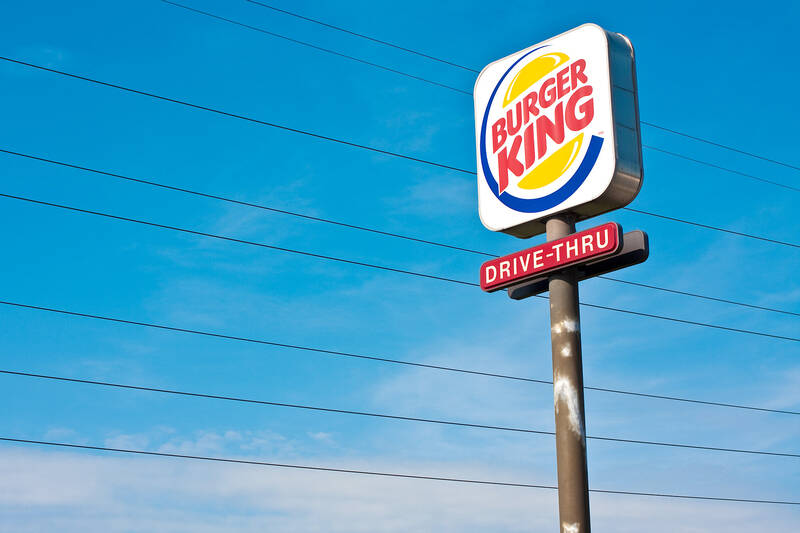
Photo courtesy of Wikimedia Commons / 照片:維基共享資源提供
得來速(音譯自drive-through,也寫作drive-thru)餐廳為人們提供了極大的便利,他們可以在無需下車的情況下購買和領取餐點。這類餐廳已經存在了幾十年,它們的成功催生了一些同樣便捷的服務。
得來速的概念源自免下車餐廳,第一家免下車餐廳於西元1921年在美國成立。顧客可以在車中點餐並享用食物,這些食物由被稱為「車服員」的工作人員送到他們的車上。十年後,得來速服務問世,但直到西元1947 年,第一家專門提供得來速服務的餐廳才開業:位於美國密蘇里州的Red’s Giant Hamburg。一年後,In-N-Out漢堡連鎖店的老闆哈利史奈德設計了一個雙向對講系統以簡化點餐過程。這項創新系統允許駕駛在車上點餐,從而消除了延遲。眾多速食餐廳,包括麥當勞和漢堡王,紛紛效仿。由於它們大受歡迎,因此到了西元1970年代,得來速餐廳取代了大多數的免下車餐廳。
因此,得來速模式已擴展到生活的其他方面也就不足為奇了。人們可以從得來速藥局領取他們的處方藥物,或從得來速郵筒寄信。在美國拉斯維加斯有一種獨特的變化是得來速婚禮教堂,情侶們可以在車上喜結連理。誰知道未來還會有什麼創意和便捷的得來速服務可供使用。
MORE INFORMATION
spawn v. 使產生;促成
originate v. 起源;發源
carhop n.(免下車餐廳的)服務生
pharmacy n. 藥局;藥房
KEY VOCABULARY
1. immense adj. 巨大的;無限的;非常好的
The mountain’s immense height made it a challenging climb for experienced hikers.
這座山巨大的高度對經驗豐富的健行者來說是一項具挑戰性的攀登。
2. convenience n. 方便;便利(設施)
Online shopping offers the convenience of shopping from the comfort of your home.
網路購物提供了在家舒適地購物的便利。
3. concept n. 概念;觀念
The concept of time travel has fascinated scientists and writers for centuries.
時間旅行的概念已經吸引了科學家和作家幾個世紀。
4. patron n. 顧客;贊助者
That restaurant has many loyal patrons who eat there every week.
那家餐廳有很多忠實的顧客,每週都在那裡吃飯。
5. innovative adj. 創新的;新穎的
The innovative design of the eco-friendly car reduces emissions and saves fuel.
這款環保汽車的創新設計降低了排放並節省了燃料。
6. thereby adv. 從而;因此
By studying diligently, Karen improved her grades and thereby earned a scholarship.
通過刻苦學習,凱倫提高了成績並因此獲得了獎學金。
7. popularity n. 人氣;受歡迎;流行
The bakery’s pastries gained popularity due to their delicious taste and quality ingredients.
這家麵包店的糕點因其美味的味道和優質的原料而受到歡迎。
8. expand v. 擴大;增加
To meet the growing demand for online courses, the university decided to expand its e-learning platform.
為了滿足對線上課程不斷增長的需求,該大學決定擴展其電子學習平台。
9. chapel n. 小教堂;禮拜堂
The wedding ceremony was held in a charming chapel with stained
glass windows.
這場婚禮在一座帶有彩色玻璃窗的迷人小教堂舉行。
學習音檔: https://magazine.english4u.net/Magdata/menu/t6rg4
《空中美語》雜誌APP免費下載: https://www.english4u.net/apps/index.aspx
免費收聽當月《空中美語》雜誌課文朗讀及解析 !
文章由AMC空中美語授權使用: https://www.english4u.net

Many consumers are guilty of filling drawers or closets with old laptops, cellphones, fitness trackers and other electronic devices once they are no longer needed. It’s hard to know where to recycle such items, or it seems costly and inconvenient to do so. The world generates millions of tons of electronic waste — also called e-waste — each year. According to the UN’s most recent estimate, people worldwide produced 62 million metric tons of e-waste in 2022, and only about 22 percent of it was properly recycled. The US’ Environmental Protection Agency estimates that less than a quarter of e-waste is
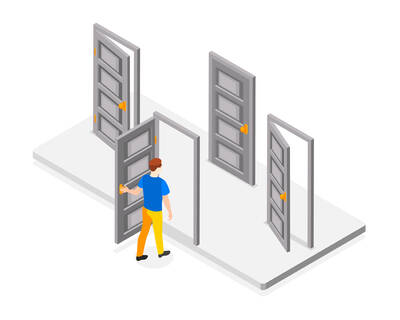
You’re sitting in class when a classmate asks to borrow a pencil. It seems like a small favor, so you agree without hesitation. The following week, the same classmate asks to share your notes. Later, they request help with a group project. You agree each time — after all, you helped out the first time — but before you know it, it has become automatic. This scenario demonstrates the “foot-in-the-door technique,” a psychological concept that shows how agreeing to small, acceptable demands makes it easier to accept larger ones later on. The name for this strategy comes from door-to-door

A: The four-day Tomb Sweeping Day long weekend begins Friday and will run until Monday. Are you going to sweep your ancestors’ tombs? B: I did in advance last weekend, so I can go to Kaohsiung to see the musical “The Phantom of the Opera.” A: Wow, is “Phantom” touring Taiwan again? It debuted in 1986, so this year marks the 40th anniversary of the show. B: And it’s not just touring Kaohsiung starting March 31, but also Taipei starting April 21 and Taichung starting May 26. A: “Phantom” is one of the world’s Four Major Musicals. I’ve seen all of them, except “Les

Dos & Don’ts — 想想看,這句話英語該怎麼說? 1. 我們很早到達電影院。 ˇ We arrived at the theater very early. χ We arrived the theater very early. 註︰arrive 為不及物動詞,後面如果有受詞要用 at 或 in。例如:They arrived in Taipei yesterday.。一般大地方,如國家、省、大城市等前面用 in,凡小地方城鎮、學校等則用 at。 2. 開車半小時以後,我們到達了海灘。 ˇ After half an hour’s drive, we got to the beach. χ After half an hour’s drive, we got the beach. 註︰come, go, get(來、去、到達)某地時,在表示地點的名詞前面應該用 to,如 go to school, go to Taipei, come to Shanghai 等。如果這些動詞後面所跟的是 here, there, home 等副詞,則不用 to。 3. 明天我會回辦公室。 ˇ I will be back in the office tomorrow. χ I will be back to office tomorrow. 註︰to be back 一語裡的 back 是副詞,不是介詞,所以後面要用 at (the market) 或 in (the office)。 假如假期結束,要回學校上課了則可說: ? Kids will be back


 RSS
RSS