


The practice of shenzhu (divine pig) “fattened pig” contests today play only a small role in Taiwan’s folk religion, but they are still held within a minority of temples. On Aug. 27, Democratic Progressive Party Legislator Rosalia Wu held a news conference advocating for the shenzhu sacred pigs, objecting to the longstanding allowances given to breeders, and calling for strict enforcement of fines against the practice.
Environment & Animal Society of Taiwan (EAST) researcher Tsun Fang-chu said private breeders keep the animals in cages and force-feed them to fatten them up, and over the long term this increase in weight means that the pigs cannot even move unaided, before finally being inhumanely slaughtered.
According to Council of Agriculture statistics from last year, there were only seven breeders of divine pigs still operating in Taiwan, with the number of pigs being raised having fallen to just 34. However, research has found that, last year, at the Hsinchu County Yimin Festival alone, 31 divine pigs were entered into the competition, 20 of which weighed in at over 600kg. Also, 35 temples throughout Taiwan held these fattened pig contests, accounting for at least 270 animals.
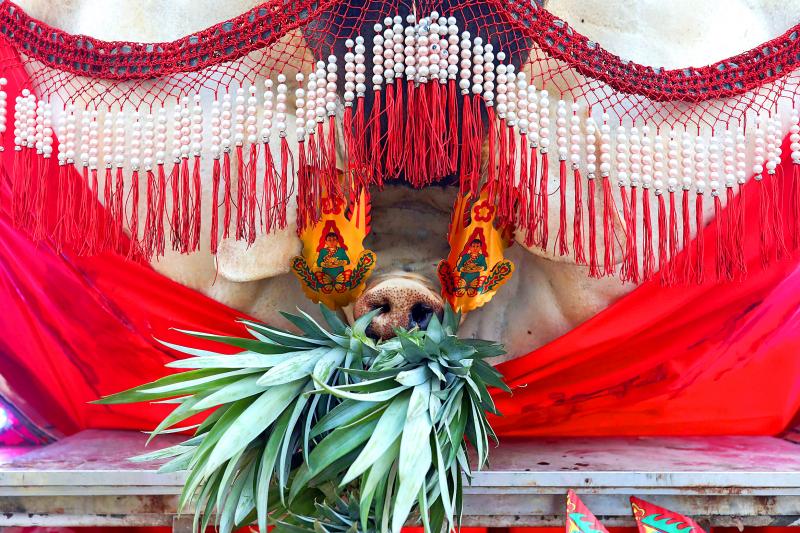
Photo: Reuters 照片:路透
Wu said that worshiping the gods and inhumane treatment of animals are two completely different things, and that there is no good reason for inhumane breeding practices being used in the preparation of animals for divine pig contests. She emphasized that worshipers should have nothing to do with divine pig breeders using illegal animal abuse methods to gain economic benefit.
(Translated by Paul Cooper, Taipei Times)
台灣民俗信仰少數有「賽神豬」大賽,目前仍有少數廟宇舉辦。上月二十七日,民進黨立委吳思瑤舉行記者會替神豬請命,抗議多年來包庇少數飼養戶,要求嚴格執法開罰。
Photo: Reuters 照片:路透
台灣動物社會研究會研究員寸舫筑表示,民眾飼養神豬會使用下窟、灌食增肥等手段,由於神豬長期增肥導致行動癱瘓,最後更會面臨非人道屠宰。
農委會去年曾統計,全國飼養神豬戶剩下七戶,飼養頭數降為三十四頭,但研究會調查,光是去年新竹縣義民祭就有三十一頭神豬參賽,有二十頭為六百公斤以上的超重神豬,而全國舉辦賽神豬比賽的廟宇有三十五家, 且至少還有兩百七十多頭神豬。
吳思瑤表示,虔誠祀奉神明與不人道虐待動物完全是兩件事,而賽神豬也不必然必須使用不人道方式飼養,強調信徒與違法虐待方式謀取經濟利益的神豬飼養戶絕對不可相提並論。
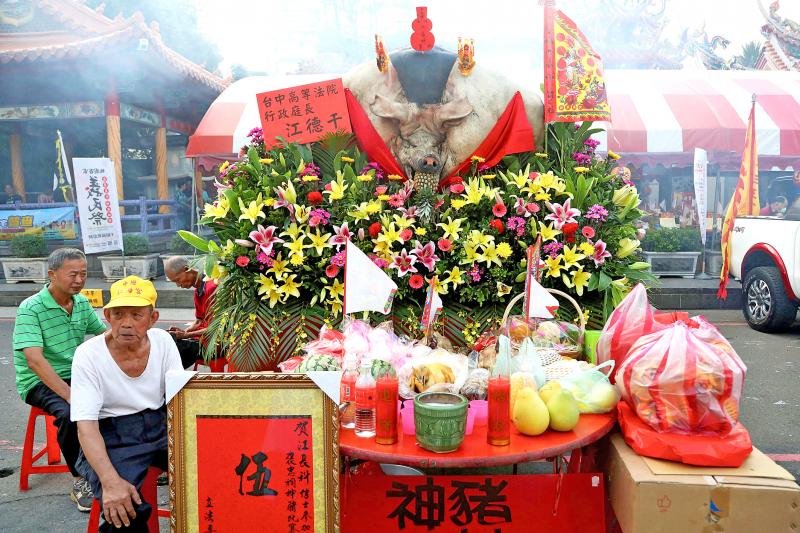
Photo: Reuters 照片:路透
(中央社)
Photo: Reuters 照片:路透
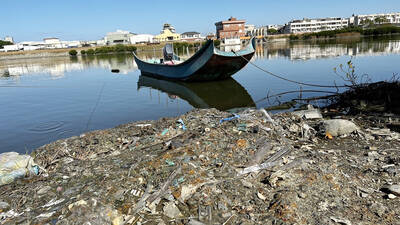
Many consumers are guilty of filling drawers or closets with old laptops, cellphones, fitness trackers and other electronic devices once they are no longer needed. It’s hard to know where to recycle such items, or it seems costly and inconvenient to do so. The world generates millions of tons of electronic waste — also called e-waste — each year. According to the UN’s most recent estimate, people worldwide produced 62 million metric tons of e-waste in 2022, and only about 22 percent of it was properly recycled. The US’ Environmental Protection Agency estimates that less than a quarter of e-waste is
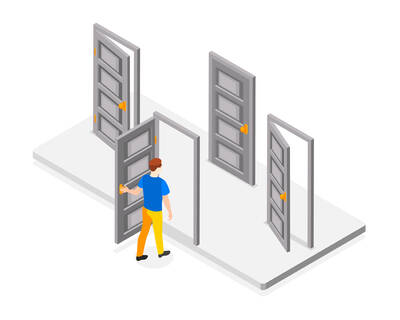
You’re sitting in class when a classmate asks to borrow a pencil. It seems like a small favor, so you agree without hesitation. The following week, the same classmate asks to share your notes. Later, they request help with a group project. You agree each time — after all, you helped out the first time — but before you know it, it has become automatic. This scenario demonstrates the “foot-in-the-door technique,” a psychological concept that shows how agreeing to small, acceptable demands makes it easier to accept larger ones later on. The name for this strategy comes from door-to-door

A: The four-day Tomb Sweeping Day long weekend begins Friday and will run until Monday. Are you going to sweep your ancestors’ tombs? B: I did in advance last weekend, so I can go to Kaohsiung to see the musical “The Phantom of the Opera.” A: Wow, is “Phantom” touring Taiwan again? It debuted in 1986, so this year marks the 40th anniversary of the show. B: And it’s not just touring Kaohsiung starting March 31, but also Taipei starting April 21 and Taichung starting May 26. A: “Phantom” is one of the world’s Four Major Musicals. I’ve seen all of them, except “Les

Dos & Don’ts — 想想看,這句話英語該怎麼說? 1. 我們很早到達電影院。 ˇ We arrived at the theater very early. χ We arrived the theater very early. 註︰arrive 為不及物動詞,後面如果有受詞要用 at 或 in。例如:They arrived in Taipei yesterday.。一般大地方,如國家、省、大城市等前面用 in,凡小地方城鎮、學校等則用 at。 2. 開車半小時以後,我們到達了海灘。 ˇ After half an hour’s drive, we got to the beach. χ After half an hour’s drive, we got the beach. 註︰come, go, get(來、去、到達)某地時,在表示地點的名詞前面應該用 to,如 go to school, go to Taipei, come to Shanghai 等。如果這些動詞後面所跟的是 here, there, home 等副詞,則不用 to。 3. 明天我會回辦公室。 ˇ I will be back in the office tomorrow. χ I will be back to office tomorrow. 註︰to be back 一語裡的 back 是副詞,不是介詞,所以後面要用 at (the market) 或 in (the office)。 假如假期結束,要回學校上課了則可說: ? Kids will be back


 RSS
RSS