


Last week South Korean alcohol brewers and distilers released data which show that last year, HiteJinro Co. produced 1.7 billion bottles of its 360ml-size Chamisul soju. Since HiteJinro Co. holds approximately 50 percent market share of South Korea’s traditional distilled liquor market, it is possible to calculate that roughly 3.4 billion bottles of soju were sold last year in South Korea.
South Korea’s Yonhap News Agency reports that, according to the statistics, South Korean adults consume an average of 1.62 bottles of soju each week.
Using the figure of 3.4 billion bottles of soju, since the over-20 adult population of South Korea equates to 40.15 million consumers, this means that last year each South Korean adult consumed an average of 84.7 bottles of soju, which works out at 1.62 bottles per week or 0.23 bottles every day.
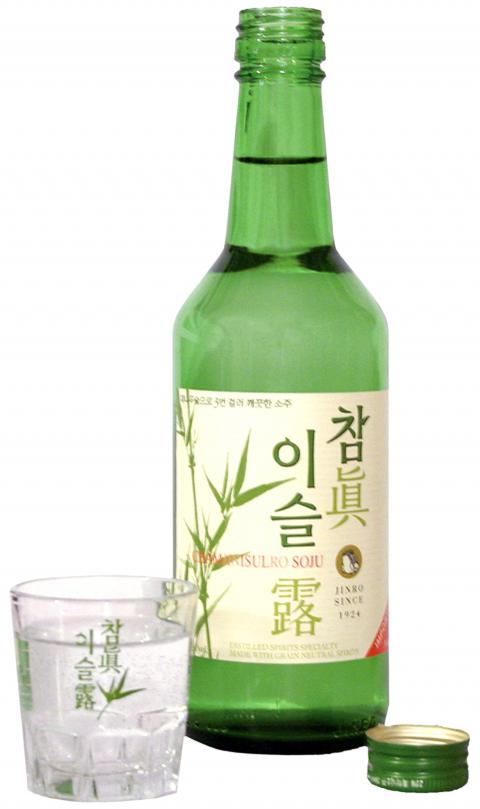
Photo courtesy of Geoff Martin, Wikimedia Commons
照片:傑夫·馬丁,維基共享資源
The alcohol content of South Korean soju varies from between 17 to 20 percent and other famous soju brands include Cheoeum-Cheoreom and Good Day.
According to a representative of the industry, the long-term economic downturn in South Korea has led to a continued slump in sales of comparatively high-priced Western alcohol and led to an increase in the consumption of soju among the public.
(CNA, translated by Edward Jones)
南韓酒類產業上周發布的資料顯示,去年三百六十毫升裝「真露燒酒」產量為十七億瓶,根據真露燒酒約百分之五十的傳統蒸餾酒類市場占有率推算,去年南韓人的燒酒消費量約為三十四億瓶左右。
南韓聯合通信社報導,依據統計南韓成年人人均每週喝一點六二瓶燒酒。
三十四億瓶燒酒,由二十歲以上南韓成年人口四千零一十五萬人消費,推算出去年成人平均消費八十四點七瓶,也即平均每周喝一點六二瓶燒酒,日飲燒酒零點二三瓶。
南韓燒酒的酒精含量在百分之十七到百分之二十之間,知名燒酒品牌還有「初飲初樂」、「好天好飲」等。
業界人士指出,經濟長期不景氣導致價格較高的洋酒市場持續衰退,而做為大眾消費的燒酒需求呈上升趨勢。
(中央社)
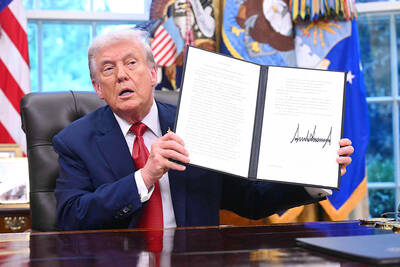
The content recommendation algorithm that powers the online short video platform TikTok has once again come under the spotlight after the app’s Chinese owner ByteDance signed binding agreements to form a joint venture that will hand control of operations of TikTok’s US app to American and global investors, including cloud computing company Oracle. Here is what we know so far about its fate, following the establishment of the joint venture. IS BYTEDANCE CEDING CONTROL? While the creation of this new entity marks a big step toward avoiding a US ban, as well as easing trade and tech-related tensions between Washington and Beijing, there

A: Happy New Year! I can’t believe it’s 2026 already. Where did you count down? B: I went to pop singer A-mei’s Taitung concert yesterday for the New Year’s countdown. How about you? A: I went to rock band Mayday’s Taichung concert yesterday. Going to their New Year’s shows has become a holiday tradition for me. B: Don’t forget, we’re also going to Jolin Tsai’s show tonight. It’s her first perfomance at the Taipei Dome. A: Yeah, that’s right. It’s great to start the year with good friends and good music. A: 新年快樂!我真不敢相信都已經2026年了。你昨天去哪跨年啦? B: 我昨天去了流行天后張惠妹的台東演唱會,還和她一起跨年倒數。那你呢? A:

Prompted by military threats from Russia, Denmark has recently passed a new conscription law, officially including women in its military draft for the first time. From July 1, 2025, Danish women, upon turning 18, will be entered into the draft lottery. If selected, they are to serve in the military for 11 months, just as men do. Not only has this decision attracted international attention, but it has also sparked discussions on gender, equality and national defense. Although Denmark’s reform appears to promote gender equality, it primarily responds to regional instability and the need to strengthen national defense. With

A: Apart from Taiwan’s A-mei, Mayday and Jolin Tsai, there are many foreign singers coming to Taiwan early this year. B: The South Korean girl group Babymonster are playing two shows at Taipei Arena starting from tonight. Who else is coming to Taiwan? A: Other artists include Australian band Air Supply, K-pop superstar Rain, boy group Super Junior, TXT, US singers Giveon and Josh Groban, and Irish boy group Westlife. B: Air Supply was the first foreign band to come to Taiwan in 1983, and they’re probably the most frequently visiting group too. A: As the year is beginning


 RSS
RSS