


Alberto Pellegrini does not speak or read Japanese, a deficit that threatened to leave the Italian tourist starving in a nation famous for its gastronomic delights.
Fortunately for the hungry honeymooner, restaurants across this food-obsessed nation — where English menus range from sparse to non-existent — often display their wares in the form of intricately-made plastic replicas.
The sight of a giant hotdog slathered in condiments does not faze the average Japanese restaurant goer, and these fake food parades are often so similar to the real thing that they almost dare potential customers to take a bite.
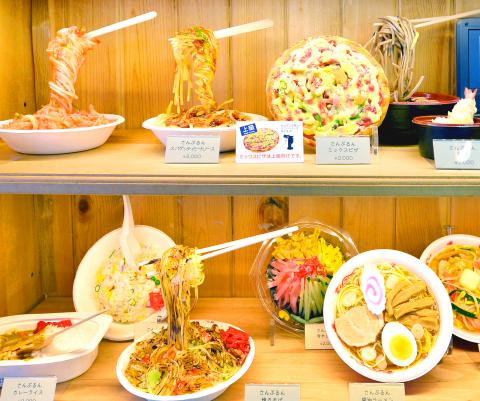
Photo: AFP
照片:法新社
A sudsy-looking beer, perfectly glazed sushi and indestructible deep-fried pork cutlets are a common sight on the streets of neon-lit Tokyo and even the smallest towns.
“It can really help,” Pellegrini said as he and his new wife combed lunch venues in Tokyo’s upscale Ginza shopping district.
“I point at the food and I just say “I want this, I want that.” It is easier because choosing from a list [in Japanese] is impossible.”
(afp)
義大利觀光客佩拉格利尼看不懂日文也不會說日文,這個障礙恐讓這位觀光客在以美食聞名的國度餓肚子。
在這個對食物癡迷的國度,英文菜單不是很少就是根本付之闕如,但對這位來度蜜月的飢餓觀光客來說,幸運的是,各地餐廳通常會以精緻的塑膠模型陳列出商品。
塗上調味醬的巨大熱狗並不會嚇到一般的日本顧客,這些陳列的假食物逼真到幾乎讓想上門的顧客咬一口。
看似冒著泡泡的啤酒,完美上釉的壽司,以及堅不可摧的炸豬排在霓虹燈照亮的街道上經常可見,甚至在小鎮裡也能看到。
佩拉格利尼和新婚妻子在東京高級購物區銀座尋找午餐地點時說:「真的很有幫助。」
「我指著食物然後只要說:『我想要這道,我想要那道。』這樣真的簡單多了,因為要從一整排(的日文)中選擇是不可能的。」
(法新社/翻譯:陳維真)

A: In addition to the biopic “Michael,” comedy “The Devil Wears Prada 2” is finally in theaters. I can’t believe it’s been 20 years since the 2006 debut of the original film. B: Does the sequel still revolve around the fashion industry? A: This time, “Miranda,” the fashion magazine editor-in-chief played by Meryl Streep, will team up with her former assistant “Andy,” played by Anne Hathaway, to fight against Emily, her other ex-assistant played by Emily Blunt. B: Isn’t the role of “Miranda” based on then US “Vogue” editor-in-chief Anna Wintour? A: Yup, it established Anna’s fashion status, influenced pop culture
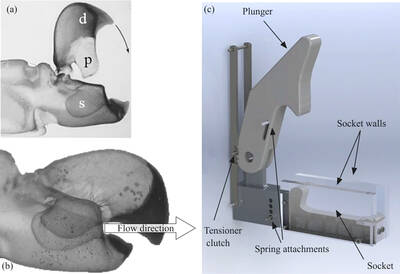
Few sea creatures of their size have as much destructive power as pistol shrimp. These small animals, usually measuring around four centimeters long, produce shock waves that can stun or even kill their prey. The attack begins when the shrimp opens its specialized claw, allowing water to fill a chamber inside. Then the claw closes rapidly. A bump on the claw strikes the chamber, forcing the trapped water out through a narrow opening at a high speed of about 25 meters per second. The rapid movement forms a bubble in the water that collapses almost instantly under the pressure of the

★ Bilingual Story is a fictionalized account. 雙語故事部分內容純屬虛構。 Rain hammered the roof in hard, uneven bursts. “Hold him still!” Baosheng pressed one hand against the stranger’s brow as the man twisted on the wooden bed. His left eye was swollen shut. The right one burned red like a coal. “It feels like fire,” the man gasped. “Like something is clawing inside.” Thunder rolled across the mountain. Baosheng leaned closer. The man’s skin was cold, but heat rose from his face. A strange smell hung in the air. He began the four methods of diagnosis: looking, listening/smelling,
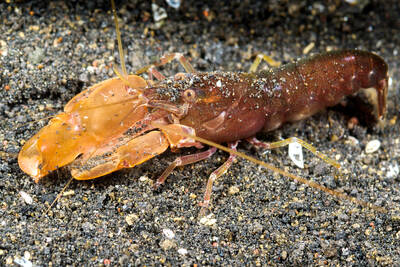
Continued from yesterday(延續自昨日) https://www.taipeitimes.com/News/lang One way to monitor marine biodiversity is to send divers down to take photos and notes; however, this method is expensive, time-consuming, and sometimes risky. On coral reefs, noise is an indicator of a healthy seabed. This is largely thanks to pistol shrimp, which often live inside sea sponges on coral reefs. The healthier the reef, the more pistol shrimp it hosts. This makes them perfect biological indicators. However, counting them visually is tricky because they often stay hidden. To address this, scientists turn to sound. Pistol shrimp snaps are loud, short, and rich in energy. They stand out


 RSS
RSS