


Since its launch in 2014, the Taiwan Season has increasingly become a “must-see” at the Edinburgh Festival Fringe. So, when this year’s three-week Fringe became an early casualty of the COVID-19 coronavirus pandemic, Chen Pin-chuan (陳斌全) was determined that the Taiwan Season must continue in some form.
Chen, director of the Cultural Division of the Taipei Representative Office in the UK, says that he and Taiwan Season curator and producer Yeh Jih-wen (葉紀紋) had been thinking of ways of growing and adding value to the season anyway. The crisis and the cancellation of the live performances brought those ideas forward as the pair quickly put together a digital program of cultural close encounters.
Titled “Connecting with Taiwan” and running from today to Aug. 28, thrice weekly streamings feature artist interviews with each of the leaders of the four dance companies that had been set to present live work in Edinburgh this year, and eight Webinars that look at aspects of the performing arts in Taiwan more generally. It’s a mix that Chen feels “makes us a little bit unique.”
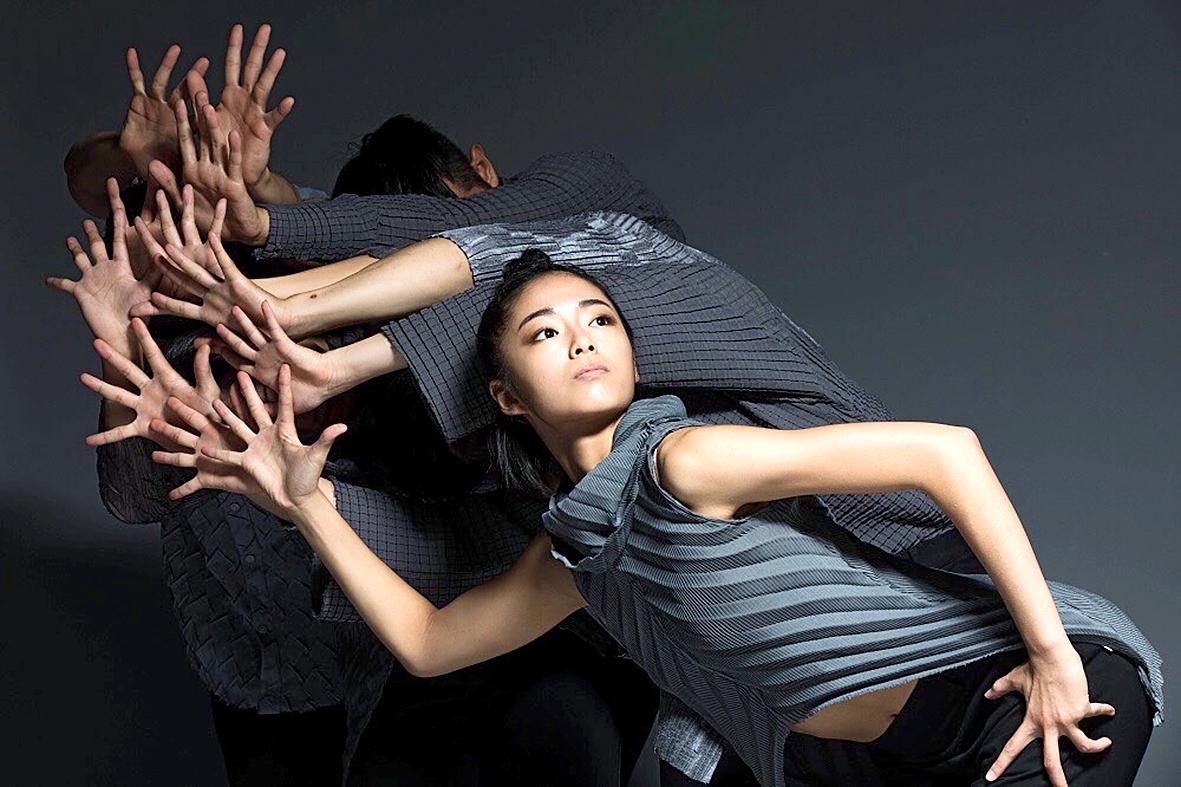
Photo courtesy of Hung Dance
The interviews open with Cheng Hao (鄭皓), who will speak about how his background in math gives him a unique perspective on both abstract ideas and live performance, realized in his originally scheduled Touchdown (觸底的形色).
Lai Hung-chung (賴翃中) then discusses his intense and sometimes dark work, Boundless (無盡·天空) for Hung Dance (翃舞製作), followed by Yang Nai-hsuan (楊乃璇) talking about her Fighters (五虎將) for Les Petites Choses Production (小事製作), a work that sees five god-like characters spring to life in a fusion of hip hop and contemporary dance.
Finally, Lin Hsiu-wei (林秀偉), founder of Tai Gu Tales Dance Theater (太古踏舞團), will discuss The Back of Beyond (無盡胎藏) and the fusion of Eastern cultural traditions and contemporary Western practices that have been the company’s trademark for over 30 years.
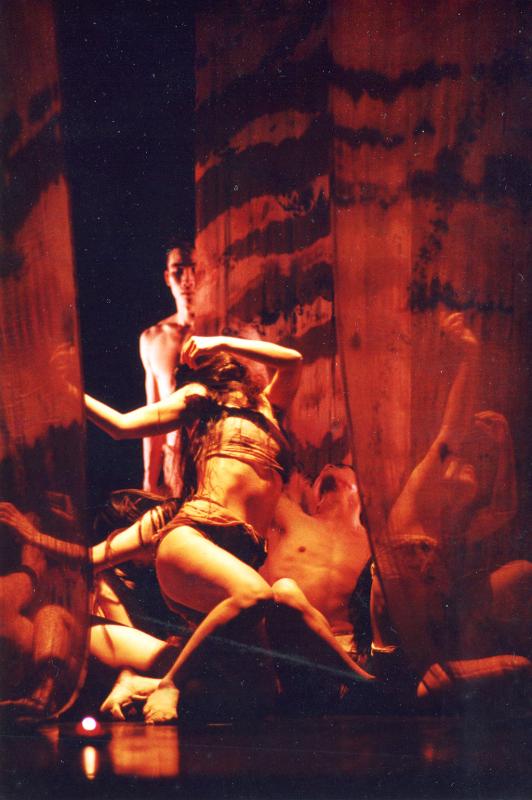
Photo courtesy of Tai-Gu Tales Dance Theatre
While the interviews will include excerpts, it was decided not to stream the four works in full. Chen says that watching dance in two dimensions online is very different to watching it in three dimensions live on stage.
“I think pieces need to be created differently for online,” Yeh adds. “Not everything is right for streaming. There are also complex issues around intellectual property rights that would need resolving; and anyway we wanted to reserve them for the audiences we hope will come to watch in theaters next year.”
The four companies will also participate in a showcase featuring work from fourteen countries being curated by the Fringe Society, organisers of the festival.
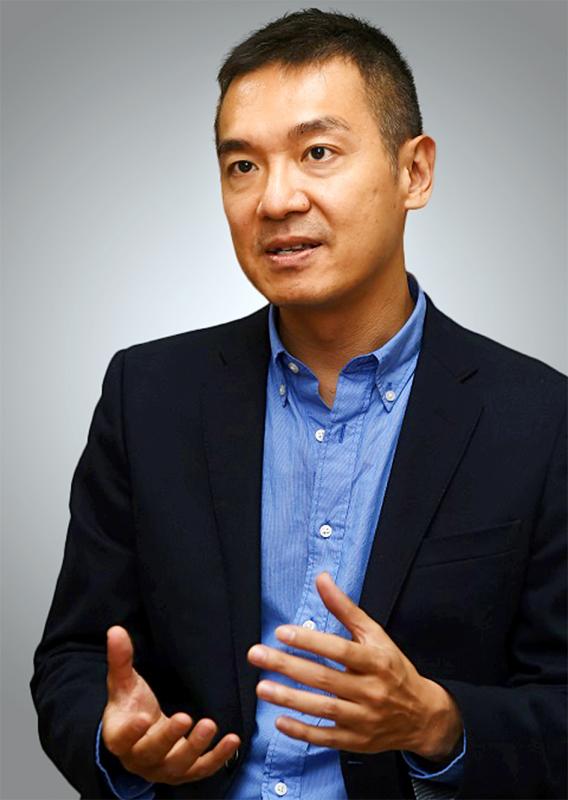
Photo courtesy of Cultural Division, Taipei Representative Office in London
In the Webinars, all in English, the focus switches to the performing arts in Taiwan more generally. While there should be plenty of interest for local artists, arts administrators and educators, the diverse range of topics has been selected carefully to appeal to those abroad curious about the state of the arts in the country, and keen to make connections.
The discussions between presenters, producers, researchers and educators from Taiwan and overseas lead off with two sessions reflecting on the present and future role of Taiwan’s arts and culture centers with regard to international co-operation and arts education.
Other topics include a look at contemporary performance for disabled artists, an area that Yeh considers especially ripe for international exchange and collaboration; cross-cultural translation, how ideas about what choreography is are expanding and the curation and production of indigenous dance.
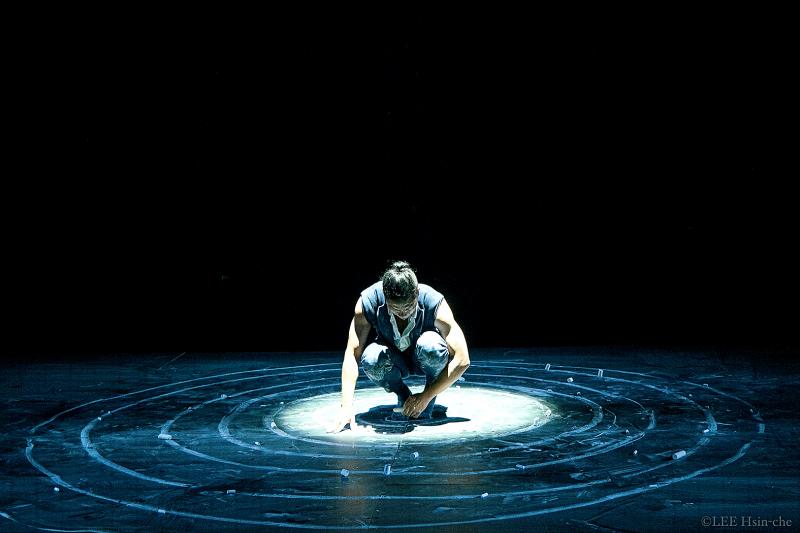
Photo courtesy of Lee Hsin-che
These may be difficult times, especially for the performing arts, but Chen does see this year’s new-look season bringing opportunities. “Now we can promote the Taiwan Season globally. Previously, people could only participate if they were at the event. Now they can participate from anywhere.”
Indeed, he thinks combining in-theater or in-person live events with interviews and discussions online is a strategy likely to be a feature of future Taiwan Seasons. “The physical events will always be very important but we are starting to understand how we can use the Internet not only to promote the season but make conversations happen and increase understanding. It can also add to the experience for those who attend performances.”
Looking back to March, Yeh recalls being so depressed when the cancellation of the Fringe was first announced.
“But it was really important that we did not just cancel the Taiwan Season. That would have been very easy. We have had to learn fast, and we are still learning, but have a plan, and we are confident it will deliver.”
Both the interviews and Webinars will remain available online so that people can go back and watch them later.
For more details and to register for the Webinars, visit: sites.google.com/view/taiwanseason-edinfringe
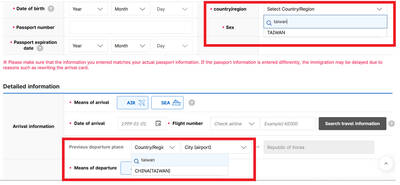
Jason Han says that the e-arrival card spat between South Korea and Taiwan shows that Seoul is signaling adherence to its “one-China” policy, while Taiwan’s response reflects a reciprocal approach. “Attempts to alter the diplomatic status quo often lead to tit-for-tat responses,” the analyst on international affairs tells the Taipei Times, adding that Taiwan may become more cautious in its dealings with South Korea going forward. Taipei has called on Seoul to correct its electronic entry system, which currently lists Taiwan as “China (Taiwan),” warning that reciprocal measures may follow if the wording is not changed before March 31. As of yesterday,
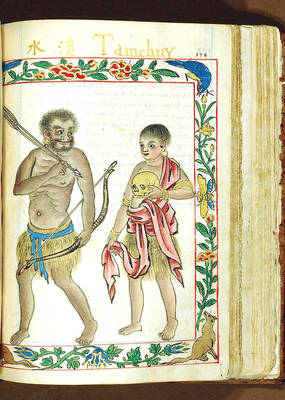
The Portuguese never established a presence on Taiwan, but they must have traded with the indigenous people because later traders reported that the locals referred to parts of deer using Portuguese words. What goods might the Portuguese have offered their indigenous trade partners? Among them must have been slaves, for the Portuguese dealt slaves across Asia. Though we often speak of “Portuguese” ships, imagining them as picturesque vessels manned by pointy-bearded Iberians, in Asia Portuguese shipping between local destinations was crewed by Asian seamen, with a handful of white or Eurasian officers. “Even the great carracks of 1,000-2,000 tons which plied
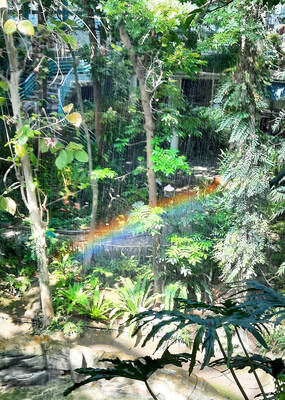
It’s only half the size of its more famous counterpart in Taipei, but the Botanical Garden of the National Museum of Nature Science (NMNS, 國立自然科學博物館植物園) is surely one of urban Taiwan’s most inviting green spaces. Covering 4.5 hectares immediately northeast of the government-run museum in Taichung’s North District (北區), the garden features more than 700 plant species, many of which are labeled in Chinese but not in English. Since its establishment in 1999, the site’s managers have done their best to replicate a number of native ecosystems, dividing the site into eight areas. The name of the Coral Atoll Zone might
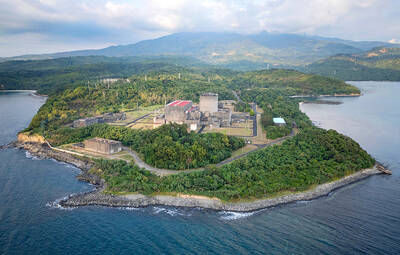
Nuclear power is getting a second look in Southeast Asia as countries prepare to meet surging energy demand as they vie for artificial intelligence-focused data centers. Several Southeast Asian nations are reviving mothballed nuclear plans and setting ambitious targets and nearly half of the region could, if they pursue those goals, have nuclear energy in the 2030s. Even countries without current plans have signaled their interest. Southeast Asia has never produced a single watt of nuclear energy, despite long-held atomic ambitions. But that may soon change as pressure mounts to reduce emissions that contribute to climate change, while meeting growing power needs. The


 RSS
RSS