


They have millions of followers on Instagram. They generate major profits for their owners. They are... pet influencers.
Grumpy Cat, Lil Bub, Boo the Pomeranian and Doug the Pug are just some of the Internet’s star animals, who do everything from support worthy causes to promote major brands.
The death this week of Lil Bub, a cat whose tongue was always hanging out due to genetic anomalies, inspired a wave of emotion that highlighted the Internet’s power to elevate just about anything to cult status.
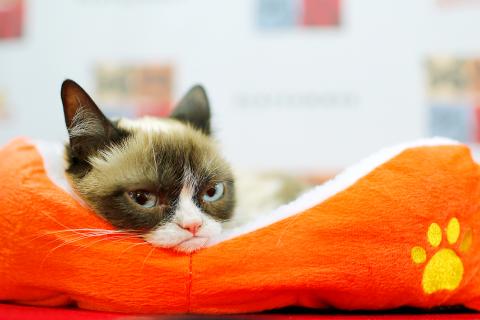
Photo: AFP
“She was a ray of pure joy in my life and so many others,” said one Instagram user, who uses the handle @missmaddyg.
Lil Bub rose to fame after her adoption in 2011, when her owner, music producer Mike Bridavsky, began posting photos and updates about her online.
Her story garnered three million followers on Facebook, 2.4 million on Instagram and more than 800,000 on Twitter.
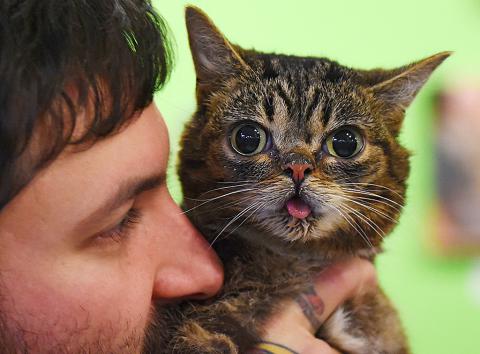
Photo: AFP
Bub’s fame eventually caught the attention of scientists.
In May 2015, researchers at the University of Missouri sequenced her genome as part of a project to determine what genetic variations had caused her adorable deformities.
Bridavsky also started a national fund for special needs pets, the first of its kind, with Bub serving as its face.
“Bub has made a huge difference in the world of animal welfare and in the lives of millions of people worldwide,” Bridavsky wrote on Instagram, noting the fund has raised US$700,000 for “animals in need,” with US$75,000 raised last year alone.
Over the course of her life, the Indiana-based cat lent her star power to multiple causes supported by Greenpeace and the American Society for the Prevention of Cruelty to Animals (ASPCA). Since 2013, Lil Bub has also been the face of campaigns with People for the Ethical Treatment of Animals (PETA) promoting sterilization and pet adoption, as opposed to buying designer breeds.
Lil Bub “used her stardom to make the world a better place for animals,” PETA said in a tribute tweet. “Honor her legacy by remembering her message: always adopt, never shop.”
But while PETA campaigns director Ashley Byrne welcomes pet influencers’ charitable ventures, she is also adamant that the work must not come at the expense of the pets’ welfare.
Nobody should “treat animals as accessories or frivolous possessions,” she said. Instead, “it’s important for people with animals who have an audience on the Internet to encourage their followers to treat their pets like members of the family.”
That, says animal talent manager Loni Edwards, is exactly what makes pet influencers so successful.
Edwards’s talent agency, The Dog Agency, manages pet influencers of all species, from Bruno the fat cat to CEO Edwards’s own French bulldog.
“As a society, we’ve evolved so that we now think of pets as our children,” Edwards said in an interview with Vox last year.
“They’re such an important part of our lives.”
A VALUABLE IMAGE
As of this year, American households owned more than 42 million cats and 63 million dogs. The market for pet products in the US earned US$72 billion last year, according to the American Pet Products Association (APPA).
Additionally, since Instagram launched in 2010, the word “cat” has been used on the platform 193 million times and the word “dog” 243 million times.
“Pets raise endorphins and make people feel happy,” Edwards said. They are adorable to look at and are easier to connect with than human influencers. Human-facing brands want to work with pet influencers because they want to show that they align on the values of their consumer, and their consumer loves pets.”
As a result, pet influencers can be incredibly lucrative.
Lil Bub’s fellow celebrity feline Grumpy Cat — known for her perpetual scowl — amassed 8.5 million fans on Facebook, 2.5 million followers on Instagram and 1.5 million on Twitter.
From 2013 until her death in May, Grumpy Cat served as the face of cat food brand Friskies.
A California court last year awarded her owner Tabatha Bundesen US$710,001 in damages for violation of image rights, after a coffee company used pictures of Grumpy’s face without authorization.
Just before her death, Lil Bub starred in campaigns advertising clothing and coffee for “Black Friday” sales.
The highly-commercial pet influencer industry could seem at odds with charitable giving.
But Bridavsky said Bub had left a proud legacy of raising both funds and spirits.
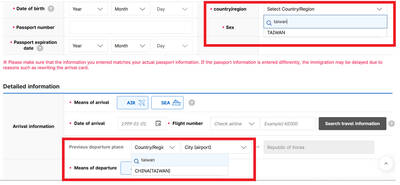
Jason Han says that the e-arrival card spat between South Korea and Taiwan shows that Seoul is signaling adherence to its “one-China” policy, while Taiwan’s response reflects a reciprocal approach. “Attempts to alter the diplomatic status quo often lead to tit-for-tat responses,” the analyst on international affairs tells the Taipei Times, adding that Taiwan may become more cautious in its dealings with South Korea going forward. Taipei has called on Seoul to correct its electronic entry system, which currently lists Taiwan as “China (Taiwan),” warning that reciprocal measures may follow if the wording is not changed before March 31. As of yesterday,
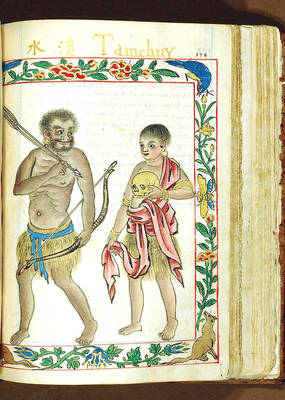
The Portuguese never established a presence on Taiwan, but they must have traded with the indigenous people because later traders reported that the locals referred to parts of deer using Portuguese words. What goods might the Portuguese have offered their indigenous trade partners? Among them must have been slaves, for the Portuguese dealt slaves across Asia. Though we often speak of “Portuguese” ships, imagining them as picturesque vessels manned by pointy-bearded Iberians, in Asia Portuguese shipping between local destinations was crewed by Asian seamen, with a handful of white or Eurasian officers. “Even the great carracks of 1,000-2,000 tons which plied
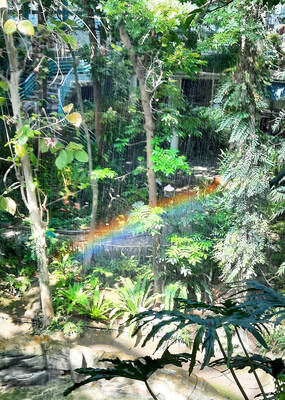
It’s only half the size of its more famous counterpart in Taipei, but the Botanical Garden of the National Museum of Nature Science (NMNS, 國立自然科學博物館植物園) is surely one of urban Taiwan’s most inviting green spaces. Covering 4.5 hectares immediately northeast of the government-run museum in Taichung’s North District (北區), the garden features more than 700 plant species, many of which are labeled in Chinese but not in English. Since its establishment in 1999, the site’s managers have done their best to replicate a number of native ecosystems, dividing the site into eight areas. The name of the Coral Atoll Zone might

Nuclear power is getting a second look in Southeast Asia as countries prepare to meet surging energy demand as they vie for artificial intelligence-focused data centers. Several Southeast Asian nations are reviving mothballed nuclear plans and setting ambitious targets and nearly half of the region could, if they pursue those goals, have nuclear energy in the 2030s. Even countries without current plans have signaled their interest. Southeast Asia has never produced a single watt of nuclear energy, despite long-held atomic ambitions. But that may soon change as pressure mounts to reduce emissions that contribute to climate change, while meeting growing power needs. The


 RSS
RSS