


ArtDen presents Garden of the Gods (諸神的花園), a joint exhibition of work by Min-tse Chen (陳敏澤) and May Chao (趙梅). Both artists incorporate natural scenery into their oil paintings. Chen’s large format canvases are inspired by the lush colors of Turkish landscapes.
■ ArtDen (藝研齋), 3F, 309, Xinyi Rd Sec 4, Taipei City (台北市信義路四段309號3樓), tel: (02) 2325-8188. Open Mondays to Fridays from 11am to 5pm, Saturdays from 10am to 6pm.
■ Opening reception on Saturday at 3pm. Until Sept. 29
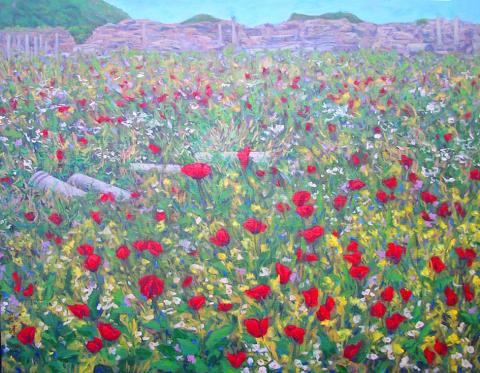
photo courtesy of Artden
Digiark’s exhibition A Dialogue with the Space and Time attempts to create a discussion about the storage and re-presentation of images. Artists from Taiwan and abroad were invited to have a “dialogue” with the gallery space, which focuses on digital and multimedia art. Through their work, Digiark’s collaborators explore how “on the one hand, images help demonstrate the endless continuity of time; on the other hand, it reverses the linear narrative of space and time.”
■ National Taiwan Museum of Fine Arts in Taichung (國立台灣美術館), 2, Wucyuan W Rd Sec 1, Greater Taichung (台中市五權西路一段2號), tel: (04) 2372-3552 ext. 708. Open Tuesdays to Sundays from 9am to 5pm
■ Until Nov. 11
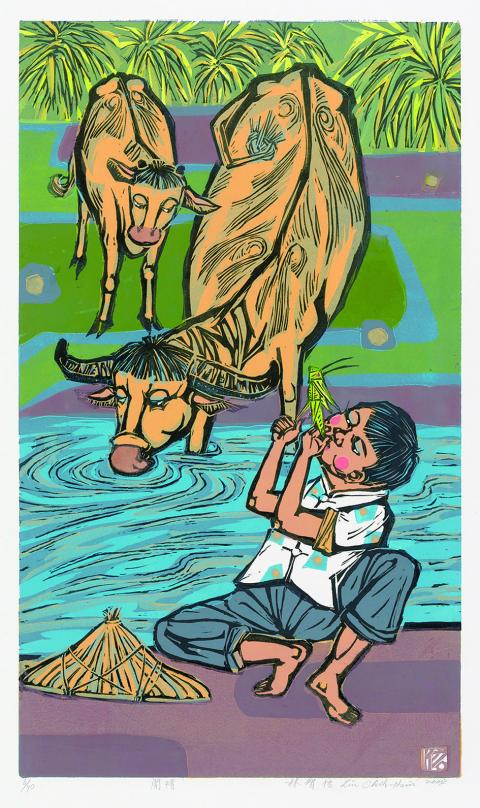
photo courtesy of NMH
In cover , artist Nat Niu Chun-chiang (牛俊強 ) turns the exhibition venue into one work that explores the meaning of “disappearance” in a man’s existence. Inspired by changes in his love life, family and physical conditions, Niu invited 18 participants to talk about a profound experience in their lives, which are presented through objects, photographs and films. By confronting the temporary “disappearance” and exploring an outcome that has various possibilities, Niu searches for new perspectives and new approaches.
■ Taipei Fine Arts Museum (TFAM, 台北市立美術館), 181, Zhongshan N Rd Sec 3, Taipei City (台北市中山北路三段181號), tel: (02) 2595-7656. Open Tuesdays to Sundays from 9:30am to 5:30pm and until 8:30pm on Saturdays. Admission: NT$30
■ Until Sept. 30
Made in Taipei, which opened Thursday and closes tonight, is the result of a collaborative process between Spanish artists Arantxa Echarte and Bibiana Crespo. During their stay in Taipei, they engaged with places and people by immersing themselves in situations specific to life in the city. Some of the subjects covered by the installation piece include Taipei’s identity, tradition, food culture, textiles and codes (such as street codes).
■ Studio 401, Taipei Artist Village (台北國際藝術村百里廳), 7 Beiping E Rd, Taipei City (台北市北平東路7號), tel: (02) 3393-7377. Exhibition open from 1pm to 6pm.
■ Until tonight
The National Museum of History is hosting an exhibition of prints by artist Lin Chih-sin (林智信). Featuring strong, lively lines and vivid colors, Lin’s woodcuts are inspired by Taiwanese rural life, with depictions of farmers at work and children riding water buffalos.
■ National Museum of History (國立歷史博物館), 49 Nanhai Rd, Taipei City (台北市南海路49號), tel: (02) 2361-0270. Open Tuesdays to Sundays from 10am to 6pm. General admission is NT$30
■ Until Oct. 11
In Aging, artist Yu Ling (俞綾) explores mortality and the inflexibility of time with black and white photos of flowers and plants in different stages of decay.
■ Fotoaura Institute of Photography (海馬迴光畫館), 2F, 83 Chenggong Rd, Greater Tainan (台南市成功路83號2樓), tel: (06) 200-8856. Open Wednesdays to Sundays from 1pm to 8pm
■ Until Sept. 13
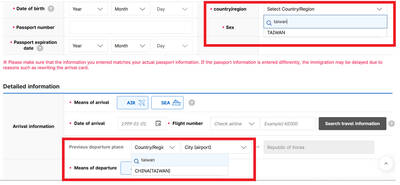
Jason Han says that the e-arrival card spat between South Korea and Taiwan shows that Seoul is signaling adherence to its “one-China” policy, while Taiwan’s response reflects a reciprocal approach. “Attempts to alter the diplomatic status quo often lead to tit-for-tat responses,” the analyst on international affairs tells the Taipei Times, adding that Taiwan may become more cautious in its dealings with South Korea going forward. Taipei has called on Seoul to correct its electronic entry system, which currently lists Taiwan as “China (Taiwan),” warning that reciprocal measures may follow if the wording is not changed before March 31. As of yesterday,
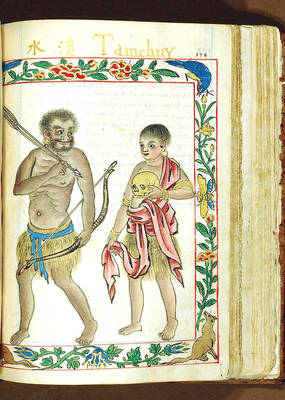
The Portuguese never established a presence on Taiwan, but they must have traded with the indigenous people because later traders reported that the locals referred to parts of deer using Portuguese words. What goods might the Portuguese have offered their indigenous trade partners? Among them must have been slaves, for the Portuguese dealt slaves across Asia. Though we often speak of “Portuguese” ships, imagining them as picturesque vessels manned by pointy-bearded Iberians, in Asia Portuguese shipping between local destinations was crewed by Asian seamen, with a handful of white or Eurasian officers. “Even the great carracks of 1,000-2,000 tons which plied
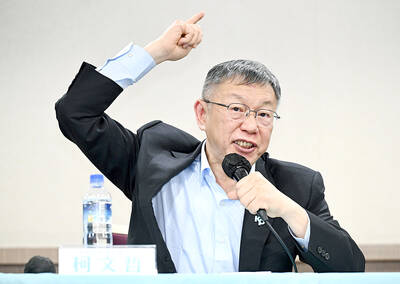
On Thursday, former Taipei mayor and founder of the Taiwan People’s Party (TPP) Ko Wen-je (柯文哲) was sentenced to 17 years in prison and had his civil rights suspended for six years over corruption, embezzlement and other charges. Seven others related to the case were also handed prison sentences, while two were found not guilty. It has been a bad week for the TPP. On Tuesday, prosecutors charged Chinese immigrant Xu Chunying (徐春鶯) with suspicion of taking part in Beijing-directed election interference. Xu has strong links to the TPP, which once offered her a party list legislator nomination. Tuesday also
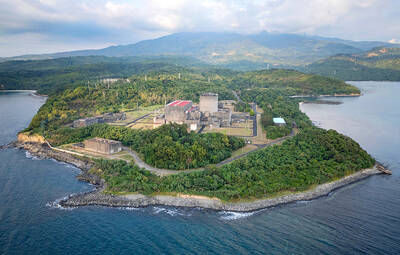
Nuclear power is getting a second look in Southeast Asia as countries prepare to meet surging energy demand as they vie for artificial intelligence-focused data centers. Several Southeast Asian nations are reviving mothballed nuclear plans and setting ambitious targets and nearly half of the region could, if they pursue those goals, have nuclear energy in the 2030s. Even countries without current plans have signaled their interest. Southeast Asia has never produced a single watt of nuclear energy, despite long-held atomic ambitions. But that may soon change as pressure mounts to reduce emissions that contribute to climate change, while meeting growing power needs. The


 RSS
RSS