


A combination cafe, performance space, gallery and store, Good Cho’s (好丘) gives Simple Life (簡單生活) a permanent home. Founded in 2006, the Simple Life group organizes the biennial Simple Life Festival (簡單生活節) and weekly outdoor Simple Market (簡單市集).
Both the market and Good Cho’s, which opened two months ago, are located at the Xinyi Public Assembly Hall (信義公民會館), a former military dependents’ village that was built in the early 1950s and re-opened as a public space in 2003.
There have been three editions of the Simple Life Festival, which combines performances by independent musicians with an art and design market. The motto of the youth-oriented event is “do what you enjoy and give value to what you enjoy doing” (做你喜歡的事,讓你喜歡的事有價值), says brand development director Ernie Wang (王鵬淩).
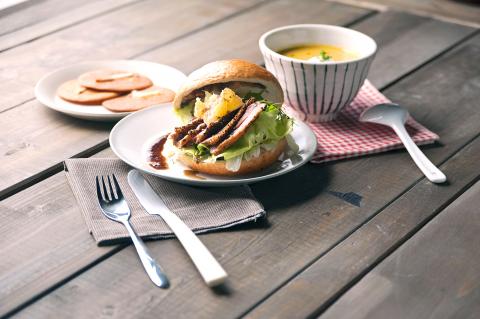
Photo Courtesy of Simple Life
“We want to continue the Simple Life experience. Our festival is only for a couple days every two years,” says Wang. “But we don’t have enough time in just two days to say everything we want to say.”
The Simple Life team began planning Good Cho’s shortly before Simple Market launched in July. The front of the space is designed to look like a kitchen, with wooden cabinets and shelves lined with sauces, condiments and teas from sellers who use ingredients grown locally without pesticides. Small alcoves serve as mini-exhibit spaces. One currently displays T-shirts by Tainan-based brand Rainbow Is Coming (彩虹來了), as well as photographs from designer Debby Huang’s (黃小黛) recent book about bed-and-breakfasts in Taiwan.
Small details are meant to evoke domestic memories for people who grew up in this country, like lampshades fashioned from the metal lids of Tatung (大同) rice cookers by designer Huey Lien (連國輝) and shelving made from an iron window grille salvaged from a Taichung building. Old wooden shutters hung on the walls as decoration are made from fragrant Japanese cypress wood (檜木), once a popular choice for home construction because of its resistance to humidity and mold.
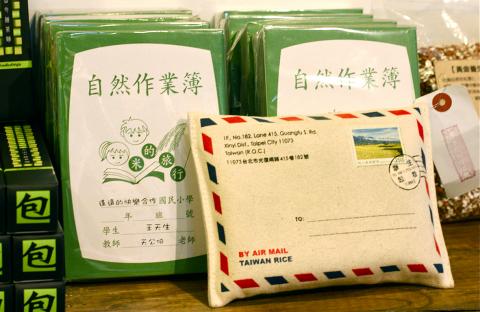
Photo: Catherine Shu, Taipei Times
The cafe serves sandwiches made with fresh-baked bread, as well as 12 daily options from a roster of over 20 bagel flavors.
“People sometimes ask why we don’t have Taiwanese food like dumplings or mantou (饅頭), but there are already a lot of good mantou stands around here. So we thought, ‘What is the Western version of a mantou?’ and came up with bagels,” says Wang. Good Cho’s puts its own spin on the baked good with locally grown ingredients: sweet flavors include red bean and yam, while shrimp and sesame number among the savory offerings.
Good Cho’s dining area was imagined as a living room by Simple Life’s designers and is furnished with a mix of Chinese- and Western-style furniture. Some vintage chairs and tables come from Mooi (魔椅), a store that imports modernist-style furniture from Europe. Other pieces, like rattan chairs, are familiar sights in Taiwanese homes.

Photo: Catherine Shu, Taipei Times
“When the country was poorer, people didn’t focus on interior design. Families used what was simple and practical, so you would see traditional Chinese furniture that had been passed down alongside imported items. We wanted to evoke that,” says Wang.
A large hand-painted mural by artist Yang Ho-ying (楊荷音) overlooks two wooden platforms, which can be converted into small stages for the weekend music performances that Good Cho’s will host starting next month. Wang says the space will focus on urban folk and instrumental music by indie musicians.
“Simple Life is about doing what makes you happy, even if you are tired or have to work very hard,” says Wang. “We want to give people a platform so they can continue to earn a living from doing what they love.”
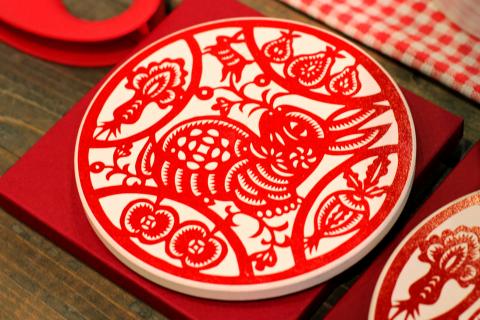
Photo: Catherine Shu, Taipei Times
All-natural flavors
Many of the brands sold in Good Cho’s have participated in previous Simple Life events or the Simple Market. The store focuses on specialty food items, kitchenware and home accessories. “We sell things that people can use on a daily basis,” says brand development product manager Willis Huang (黃致瑋). “We want to give opportunities to smaller brands, as well as promote locally-grown ingredients.”
A small ice cream parlor serves Midori (蜜朵麗) sorbet and yogurt, which is made from fruit grown without pesticides. The brand was founded by a husband-and-wife team whose business begun by marketing lacewings and ladybugs to control aphids and other crop-damaging insects. To convince farmers to use their unconventional pesticide, the two promised to buy unsold produce, which they use in their frozen treats. Flavors include mulberry, lychee and pineapple. On the Net: tw.myblog.yahoo.com/midori_green0709
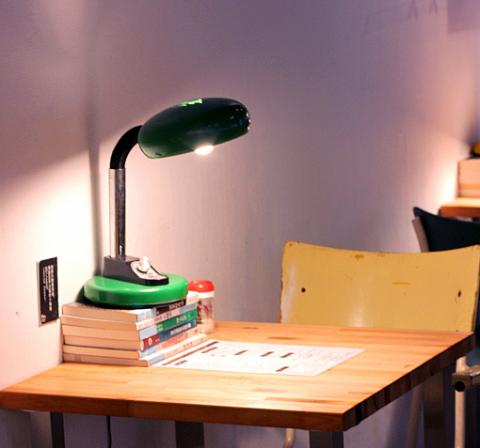
Photo: Catherine Shu, Taipei Times
Items from Bistro Le Pont (樂朋), which operates restaurants in Taipei and Kaohsiung, include condiments and skincare products made with goose fat. Sauces, seasonings and confits fuse flavors from French, Chinese and Taiwanese cuisines.
Red On Tree (在欉紅) comes up with new flavors for its line of honey, spreads and fruit jelly candies every season. Their latest series features preserves made from fruit, including tangerines from Yilan and strawberries harvested in Miaoli. On the Net: www.redontree.com
Sanyi Impression (茶山花印) specializes in skincare products and cooking oil made with tea seed oil (苦茶油, also known as camellia oil), which is rich in vitamin E and has a light, sweet fragrance. tw.myblog.yahoo.com/sanyiimpression
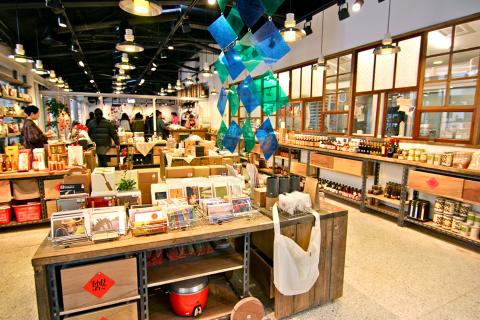
Photo: Catherine Shu, Taipei Times
Good Life Tea (好命茶) is made from leaves grown without pesticides or chemical fertilizers in Nantou County. www.howmean-tea.com
Upcoming Events
Starting on April 9, Simple Market will host an outdoor secondhand market every other Saturday at the Xinyi Public Assembly Hall. The Sunday market, which features handmade items and fresh produce, takes place weekly. An exhibition of rock singer and songwriter Wu Bai’s (伍佰) photography opens on April 5 at Good Cho’s and runs until May 5
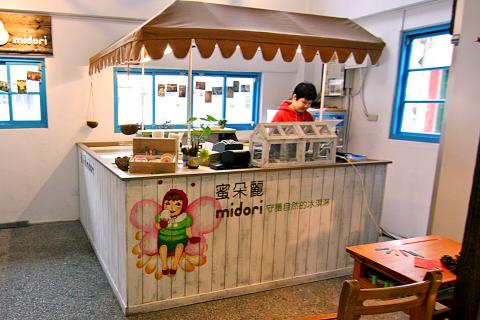
Photo: Catherine Shu, Taipei Times
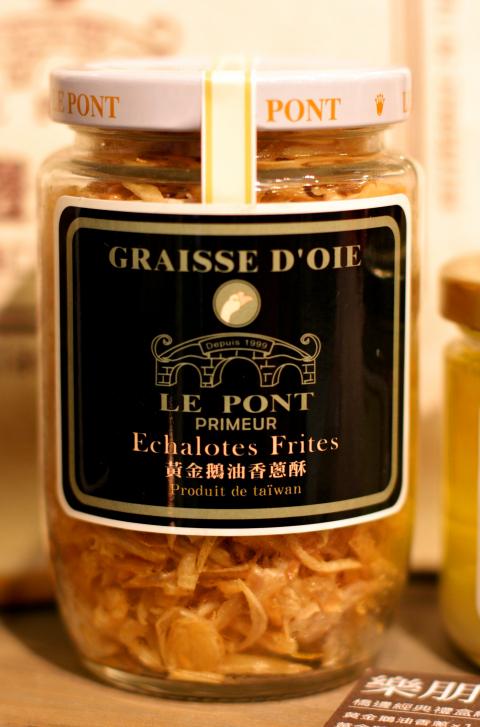
Photo: Catherine Shu, Taipei Times
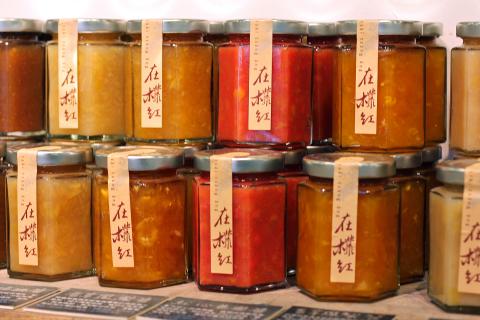
Photo: Catherine Shu, Taipei Times
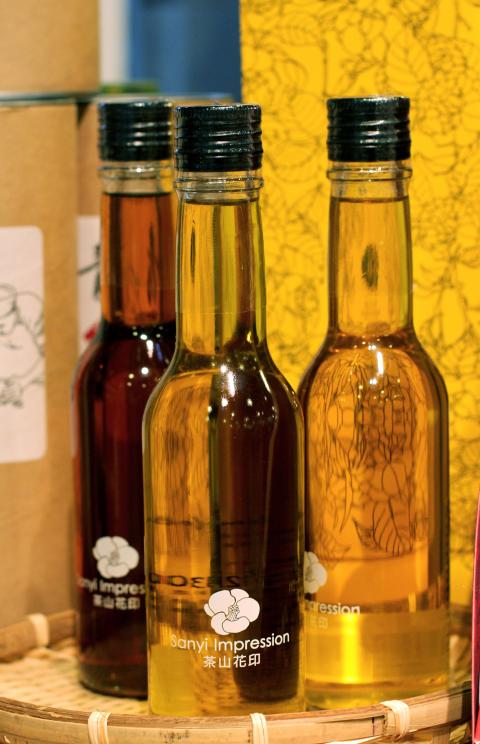
Photo: Catherine Shu, Taipei Times
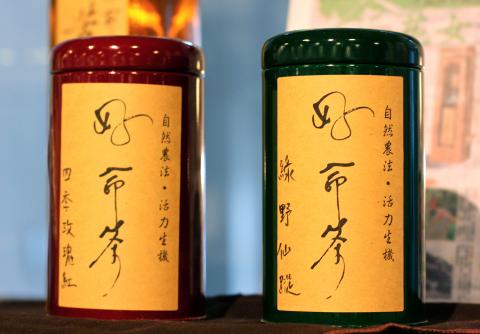
Photo: Catherine Shu, Taipei Times

Taiwan’s English education system is being pulled apart by three opposing forces. Bilingual Nation 2030 pulls students toward English and global communication. Artificial Intelligence (AI) readiness pulls them toward digital judgment, verification and AI-mediated work. But Taiwan’s old exam culture pulls them back toward memorization, grammar drills, timed reading and correct answers. If the education system keeps using old exams to define success, it risks producing graduates who are neither genuinely bilingual nor genuinely AI-ready, but trained for tasks machines can already perform. The first force is Bilingual Nation 2030. Launched in 2018, the policy aimed to “help Taiwan’s workforce connect
It seems every few days one bumps into one of those “real man” comments in which Taiwan is urged to “face reality” or similar, and “make a deal,” with the speaker implying that soon it will be too late. “Deal” advocates always present themselves as having a superior grip on reality, and the manly ability to make the “hard choice.” Their testosterone-laden language often echoes that of Taiwan sellout advocates. Note that such commentary always specifies a process (“make a deal, work with, make progress”), never the end state of what occupation by a violent authoritarian colonialist state will entail. In

“Taiwan’s Opposition Leader Comes to US With a Message Straight Out of Beijing” read a May 31 headline in the Wall Street Journal. Top US administration officials and members of Congress almost certainly read the WSJ, and if there was a bullet point takeaway that people in Washington should absorb ahead of Chinese Nationalist Party (KMT) Chair Cheng Li-wun’s (鄭麗文) arrival in DC on June 9, that headline is it. The last few columns have discussed this very topic, and the timing is not coincidental. While those top officials likely do not read the Taipei Times, judging by the number
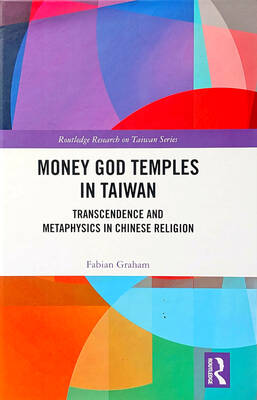
As someone who normally steers clear of books with “transcendence” or “metaphysics” in their subtitles, this reviewer — a casual observer of local belief systems since the 1990s — found Fabian Graham’s Money God Temples in Taiwan a challenging read. Those who’ve only dipped their toes into temple culture will likely need to parse several sections with special care if they’re to keep up with the author, a British ethnographic researcher whose previous books have investigated religious practices among ethnic Chinese in Southeast Asia. This scholarly volume examines a facet of Taiwan’s religious landscape that didn’t exist a century ago, and


 RSS
RSS