


From the breathtaking vistas of the East Rift Valley (花東縱谷), a strip of land sandwiched between the Central and Coastal mountain ranges, which stretch from Hualien (花蓮) to Taitung (台東), to the turquoise waters of the Pacific Ocean, the spectacularly beautiful east coast is home to an abundance of Aboriginal villages.
Hualien
Life in the Pangcah (Amis) tribe community of Fataan, located at the foot of Masishan (馬錫山) next to the extensive wetlands along Fudeng Creek (芙登溪) in Hualien County, ticked along in tune with the natural surroundings long before the area became an ecotourism hot spot.
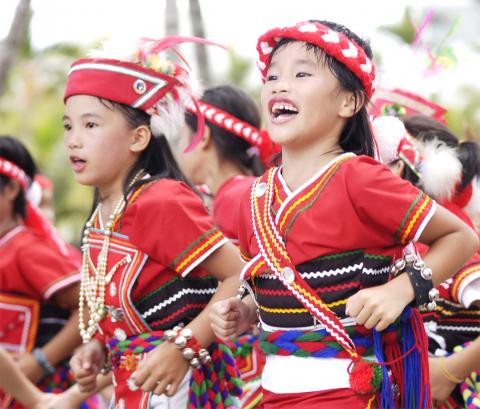
Photo: Taipei Times
The name of the Aboriginal hamlet derives from fataan, the Amis word for the pigeon pea, a type of legume that thrives in the area and is a staple food in the villagers’ diet.
Sampling Pangcah cuisine is a must when visiting the Fataan Wetland (馬太鞍濕地) as local chefs and housewives are noted for their culinary skills with wild vegetables, such as the pigeon pea, bitter gourd and bamboo.
Visitors can try their hand at palakaw, the Pangcah tribe’s traditional method of fishing, for which a three-level structure is submerged in a lakaw, or manmade fish pool. Fish and crustaceans make the structure their home and are harvested by pulling the contraption out of the pond.
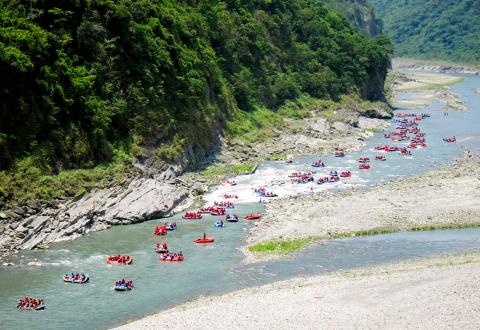
Photo: Taipei Times
For cyclists, the ride along the Fataan cycling trail is punctuated by impressive views of vast lotus fields. Bicycle outings can be extended to the nearby Kuangfu Sugar Factory (光復糖廠), which has been converted into a cultural park and whose centerpiece is some impressive Japanese architecture.
To explore more of the tribe’s arts and traditions, head over to the Pangcah village of Tabalang (太巴塱), located 3km from Fataan across the Kuangfu River (光復溪) and Jianung River (嘉農溪).
Meaning “white crab” in the Pangcah language, Tabalang is home to galleries and studios that focus on preserving the clan’s handicrafts and traditional huts and showcasing wood sculpture inspired by tribal life, myths and totems.
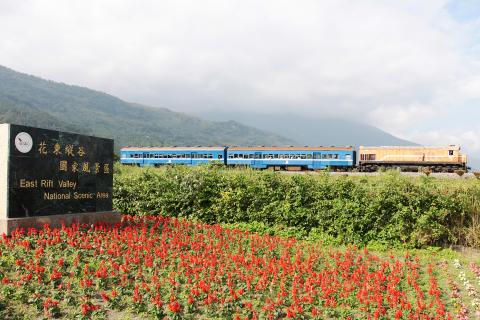
Photo: Taipei Times
Nearby tourist destinations such as Ruisui Ranch (瑞穗牧場) and Ruisui Hot Spring (瑞穗溫泉) attract swarms of vacationers. But for a more relaxing hot spring experience try Hongyeh Hot Spring House (紅葉溫泉旅社), which lies across the Hongyeh Bridge (紅葉大橋). The quiet resort’s well-preserved Japanese architecture looks like it has been frozen in time.
GETTING THERE
Fataan is located on Provincial Highway 9 (台九線) in Kuangfu Township (光復鄉), Hualien County. To get there by rail, head to Taiwan Railway Administration’s Kuangfu Station (光復車站)
WHERE TO STAY
? Lalan’s Home (拉藍的家, www.lalan-unak.com)
The establishment also doubles as the Fataan Cultural and Historical Studio (馬太鞍文史工作室). Owner Lalan Unak is a Fataan native who promotes Pangcah culture through workshops on the wetlands’ ecology
? Shin-liu Farm (欣綠農園, www.shin-liu.com)
The lodging is known for making feasts out of the wetland’s flora and fresh catches from Futeng Creek
Some 10km east of Ruisui Railway Station (瑞穗車站), the Pangcah hamlet of Kiwit (奇美) is located beside the Siuguluan River (秀姑巒溪), which cuts through the pristine countryside of the Coastal Mountain Range (海岸山脈).
Rafting is popular on the river, but the activity isn’t just about adventure. The Aboriginal guides are mines of information on tribal history and culture, including objects such as wisdom stones, which are used to forecast the weather, and sites such as a cave in which Aborigines used to hide food from Japanese colonizers.
The nearby Kiwit Indigenous Peoples Museum (奇美原住民文物館) offers visitors an in-depth exploration of the village, including its fishing ceremony, harvest festival and the Pangcah’s unique kaput social system, which groups tribal members in several age ranges and assigns specific responsibilities to each.
Heading further east, the drive along the Ruikang Industry Road (瑞港道路) across the Central Mountain Range takes travelers to Makudaai (港口) village at the mouth of Siuguluan River and the Pacific Ocean. The Pangcah village is an artistic community that’s home to private studios, such as Pakeriran Art Village (巴克力藍藝術村) and Xianglian Workshop (項鍊工作室), at which local artists display their work.
Though village life may seem peaceful, tension bubbles beneath the surface. The residents’ “return our land” (還我土地) movement is engaged in a campaign to stop the government and big business from building parks and resorts on the tribe’s ancestral land.
GETTING THERE
Kiwit is located on Ruikang Industry Road between Ruisui and Takangkou (大港口) at the mouth of Siuguluan River. The mountain route takes in breathtaking views as it winds through the Central Mountain Range alongside the river.
To reach Makudaai, either drive along the Ruikang Industry Road or take Taiwan Provincial Highway 11 (台11線) along the East Coast.
WHERE TO STAY
? Kiwit
To make reservations at traditional tribal thatched houses, contact Wu Ming-chi (吳明季) on 0911-030-738 or (03) 899-1221, or send an e-mail to falahan@ms43.hinet.net. Group tours and rafting trips can also be arranged
? Makudaai
Contact Chen Ying-yan (陳英彥) on 0926-330-842 or send an e-mail to lafay@ms76.hinet.net to book accommodations and guided tours
Taitung
Further south on Provincial Highway 11, tranquil villages dot the shore of the Pacific Ocean, backed by lush mountains.
The most popular destination among them is Dulan (都蘭), home to mostly Pangcah Aborigines and artists, musicians and hippies. Visitors can sample the village’s vibrant cultural life at the Dulan Sugar Factory (都蘭糖廠), which stopped production in 1991 and was converted into an artistic center comprising a theater, gallery, workshops and a cafe that hosts live music performances.
To enjoy unobstructed views, weather permitting, of the glittering sea and Green Island (綠島), which lies some 33km off the coast, hike the 4km-long Dulan trail to the misty Dulanshan (都蘭山), revered as a sacred mountain by the Puyuma (卑南) and Pangcah tribes.
Perched high on a hill, Moonlight Inn (月光小棧, www.ewuyu.com) provides tired hikers with refreshments inside its elegant, two-floor Japanese-style building, which houses a cafe and gallery space.
Further south still, sandy beaches and coconut palms can be found in Marongarong (瑪洛阿瀧) village in Taitung’s Donghe Township (東河鄉).
With surf shops offering simple accommodations along the shore, the small Pangcah community has become a mecca for surfers. Activities include fishing and rafting on the Mawuku River (馬武窟溪).
Meanwhile, the nearby Pangcah village of Tulik (都歷) boasts unspoiled beaches, and if visitors are daring and persuasive enough, villagers have been known to take their bamboo rafts out for fishing trips.
GETTING THERE
All the villages are easily accessible via Highway Route 11
WHERE TO STAY
? Dulan
Dulan Breeze (來吹涼風, wind.e089.com.tw)
Moon Rise Inn (月昇都蘭, moonriseinn.com)
Tarot House (塔羅牌之屋, www.beach141.com)
PASA Lodge (PASA海岸民宿, tw.myblog.yahoo.com/pasa9503)
? Marongarong
Tropical Surf and Guesthouse (熱帶低氣壓, www.easttaiwan-surf.com)
Taitung Surf Shop and Hostel (台東衝浪旅店, tw.myblog.yahoo.com/taidongsurfshop)
To make a reservation to stay at a thatched house or book a guided tour, contact Lin Jung-chang (林榮章) of the Marongarong Cultural Development Association (瑪洛阿瀧文化發展協會) on 0963-270-108 or (089) 896-183
? Tulik
To make a reservation for the thatched Cilapasan Rest Station (七拉八山民宿) or book guided tours, contact Wu Hsiao-fan (吳筱帆) of the Tulik Community Development Association (都歷社區發展協會) on 0937-579-624
INFORMATION
‧ If you are aged between 15 and 30, Youth Travel Spots in Taiwan (青年壯遊點) offers guided trips to the country’s Aboriginal villages. Visit tour.youthtravel.tw/grandtour for details
‧ General travel information in English on the East Rift Valley can be found on the East Rift Valley National Scenic Area’s (花東縱谷國家風景區) Web site at www.erv-nsa.gov.tw
‧ For more information on the coastal Aboriginal villages that straddle Provincial Highway 11 between Hualien and Taitung, visit slow.ego886.com (in Chinese only)
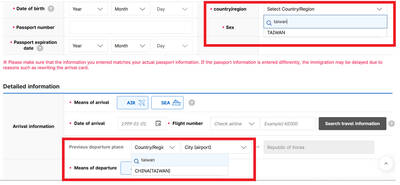
Jason Han says that the e-arrival card spat between South Korea and Taiwan shows that Seoul is signaling adherence to its “one-China” policy, while Taiwan’s response reflects a reciprocal approach. “Attempts to alter the diplomatic status quo often lead to tit-for-tat responses,” the analyst on international affairs tells the Taipei Times, adding that Taiwan may become more cautious in its dealings with South Korea going forward. Taipei has called on Seoul to correct its electronic entry system, which currently lists Taiwan as “China (Taiwan),” warning that reciprocal measures may follow if the wording is not changed before March 31. As of yesterday,

The Portuguese never established a presence on Taiwan, but they must have traded with the indigenous people because later traders reported that the locals referred to parts of deer using Portuguese words. What goods might the Portuguese have offered their indigenous trade partners? Among them must have been slaves, for the Portuguese dealt slaves across Asia. Though we often speak of “Portuguese” ships, imagining them as picturesque vessels manned by pointy-bearded Iberians, in Asia Portuguese shipping between local destinations was crewed by Asian seamen, with a handful of white or Eurasian officers. “Even the great carracks of 1,000-2,000 tons which plied
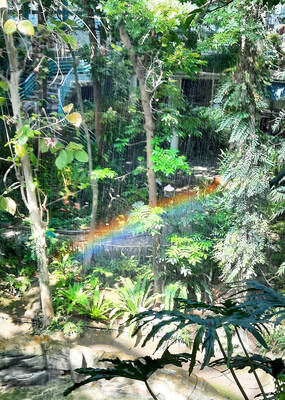
It’s only half the size of its more famous counterpart in Taipei, but the Botanical Garden of the National Museum of Nature Science (NMNS, 國立自然科學博物館植物園) is surely one of urban Taiwan’s most inviting green spaces. Covering 4.5 hectares immediately northeast of the government-run museum in Taichung’s North District (北區), the garden features more than 700 plant species, many of which are labeled in Chinese but not in English. Since its establishment in 1999, the site’s managers have done their best to replicate a number of native ecosystems, dividing the site into eight areas. The name of the Coral Atoll Zone might
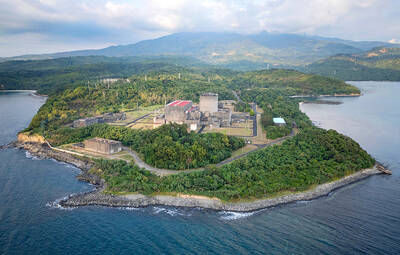
Nuclear power is getting a second look in Southeast Asia as countries prepare to meet surging energy demand as they vie for artificial intelligence-focused data centers. Several Southeast Asian nations are reviving mothballed nuclear plans and setting ambitious targets and nearly half of the region could, if they pursue those goals, have nuclear energy in the 2030s. Even countries without current plans have signaled their interest. Southeast Asia has never produced a single watt of nuclear energy, despite long-held atomic ambitions. But that may soon change as pressure mounts to reduce emissions that contribute to climate change, while meeting growing power needs. The


 RSS
RSS