


Prima Taste (百勝廚)
Address: 112 Changan E Rd Sec 2, Taipei
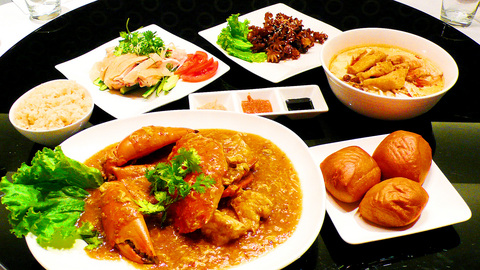
PHOTO: HO YI, TAIPEI TIMES
(台北市長安東路二段112號)
Telephone: (02) 2506-6118
Open: Sunday to Thursday from 11:30am to 3pm and 5:30pm to 10pm; Friday and Saturday from 11:30am to 3pm and 5:30pm to 11pm
Average meal: NT$300 for lunch; NT$450 for dinner
Details: Menu in Chinese and English; credit cards accepted
Having sprung up in Indonesia, Philippines, China, Canada and the US since 2000, Singapore's restaurant chain Prima Taste arrived in Taipei three months ago, offering a real taste of Singaporean cuisine.
"Since Singapore is a multiethnic society made up of Chinese, Malays, Indians and Eurasians, its food is a fusion," said operation manger David Huang (黃富承).
The island nation's world-famous Hainanese chicken is the offspring of such multicultural mingling. A marriage of a Hainan Island dish with local herbs such as the popular pandan leaves, the chicken is steamed in a special cooking machine developed by the food enterprise that cuts the preparation time from a few hours to 40 minutes while retaining the full flavor of the dish. The broth from this cooking process is used to cook the rice.
The chicken platter (NT$400) offers Hainanese chicken, crispy fried and soya chicken for customers who want to try all permutations of this classic dish.
Other iconic dish include pork rib tea soup (肉骨茶, NT$280), sparerib simmered with various Chinese medicines and spices and laksa, a bowl of rice noodles in a broth made of coconut milk, clam, fish cake, shrimp and fried bean curd (油豆腐), a typical Singaporean dish combining Chinese and Malay influences.
Claiming pride of place as the country's national dish, Singapore chili crab (NT$550) cooked with chili paste and tomato, ginger, chili and other spices, is guaranteed to enliven the taste buds.
Other specialties include rojak (NT$200), the sour-sweet fruit salad mixed with vegetables, peanuts, deep-fried dough (油條), fried bean curd and shrimp past. Otak (NT$200) is another popular appetizer. This dish is made from seafood paste seasoned with chili and coconut milk, then wrapped up in banana leaves before being grilled.
Prima Taste is planning to sell easy-to-cook packaged food in local department stores, and variety in its menu is ensured by the addition of new dishes every few months. And when you are there, remember to try out the iced barley water, the perfect accompaniment to the savory food.
Ajay Verma, a consultant gastroenterologist at Kettering general hospital in Northamptonshire, says our gut is a “complex machine.” “It is constantly providing us with the nutrition we need, initially to grow and develop, and then for us to survive, thrive and repair from injury and illness.” How can we keep it functioning well? Put simply: “Make sure what you put into it is balanced, and that you clear out its waste products adequately,” Verma says. “In a general gastroenterology clinic, the most common conditions we see are irritable bowel syndrome (IBS), gastroesophageal reflux disease, inflammatory bowel disease and constipation,” says Nisha
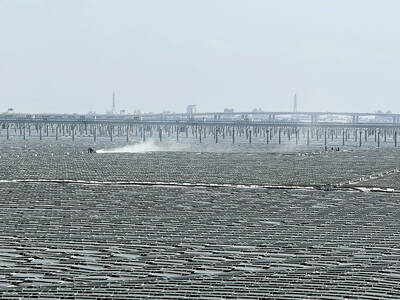
The arithmetic is straightforward and uncomfortable. By the end of 2025, Taiwan had committed itself to a 50-30-20 electricity mix — half natural gas, 30 per cent coal, 20 per cent renewables. The Ministry of Economic Affairs’s (MOEA) own monthly energy reports tell a different story. Natural gas reached 47.8 per cent of generation last year. Coal stood at 35.4 per cent, comfortably above its target ceiling. Renewables came in at 13.1 per cent, well short of the 20 per cent Taipei had pledged a decade earlier. Installed renewable capacity reached roughly half of the 12 gigawatts (GW) the government

Last week US President Donald Trump was asked by a reporter whether he would speak on the phone to the President of Taiwan. “l’ll speak to him. I speak to everybody. We have that situation very well in hand,” Trump said. This marked the second time in a couple of weeks he had said he would talk to the President of Taiwan. In 2016 he famously took a call from then-president Tsai Ing-wen (蔡英文), when he was president-elect. Despite warnings that the apocalypse was nigh because of a phone call, the world quickly forgot about the conversation between two democratically-elected presidents.
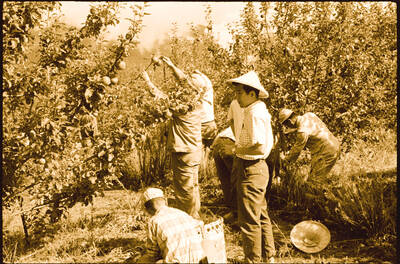
May 25 to May 31 Few believed that apples could be cultivated on a commercial scale in Taiwan’s high mountains. When horticulturalist Cheng Chao-hsiung (程兆熊) first proposed the idea in 1955, both American and Taiwanese colleagues dismissed it as implausible, arguing that temperate fruit could not be reliably grown on a subtropical island, especially on rugged terrain. However, it was this terrain in the Central Mountain Range where many Chinese Civil War veterans were resettled in the late 1950s. With limited job prospects and no family in Taiwan, they were placed on cooperative farms aimed toward self-sufficiency. Some say the conditions


 RSS
RSS