


The National Place Museum's (NPM, 國立故宮博物院) reopening celebrations reflect the world-famous repository of Chinese treasures' new priority: to become a living cultural center.
In accordance with its new ethos, NPM is holding an art fair featuring handicrafts and innovative designs by local artists drawing inspiration from Sung Dynasty art and an outdoor festival with performances by Ming Hwa Yuan Taiwanese Opera Troupe (明華園戲劇團), Ju Percussion Group (朱宗慶打擊樂團) and U Theater (優劇場) this weekend and next.
Envisaged as a futuristic museum that embraces technology, NPM has digitized archives and constructed an e-learning Web site to reach out to a global audience and facilitate academic exchanges. Through the utilization of digital technologies, ancient objects have been given a new lease on life.
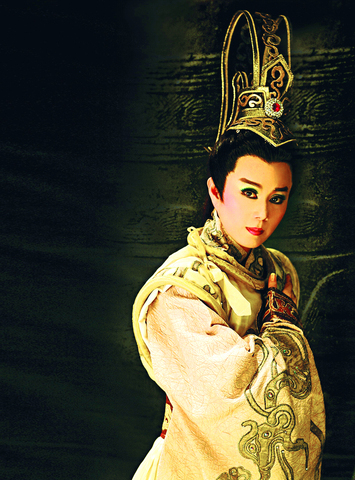
PHOTO COURTESY OF NPM
Under the leadership of the museum's first female director, Lin Man-li (林曼麗), NPM will invite guest curators to give fresh perspectives on its vast collection of Chinese treasures.
As a forward thinking veteran art professional, Lin has initiated the "Old is New" project that has seen NPM collaborate with local design teams and international design brands such as Alessi to modernize the museum's image. The online museum store opened last year, and is an ambitious project to market the NPM as a brand, sell replicas and create added value to its vast unexplored treasures.
With the multimedia learning area, renovated film screening facility, spacious gift store and the adjacent three-floor building that houses restaurants and is scheduled to open by the end of the year, NPM has made fast progress towards making distant history relevant to contemporary life.
First kicked off by Japan's highly regarded Noh theater group last weekend, NPM's series of outdoor performance highlights the concept of "Old is New" by featuring local performing groups that fuse the traditional with contemporary aesthetics. Ming Hwa Yuan Taiwanese Opera Troupe, Ju Percussion Group and U Theater will perform tonight, tomorrow and Sunday, respectively.
The 70-year-old Ming Hwa Yuan troupe will feature stage and lighting designs in the form of popular open air theater (野台戲) and present its bold new piece about a junior high student who travels back to the Ming Dynasty in a time machine and helps the dynasty's founder, Chu Yuan-chang (朱元璋), forge his empire.
Taiwan's foremost percussion ensemble Ju Percussion Group's line-up blends world music with a local flavor. Song of Guatamala and Latin Rhapsody are a musical journey from Africa to South America; percussion instruments from the East and West will be played together in Welcome the New Year while The Happy Dining Car is a battle between musical instruments and household utensils. The ensemble will also feature its classic works such as Masks in which masked taiko drummers strike out dramatic beats accompanied by marimba players.
The acclaimed U Theater will demonstrate the rigorous training its members follow and their artistry in meditation, martial arts, drumming and modern theater. Sunday's featured masterpieces include The Great Lion's Roar, a story about a warrior's quest for wisdom and bravery during the journey to a mountain peak.
Each group will hold discussions and demonstration sessions prior to performances from 4:30pm to 5:30pm each day.
For visitors who would like to relish the celebrated exhibitions at a leisurely pace, NPM is extending its opening time until 8:30pm today, tomorrow and on Feb. 16 and Feb. 23 and will look into the possibility of staying open later permanently if the move is well received.
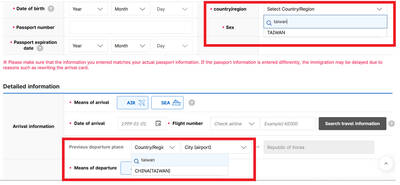
Jason Han says that the e-arrival card spat between South Korea and Taiwan shows that Seoul is signaling adherence to its “one-China” policy, while Taiwan’s response reflects a reciprocal approach. “Attempts to alter the diplomatic status quo often lead to tit-for-tat responses,” the analyst on international affairs tells the Taipei Times, adding that Taiwan may become more cautious in its dealings with South Korea going forward. Taipei has called on Seoul to correct its electronic entry system, which currently lists Taiwan as “China (Taiwan),” warning that reciprocal measures may follow if the wording is not changed before March 31. As of yesterday,
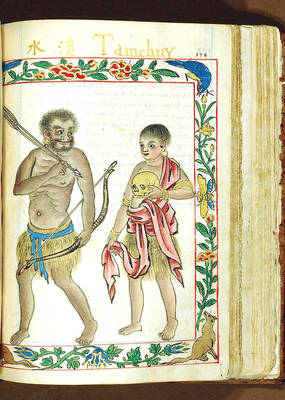
The Portuguese never established a presence on Taiwan, but they must have traded with the indigenous people because later traders reported that the locals referred to parts of deer using Portuguese words. What goods might the Portuguese have offered their indigenous trade partners? Among them must have been slaves, for the Portuguese dealt slaves across Asia. Though we often speak of “Portuguese” ships, imagining them as picturesque vessels manned by pointy-bearded Iberians, in Asia Portuguese shipping between local destinations was crewed by Asian seamen, with a handful of white or Eurasian officers. “Even the great carracks of 1,000-2,000 tons which plied
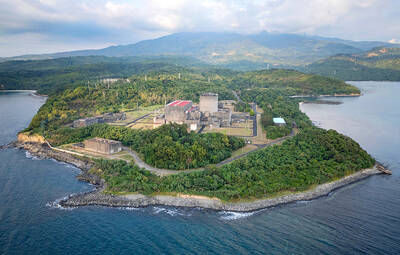
Nuclear power is getting a second look in Southeast Asia as countries prepare to meet surging energy demand as they vie for artificial intelligence-focused data centers. Several Southeast Asian nations are reviving mothballed nuclear plans and setting ambitious targets and nearly half of the region could, if they pursue those goals, have nuclear energy in the 2030s. Even countries without current plans have signaled their interest. Southeast Asia has never produced a single watt of nuclear energy, despite long-held atomic ambitions. But that may soon change as pressure mounts to reduce emissions that contribute to climate change, while meeting growing power needs. The
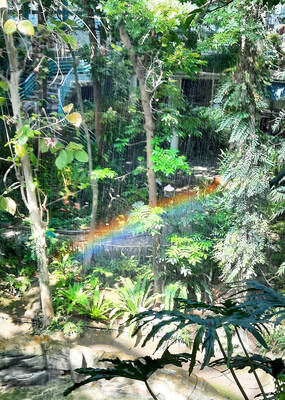
It’s only half the size of its more famous counterpart in Taipei, but the Botanical Garden of the National Museum of Nature Science (NMNS, 國立自然科學博物館植物園) is surely one of urban Taiwan’s most inviting green spaces. Covering 4.5 hectares immediately northeast of the government-run museum in Taichung’s North District (北區), the garden features more than 700 plant species, many of which are labeled in Chinese but not in English. Since its establishment in 1999, the site’s managers have done their best to replicate a number of native ecosystems, dividing the site into eight areas. The name of the Coral Atoll Zone might


 RSS
RSS