


The too-good-to-be true South Korean actor Bae Yong-joon (
It wasn't just the press who flocked for the arrival of Bae. Fans and groupies from all over Asia came to catch a glimpse of the superstar. It was reported that at the airport on the day of Bae's arrival, the floor shook due to the amount of adoring fans.
In the public's eye Bae is a near perfect role model. After all, he has donated over NT$3 millions to help educate Aboriginal Taiwanese children and finds time in his busy schedule to visit seriously ill fans. During his visit to Taiwan, Bae was said to be polite, humble and generally looked happy to be here.
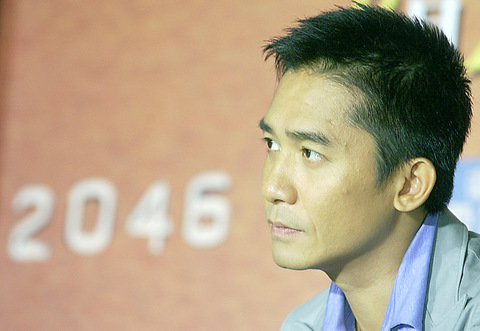
PHOTO: TAIPEI TIMES
It's not all good news for Bae, however, since a Taiwanese celebrity showed his dislike of the superstar during his visit. Rock star Chang Chen-yue (
Unfortunately for Japanese pop singer Seiko Matsuda (
Like Bae, Leung arrived in Taipei last week for a promotional event, but arrived one day earlier so he could get more public attention. Leung simply smiled when he was questioned about competing with the South Korean star at a press conference, and went on to talk about his

PHOTO: TAIPEI TIMES
Hollywood plans.
According to the Liberty Times, Leung met up with the novelist Lawrence Block to talk about a detective script tailor-made for the actor. When Leung makes his Hollywood debut he is expected to be the producer and the leading actor.
Overshadowed and most likely jealous of the new babes in showbiz, such as Lin Chih-ling (

PHOTO: TAIPEI TIMES
Pleading for forgiveness, love cheat Wang Yu (
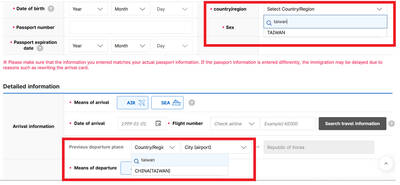
Jason Han says that the e-arrival card spat between South Korea and Taiwan shows that Seoul is signaling adherence to its “one-China” policy, while Taiwan’s response reflects a reciprocal approach. “Attempts to alter the diplomatic status quo often lead to tit-for-tat responses,” the analyst on international affairs tells the Taipei Times, adding that Taiwan may become more cautious in its dealings with South Korea going forward. Taipei has called on Seoul to correct its electronic entry system, which currently lists Taiwan as “China (Taiwan),” warning that reciprocal measures may follow if the wording is not changed before March 31. As of yesterday,

The Portuguese never established a presence on Taiwan, but they must have traded with the indigenous people because later traders reported that the locals referred to parts of deer using Portuguese words. What goods might the Portuguese have offered their indigenous trade partners? Among them must have been slaves, for the Portuguese dealt slaves across Asia. Though we often speak of “Portuguese” ships, imagining them as picturesque vessels manned by pointy-bearded Iberians, in Asia Portuguese shipping between local destinations was crewed by Asian seamen, with a handful of white or Eurasian officers. “Even the great carracks of 1,000-2,000 tons which plied
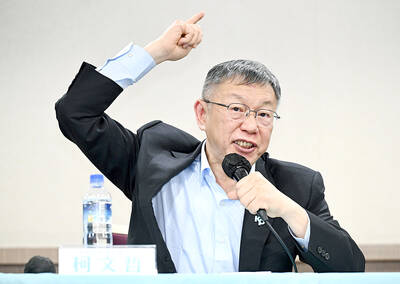
On Thursday, former Taipei mayor and founder of the Taiwan People’s Party (TPP) Ko Wen-je (柯文哲) was sentenced to 17 years in prison and had his civil rights suspended for six years over corruption, embezzlement and other charges. Seven others related to the case were also handed prison sentences, while two were found not guilty. It has been a bad week for the TPP. On Tuesday, prosecutors charged Chinese immigrant Xu Chunying (徐春鶯) with suspicion of taking part in Beijing-directed election interference. Xu has strong links to the TPP, which once offered her a party list legislator nomination. Tuesday also
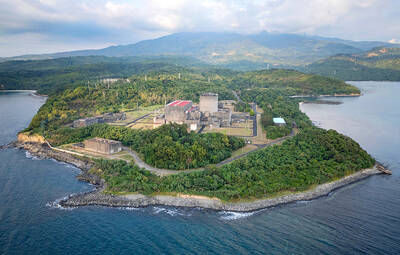
Nuclear power is getting a second look in Southeast Asia as countries prepare to meet surging energy demand as they vie for artificial intelligence-focused data centers. Several Southeast Asian nations are reviving mothballed nuclear plans and setting ambitious targets and nearly half of the region could, if they pursue those goals, have nuclear energy in the 2030s. Even countries without current plans have signaled their interest. Southeast Asia has never produced a single watt of nuclear energy, despite long-held atomic ambitions. But that may soon change as pressure mounts to reduce emissions that contribute to climate change, while meeting growing power needs. The


 RSS
RSS