


The traveling World Press Photo Exhibition for 2000 has covered a lot of ground, presenting some of the defining moments of 1999 to audiences all over the world. On tour since June, the exhibition opens at Taipei's Taiwan Museum tomorrow, coming to the venue for the second consecutive year thanks to sponsorship from the Premier Foundation.
The photos on display were selected from 42, 215 submissions handed in by 3,981 photographers from 122 countries. According to Semke Rotteveel, the curator of the exhibition, in selecting the World Press Photo of the Year, the jury was looking to find a defining image for the 20th century. The face of a refugee on the streets of Kukes in Albania, battered but unbowed, silent yet powerfully expressive, took the prize. "The image is not bound by time or place," Rotteveel said. Claus Bjorn Larsen, the photographer described the circumstances in which it was taken: "... nobody knew him. He couldn't say anything, he just stood looking at me. Then he walked off into the crowd and we never saw him again." A bleak image of what the 20th century has achieved.

PHOTO: COURTESY OF WORLD PRESS PHOTO
Although 34 Taiwanese photographers submitted work for the World Press Photo Exhibition 2000, none managed a repeat of Taiwan native Chang Chien-chi's (
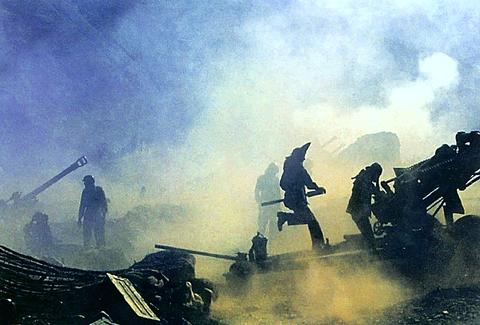
PHOTO: COURTESY OF WORLD PRESS PHOTO
"The best photos are those that show the involvement of the photographers," Rotteveel said.
Commenting on the lack of Taiwanese presence in international festivals such as World Press Photo, press photographer Chen Cheng-chang (陳正昌) said that Taiwan's media environment did not lend itself to high-quality work. Shooting everything from political gatherings to theatrical performances, often in the same day, he said, leaves little chance to achieve arresting images.
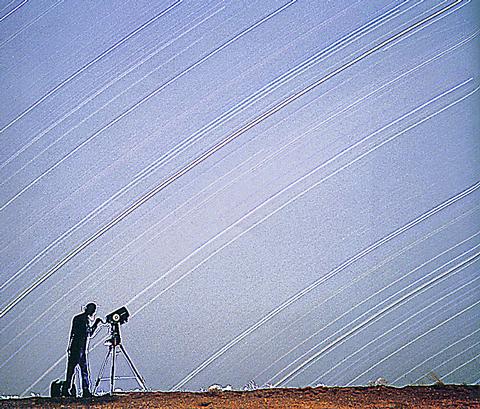
PHOTO: COURTESY OF WORLD PRESS PHOTO
Chen also pointed out that Taiwan's formerly repressive political environment hampered participation in exhibitions of this sort. "Mostly, photo exhibitions served propaganda purposes," he said, so many photographers refused to participate.
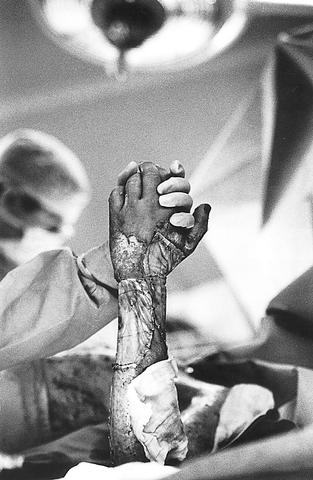
PHOTO: COURTESY OF WORLD PRESS PHOTO
This year, Taiwan is represented by one image, a shot of the rescue efforts after the 921 earthquake, second prize winner in the general news category. "In portraying the East, it is always novelty or horror that appeals," Chen said, suggesting that even outstanding exhibitions like the World Press Photo show reflected a Western perspective.
"After all, they invented the language [of press photography]," he said.
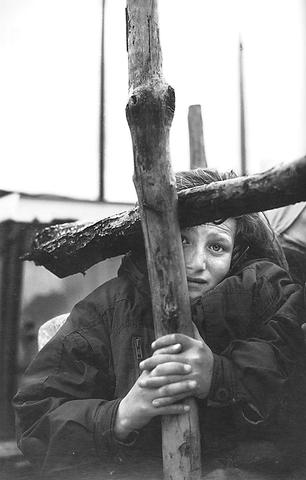
PHOTO: COURTESY OF WORLD PRESS PHOTO
Control of this language of photography has also proved to be an issue within the World Press Photo foundation. At a panel discussion related to the current exhibition, published in the foundation's newsletter, Grazia Neri, president of the Agenzia Grazia Neri, pointed out the risk of "the homogenization in visual communication."
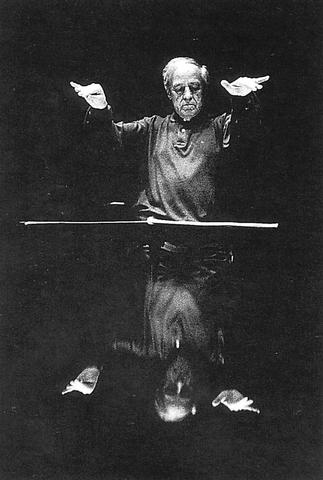
PHOTO: COURTESY OF WORLD PRESS PHOTO
Referring to the US preeminence in press photography in the last century, he said, "The fact that Americans were so clever in editing stories has meant that history is seen more through American than European eyes." With its international jury, Rotteveel said that the World Press Photo exhibition has sought to avoid this kind of bias. But with so many photos and issues, it is hardly surprising that some countries feel under-represented.
Whatever else it may be, the World Press Photo exhibition is an invitation to question the way we see the world.
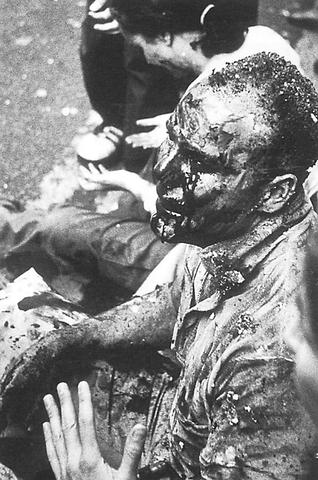
PHOTO: COURTESY OF WORLD PRESS PHOTO
WHAT World Press Photo 2000 Exhibition
PHOTO: COURTESY OF WORLD PRESS PHOTO
WHEN Dec. 9 to Jan. 3, 10am - 4:30pm (closed Mondays)
WHERE Taiwan Museum (國立台灣博物館), No. 2, Hsiangyang Rd., Taipei (北市襄陽路2號).
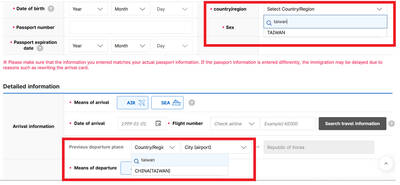
Jason Han says that the e-arrival card spat between South Korea and Taiwan shows that Seoul is signaling adherence to its “one-China” policy, while Taiwan’s response reflects a reciprocal approach. “Attempts to alter the diplomatic status quo often lead to tit-for-tat responses,” the analyst on international affairs tells the Taipei Times, adding that Taiwan may become more cautious in its dealings with South Korea going forward. Taipei has called on Seoul to correct its electronic entry system, which currently lists Taiwan as “China (Taiwan),” warning that reciprocal measures may follow if the wording is not changed before March 31. As of yesterday,

The Portuguese never established a presence on Taiwan, but they must have traded with the indigenous people because later traders reported that the locals referred to parts of deer using Portuguese words. What goods might the Portuguese have offered their indigenous trade partners? Among them must have been slaves, for the Portuguese dealt slaves across Asia. Though we often speak of “Portuguese” ships, imagining them as picturesque vessels manned by pointy-bearded Iberians, in Asia Portuguese shipping between local destinations was crewed by Asian seamen, with a handful of white or Eurasian officers. “Even the great carracks of 1,000-2,000 tons which plied
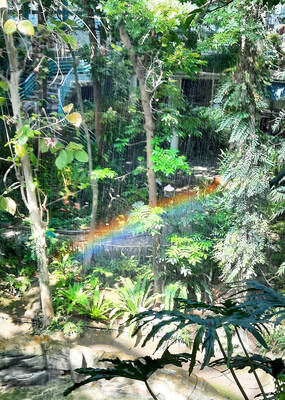
It’s only half the size of its more famous counterpart in Taipei, but the Botanical Garden of the National Museum of Nature Science (NMNS, 國立自然科學博物館植物園) is surely one of urban Taiwan’s most inviting green spaces. Covering 4.5 hectares immediately northeast of the government-run museum in Taichung’s North District (北區), the garden features more than 700 plant species, many of which are labeled in Chinese but not in English. Since its establishment in 1999, the site’s managers have done their best to replicate a number of native ecosystems, dividing the site into eight areas. The name of the Coral Atoll Zone might
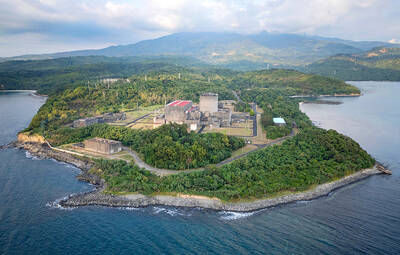
Nuclear power is getting a second look in Southeast Asia as countries prepare to meet surging energy demand as they vie for artificial intelligence-focused data centers. Several Southeast Asian nations are reviving mothballed nuclear plans and setting ambitious targets and nearly half of the region could, if they pursue those goals, have nuclear energy in the 2030s. Even countries without current plans have signaled their interest. Southeast Asia has never produced a single watt of nuclear energy, despite long-held atomic ambitions. But that may soon change as pressure mounts to reduce emissions that contribute to climate change, while meeting growing power needs. The


 RSS
RSS