


Higashimaru (東丸壽司)
31, Lane 308, Kuangfu S. Rd. (光復南路308巷31號); tel 27766066. 11am to 2:30pm, 5:30pm to 10pm. Average meal: NT$1000. No menu. Credit cards accepted.
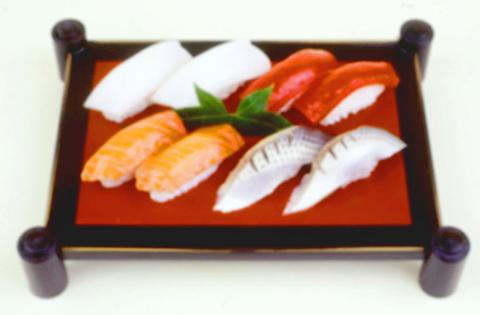
PHOTO: COURTESY HIGASHIMARU
If you haven't yet discovered that sushi is one of life's greater pleasures, go to Higashimaru. It's a small but exquisite restaurant with wooden floors and tables, where Chef Wang Hou-tung
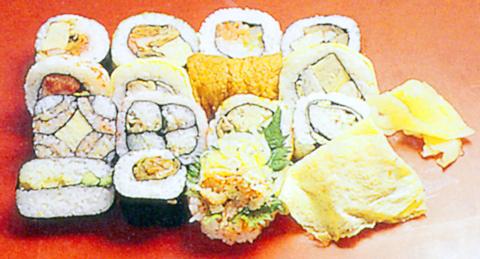
PHOTO: COURTESY EDO GIN
Eighty percent of the customers here are loyal sushi lovers, and some have followed Chef Wang, a 17-year veteran, from his previous workplace at Shintory -- one of Taipei's classiest Japanese restaurants. Of course, Higashimaru is less expensive, but not by much.
For first timers, the best way to enjoy the food is to let the chef serve you in front of the sushi bar. Wang suggests starting with lighter varieties of white-meat based fish, before moving on to fat-containing fish meat, such as tuna, salmon and yellow tail. This is important because some customers mainly eat the commonly known tuna or salmon sushi and miss the savory flavor of white fish, says Wang. Lastly, the chef suggests you have the stronger tasting fresh-water fish, most of which have shiny skin.
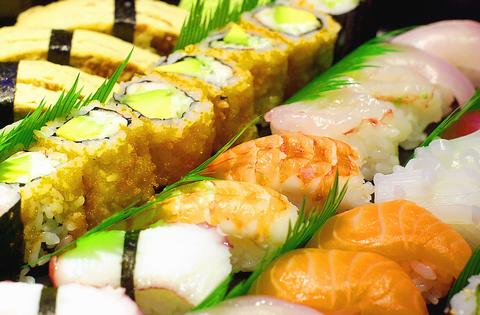
PHOTO: COURTESY KIRALA
After one course of sushi, munch on a slice of ginger to quell any bad breath and take a sip of Japanese green tea to prepare for the next course. At Higashimaru you can always dine on fish that you seldom find in other sushi places, Wang said, because everyday at 3am, he and his workers trek up to Keelung's fish market to make their selections. According to Wang, hailih, kishi and sweet prawn are among the three best for the current season. For other original dishes, try avocado sushi, grilled eel sushi and half-cooked beef sushi.
Edo Gin (江戶銀壽司)
38, Lane 8, Tienmu E. Rd. (天母東路8巷38號) tel: 2873-3227. 11:30am to 2pm, 5:30pm to 8pm. Average meal: NT$350. No menu. Credit cards not accepted.
In the lanes behind Taipei American School in Tienmu, there is an old Japanese chef who has been making his own traditional Tokyo flavor sushi for more than 10 years.
Tadao Fuji's sushi house, Edo Gin, looks no different from other small diners in the lane, but the taste in the house is no doubt Japanese. For Fuji, rice and water are the first crucial parts of sushi. "Because I come from a family that has a rice store in Ginza, Tokyo, I am especially selective about rice," he said. His insistence on using Koshihikari rice and Gingawa rice is a guarantee his sushi is chewy and solid. The house only uses electrolyzed water for food as well -- from washing the rice to making tea and soups.
At Edo Gin, everything is either from Japan or self-made. The vinegar and wine for seasoning the rice are from Japan. The pickles, the dry fish and all kinds of sauces are made by Fuji himself. A sushi chef for 20 more years, Fuji still works more than 12 hour a day.
Apart from nigiri sushi, Fuji also specializes in various sushi rolls. The house has 15 kinds of rolls with different colors and ingredients. A choice treat at Edo Gin is to try the house-made plum wine, and then have the combination of nigiri and rolls. Finish off with a bowl of miso soup.
Kirala
344, Fuhsing N. Rd. (復興北路344號); tel 2518-2888. 11:30am to 2:30pm, 5:30pm to 9:30pm. Average meal: NT$800. English menu. Credit cards accepted.
Kirala, which means glittering in Japanese, is a place where you can relax.
The blue-based interior design and delicate tableware generate a cool and elegant atmosphere. "Because we [partner owners] all work in the financial business and the restaurant is surrounded by many financial buildings, we would like a restaurant that can ease the work pressure of people who work in finance," said co-owner Joe Teng.
Three kinds of rolls are recommended: California Roll, made of avocado and shrimp, Salmon Skin Roll, made of shredded salmon skin and cucumber, and Prawn Tempura Roll, made of fried prawns, seaweed and a specially made sauce.
For something unusual, the house has an original dish called Pizza Sushi. It's made from layers of rice and tuna mixed with mayonnaise, and is slightly grilled with cheese.
Although Kirala is a East-meets-West restaurant, its main chef, Lee Chou-hua
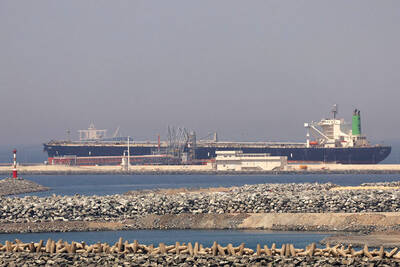
The breakwater stretches out to sea from the sprawling Kaohsiung port in southern Taiwan. Normally, it’s crowded with massive tankers ferrying liquefied natural gas from Qatar to be stored in the bulbous white tanks that dot the shoreline. These are not normal times, though, and not a single shipment from Qatar has docked at the Yongan terminal since early March after the Strait of Hormuz was shuttered. The suspension has provided a realistic preview of a potential Chinese blockade, a move that would throttle an economy anchored by the world’s most advanced and power-hungry semiconductor industry. It is a stark reminder of
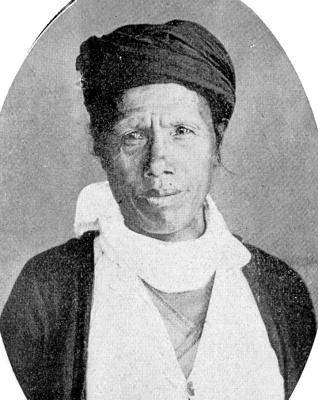
May 11 to May 17 Traversing the southern slopes of the Yushan Range in 1931, Japanese naturalist Tadao Kano knew he was approaching the last swath of Taiwan still beyond colonial control. The “vast, unknown territory,” protected by the “fierce” Bunun headman Dahu Ali, was “filled with an utterly endless jungle that choked the mountains and valleys,” Kano wrote. He noted how the group had “refused to submit to the measures of our authorities and entrenched themselves deep in these mountains … living a free existence spent chasing deer in the morning and seeking serow in the evening,” even describing them as
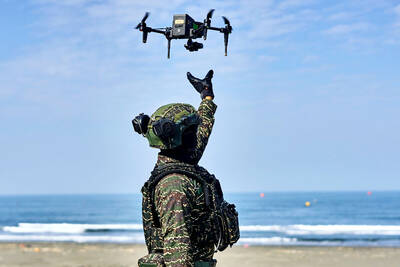
The last couple of weeks spectators in Taiwan and abroad have been treated to a remarkable display of infighting in the Chinese Nationalist Party (KMT) over the supplementary defense budget. The party has split into two camps, one supporting an NT$800 billion special defense budget and one supporting an NT$380 billion budget with additional funding contingent on receiving letters of acceptance (LOA) from the US. Recent media reports have said that the Taiwan People’s Party (TPP) is leaning toward the latter position. President William Lai (賴清德) has proposed NT$1.25 trillion for purchases of US arms and for development of domestic weapons
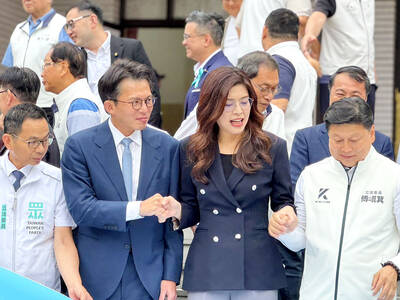
As a different column was being written, the big news dropped that Chinese Nationalist Party (KMT) caucus whip Fu Kun-chi (傅?萁) announced that negotiations within his caucus, with legislative speaker Han Kuo-yu (韓國瑜) of the KMT, party Chair Cheng Li-wun (鄭麗文), Taichung Mayor Lu Shiow-yen (盧秀燕) and Taiwan People’s Party (TPP) Chair Huang Kuo-chang (黃國昌) had produced a compromise special military budget proposal. On Thursday morning, prior to meeting with Cheng over a lunch of beef noodles, Lu reiterated her support for a budget of NT$800 or NT$900 billion — but refused to comment after the meeting. Right after Fu’s


 RSS
RSS