


As the Lunar New Year approaches, a season synonymous with joyous celebrations, feasting and social gatherings, the consumption of alcohol is often at the center of events. From toasts with family to business celebrations, alcohol plays a prominent cultural role in Taiwan. Kaoliang, Taiwan’s famous alcoholic beverage, exemplifies the cultural significance of alcohol. Known for its robust flavor and high alcohol content — typically 58 percent — Kaoliang is a staple at social gatherings, symbolizing tradition and indulgence. However, it is crucial to reflect on the health, societal and economic impacts of drinking, especially in light of recent developments and emerging evidence.
Alcohol, a known carcinogen, has been linked to increased risks of several cancers, including liver, esophageal and breast cancer. A US Surgeon General report this month underscores that even moderate alcohol consumption — one drink per day — elevates cancer risk. Alarmingly, Taiwan’s genetic predisposition to alcohol intolerance exacerbates these risks. About 50 percent of the Taiwanese population experiences facial flushing due to alcohol, a sign of impaired metabolism that significantly heightens the likelihood of alcohol-related cancers.
The health impacts extend beyond cancer. Alcohol is a leading contributor to liver disease, including cirrhosis, and accelerates fatty liver disease. In Taiwan, fatty liver disease affects a significant portion of the population, with alcohol consumption being a key aggravating factor. These conditions collectively increase the risk of liver cancer, which remains one of Taiwan’s most prevalent and deadly cancers. Persistent alcohol-induced inflammation compounds the problem, leading to long-term health consequences.
Furthermore, alcohol consumption has a tangible economic impact on Taiwan. Research indicates that alcohol-related diseases cost the National Health Insurance system approximately NT$5.3 billion (US$161.7 million) annually. Beyond healthcare expenses, alcohol is a significant factor in drunk-driving incidents, leading to preventable deaths, injuries and substantial insurance payouts by private companies. The societal costs of alcohol-related harm cannot be overstated, as they encompass loss of productivity, family disruptions and long-term disability.
Internationally, the narrative surrounding moderate drinking as “healthy” is being debunked. Studies by the US National Academies of Sciences reveal that earlier claims of alcohol’s cardiovascular benefits were based on flawed methodologies, including “abstainer bias” and inadequate controls for socioeconomic factors. The concept of a “J-curve” relationship, suggesting that moderate drinking reduces all-cause mortality, has been increasingly challenged. Methodological flaws in these studies indicate that moderate drinkers often have other lifestyle factors — such as higher income, better access to healthcare and healthier diets — that confound the results.
More recent analyses have shown that even modest drinking can reduce life expectancy. Some research estimates that one drink per day might shorten life expectancy by five minutes per drink, compounding over time. The evidence against moderate drinking has prompted countries like Canada to revise their guidelines, recommending no more than two drinks per week for low-risk alcohol consumption.
Amid these concerns, the Ministry of Finance’s decision to raise duty-free alcohol limits — from 1 liter to 1.5 liters — raises questions about the potential impact on public health. While aligning Taiwan’s policies with international norms might benefit importers and travelers, it risks sending a mixed message about the importance of drinking reduction. Kaoliang’s cultural prominence and high alcohol content further complicate efforts to curb alcohol consumption. As a symbol of tradition and celebration, it underscores the challenge of balancing cultural preservation with public health priorities.
To counteract these challenges, Taiwan must adopt a comprehensive approach to minimize alcohol-related harms. Public awareness campaigns should focus on educating the population about the dangers of alcohol consumption, particularly the heightened risks for those with alcohol intolerance. Recent findings provide an opportunity to dispel myths about “healthy” drinking and emphasize the direct links between alcohol and cancer. Tailored messaging could highlight the specific risks posed by Kaoliang, encouraging moderation and exploring cultural alternatives to drinking-centered celebrations.
Regulatory measures are another critical avenue. Increasing taxes on alcoholic beverages could serve as a deterrent and a means of generating revenue for healthcare initiatives. Simultaneously, restrictions on alcohol advertising — particularly targeting younger demographics — could help reduce the social normalization of drinking. Clear and visible warning labels on alcohol products, modeled after tobacco regulations, could further educate consumers about the risks.
Healthcare providers must also be equipped to address alcohol-related harms. Screening for alcohol use and offering culturally sensitive counseling should become standard practice. Physicians could play a pivotal role in early intervention, helping people reduce consumption before it leads to severe health issues. Moreover, integrating alcohol education into primary care visits could normalize discussions about drinking and its risks.
Community-level support is equally essential. Programs designed to assist people in reducing or quitting alcohol could provide vital resources, including counseling services, peer support networks and access to non-alcoholic alternatives. Collaborations between government agencies, non-profits and community groups could amplify these efforts, fostering a culture of health and wellness.
As Taiwan celebrates its rich cultural traditions, it is time to reconsider the role of alcohol. Public health efforts should encourage alternatives to drinking during festivities, such as non-alcoholic beverages or activities that emphasize family bonding and wellness. Kaoliang, while a cherished symbol of tradition, could coexist with a broader movement toward healthier celebrations. Highlighting its cultural significance without overemphasizing consumption could help shift societal norms.
The upcoming holidays offer an opportunity for reflection and action. Let us ensure that the celebrations of today do not compromise the health and well-being of tomorrow. By addressing alcohol’s risks head-on and fostering a culture that prioritizes health, Taiwan can lead by example in promoting a balanced approach to tradition and public health.
Y. Tony Yang is an endowed professor and associate dean at George Washington University.
A gap appears to be emerging between Washington’s foreign policy elites and the broader American public on how the United States should respond to China’s rise. From my vantage working at a think tank in Washington, DC, and through regular travel around the United States, I increasingly experience two distinct discussions. This divergence — between America’s elite hawkishness and public caution — may become one of the least appreciated and most consequential external factors influencing Taiwan’s security environment in the years ahead. Within the American policy community, the dominant view of China has grown unmistakably tough. Many members of Congress, as
The Hong Kong government on Monday gazetted sweeping amendments to the implementation rules of Article 43 of its National Security Law. There was no legislative debate, no public consultation and no transition period. By the time the ink dried on the gazette, the new powers were already in force. This move effectively bypassed Hong Kong’s Legislative Council. The rules were enacted by the Hong Kong chief executive, in conjunction with the Committee for Safeguarding National Security — a body shielded from judicial review and accountable only to Beijing. What is presented as “procedural refinement” is, in substance, a shift away from
The shifting geopolitical tectonic plates of this year have placed Beijing in a profound strategic dilemma. As Chinese President Xi Jinping (習近平) prepares for a high-stakes summit with US President Donald Trump, the traditional power dynamics of the China-Japan-US triangle have been destabilized by the diplomatic success of Japanese Prime Minister Sanae Takaichi in Washington. For the Chinese leadership, the anxiety is two-fold: There is a visceral fear of being encircled by a hardened security alliance, and a secondary risk of being left in a vulnerable position by a transactional deal between Washington and Tokyo that might inadvertently empower Japan
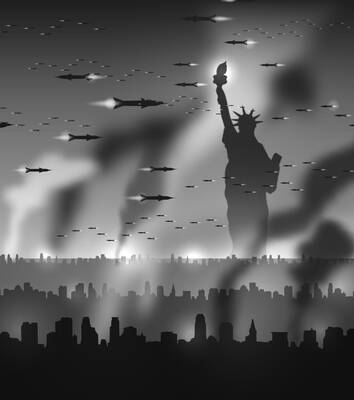
After declaring Iran’s military “gone,” US President Donald Trump appealed to the UK, France, Japan and South Korea — as well as China, Iran’s strategic partner — to send minesweepers and naval forces to reopen the Strait of Hormuz. When allies balked, the request turned into a warning: NATO would face “a very bad” future if it refused. The prevailing wisdom is that Trump faces a credibility problem: having spent years insulting allies, he finds they would not rally when he needs them. That is true, but superficial, as though a structural collapse could be caused by wounded feelings. Something


 RSS
RSS