


Meta Platforms Inc and Microsoft Corp have both taken drastic actions to trim their workforces in an effort to streamline their operations and offset heavy spending on artificial intelligence (AI).
Meta on Thursday told personnel in an internal memo that it planned to cut 10 percent of workers, or about 8,000 employees, starting on May 20. The social media company also said it would not fill 6,000 open roles.
Earlier in the day, Microsoft issued its own memo offering voluntary buyouts to thousands of its US employees. About 7 percent of the US workforce would be eligible for the buyouts, a person familiar with the planning said.
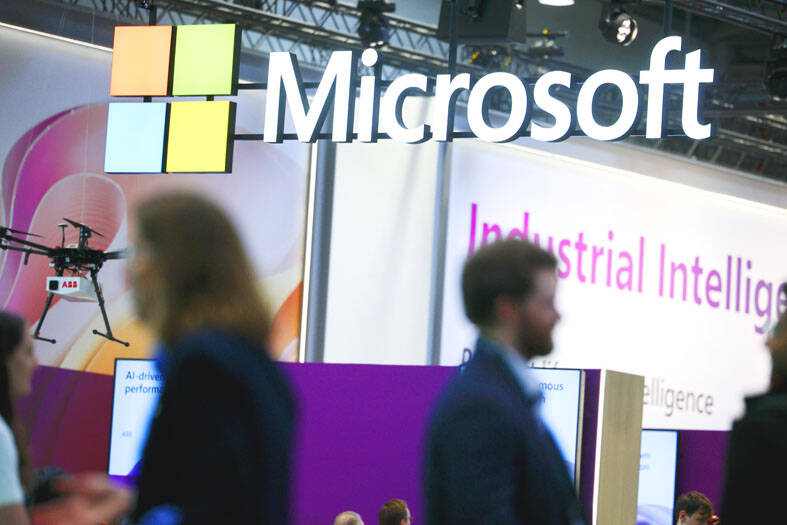
Photo: EPA
The company has never previously done buyouts of this scale, said the person, who requested anonymity to discuss an internal matter.
Microsoft had 125,000 employees in the US as of June last year. That would make about 8,750 workers eligible for the program.
Technology companies have been looking for ways to trim their expenses as they pour billions into data centers and other infrastructure to meet demand for AI services.
Microsoft is racing to construct data centers around the world, and this month announced new AI investments in Japan and Australia. Meta has forecast record capital expenditure this year, and has announced several multibillion-dollar deals with AI partners over the past few months. Both companies have instituted several rounds of layoffs.
Meta alluded to its AI spending in the memo, which was written by chief people officer Janelle Gale.
“We’re doing this as part of our continued effort to run the company more efficiently and to allow us to offset the other investments we’re making,” she wrote in the note.
Meta employees have spent much of the year fretting about job cuts, which already hit the Reality Labs division and other teams. Gale said that the company was announcing the layoffs early since details of the plan had already leaked. Reuters first reported on Meta’s planned workforce reductions earlier this month.
“I know this is unwelcome news and confirming this puts everyone in an uneasy state, but we feel this is the best path forward, given the circumstances,” Gale wrote.
Microsoft’s buyout program is being offered to workers whose years of service plus their age totals 70 or more, excluding some senior roles or those on sales incentive plans, according to the memo from chief people officer Amy Coleman.
“I’ve never seen the company move with this level of urgency and pace, and I see the intensity and agility you bring every day,” Coleman wrote. “To sustain this pace, we have to stay focused on doing great work, trusting and empowering our managers, and simplifying to support everyone.”
Shares of contract chipmaker Taiwan Semiconductor Manufacturing Co (TSMC, 台積電) came under pressure yesterday after a report that Apple Inc is looking to shift some orders from the Taiwanese company to Intel Corp. TSMC shares fell NT$55, or 2.4 percent, to close at NT$2,235 on the local main board, Taiwan Stock Exchange data showed. Despite the losses, TSMC is expected to continue to benefit from sound fundamentals, as it maintains a lead over its peers in high-end process development, analysts said. “The selling was a knee-jerk reaction to an Intel-Apple report over the weekend,” Mega International Investment Services Corp (兆豐國際投顧) analyst Alex Huang
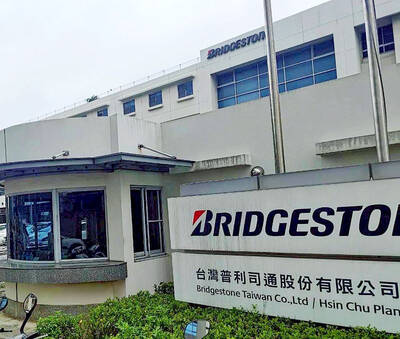
TRANSITION: With the closure, the company would reorganize its Taiwanese unit to a sales and service-focused model, Bridgestone said Bridgestone Corp yesterday announced it would cease manufacturing operations at its tire plant in Hsinchu County’s Hukou Township (湖口), affecting more than 500 workers. Bridgestone Taiwan Co (台灣普利司通) said in a statement that the decision was based on the Tokyo-based tire maker’s adjustments to its global operational strategy and long-term market development considerations. The Taiwanese unit would be reorganized as part of the closure, effective yesterday, and all related production activities would be concluded, the statement said. Under the plan, Bridgestone would continue to deepen its presence in the Taiwanese market, while transitioning to a sales and service-focused business model, it added. The Hsinchu

Taiwan Semiconductor Manufacturing Co (TSMC, 台積電) has approved a capital budget of US$31.28 billion for production expansion to meet long-term development needs during the artificial intelligence (AI) boom. The company’s board meeting yesterday approved the capital appropriation plan for purposes such as the installation of advanced technology capacity and fab construction, the world’s largest contract chipmaker said in a statement. At an earnings conference last month, TSMC forecast that its capital expenditure for this year would be at the higher end of the US$52 billion to US$56 billion range it forecast in January in response to robust demand for 5G, AI and

Taiwan Semiconductor Manufacturing Co’s (TSMC, 台積電) investment project in Arizona has progressed better than expected, but it still faces challenges such as water and labor shortages, National Development Council (NDC) Minister Yeh Chun-hsien (葉俊顯) said yesterday. Speaking with reporters after visiting TSMC’s Arizona hub and attending the SelectUSA Investment Summit in Maryland last week, Yeh said TSMC’s Arizona site turned a profit of NT$16.14 billion (US$514 million) last year in its first full year of mass production. “TSMC told me it was surprised by the smooth trial run of the first fab, which has left the company optimistic about the project’s outlook,”


 RSS
RSS