


Space Exploration Technologies Corp (SpaceX) is considering a dual-class share structure in its planned initial public offering (IPO) this year, mirroring a strategy its billionaire founder Elon Musk floated for Tesla Inc, people familiar with the matter said.
A two-tier structure would give select shareholders stock with extra voting power that would allow them to dominate decision making. The move would allow insiders such as Musk to maintain control of the company even with a minority stake.
The US rocket and satellite maker is also in the process of adding members to its board of directors, to help steer the initial public offering and drive Musk’s space ambitions beyond its core rocket and satellite business, the people said.
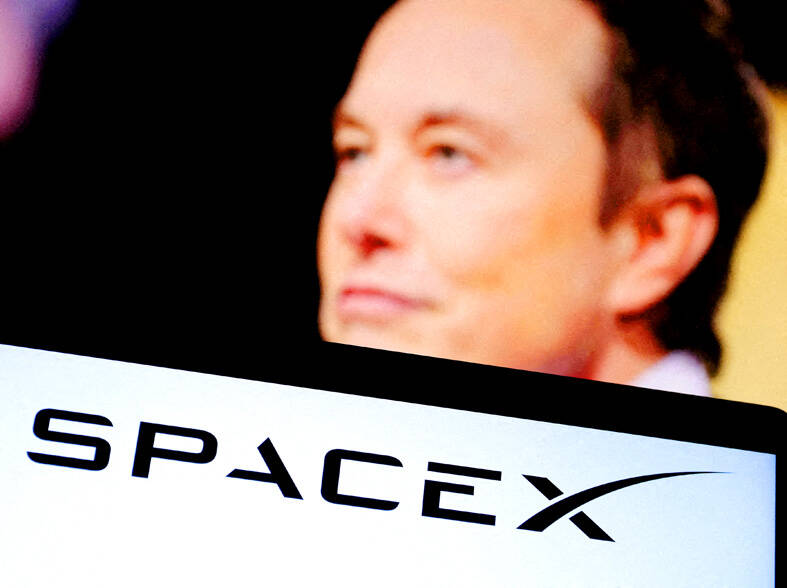
Photo: Reuters
SpaceX is seeking to hold an IPO later this year, in a deal that could raise as much as US$50 billion to fund artificial intelligence (AI) data centers in space and a factory on the moon. SpaceX recently acquired Musk’s xAI, moving the company beyond its core businesses into AI.
Deliberations are ongoing and details of the IPO could change, the people said, asking not to be identified as the information is not public.
Dual-class shares are common among US technology firms including Meta Platforms Inc and Google parent Alphabet Inc, and tend to be pitched as a way to enable founders to focus on a longer-term vision. The structure typically gives founders and insiders 10 or even 20 votes for each of their shares compared with only one vote for ordinary shares, which critics say makes them less accountable.
Under a dual-class structure that gives Musk super-voting shares, the billionaire would establish a bulwark against activist shareholders exerting changes at the company against his wishes.
Musk has praised the tiered structure and proposed the creation of a dual class of Tesla shares to have at least 25 percent voting control in the company, threatening to build his AI and robotics products elsewhere if he cannot achieve that level of influence.
“That’s not so much that I could control the company, even if I go bonkers,” he said in 2024.
Although he currently has about 11 percent of the shares, his new US$1 trillion compensation package could expand his stake to 25 percent or more over the next decade.
SpaceX has discussed the feasibility of a tie-up between SpaceX and Tesla, an idea that some investors are pushing.
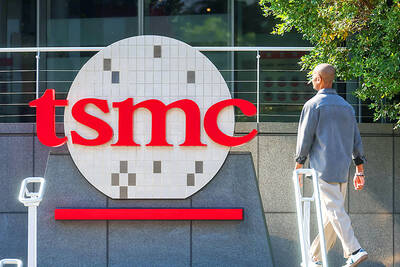
Shares of contract chipmaker Taiwan Semiconductor Manufacturing Co (TSMC, 台積電) came under pressure yesterday after a report that Apple Inc is looking to shift some orders from the Taiwanese company to Intel Corp. TSMC shares fell NT$55, or 2.4 percent, to close at NT$2,235 on the local main board, Taiwan Stock Exchange data showed. Despite the losses, TSMC is expected to continue to benefit from sound fundamentals, as it maintains a lead over its peers in high-end process development, analysts said. “The selling was a knee-jerk reaction to an Intel-Apple report over the weekend,” Mega International Investment Services Corp (兆豐國際投顧) analyst Alex Huang
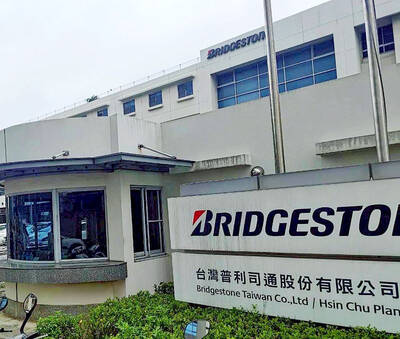
TRANSITION: With the closure, the company would reorganize its Taiwanese unit to a sales and service-focused model, Bridgestone said Bridgestone Corp yesterday announced it would cease manufacturing operations at its tire plant in Hsinchu County’s Hukou Township (湖口), affecting more than 500 workers. Bridgestone Taiwan Co (台灣普利司通) said in a statement that the decision was based on the Tokyo-based tire maker’s adjustments to its global operational strategy and long-term market development considerations. The Taiwanese unit would be reorganized as part of the closure, effective yesterday, and all related production activities would be concluded, the statement said. Under the plan, Bridgestone would continue to deepen its presence in the Taiwanese market, while transitioning to a sales and service-focused business model, it added. The Hsinchu
Taiwan Semiconductor Manufacturing Co (TSMC, 台積電) has approved a capital budget of US$31.28 billion for production expansion to meet long-term development needs during the artificial intelligence (AI) boom. The company’s board meeting yesterday approved the capital appropriation plan for purposes such as the installation of advanced technology capacity and fab construction, the world’s largest contract chipmaker said in a statement. At an earnings conference last month, TSMC forecast that its capital expenditure for this year would be at the higher end of the US$52 billion to US$56 billion range it forecast in January in response to robust demand for 5G, AI and
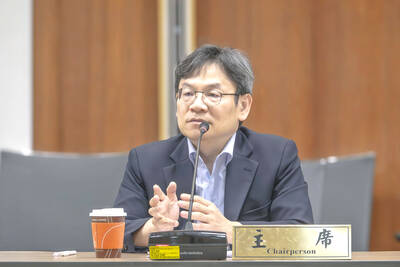
Taiwan Semiconductor Manufacturing Co’s (TSMC, 台積電) investment project in Arizona has progressed better than expected, but it still faces challenges such as water and labor shortages, National Development Council (NDC) Minister Yeh Chun-hsien (葉俊顯) said yesterday. Speaking with reporters after visiting TSMC’s Arizona hub and attending the SelectUSA Investment Summit in Maryland last week, Yeh said TSMC’s Arizona site turned a profit of NT$16.14 billion (US$514 million) last year in its first full year of mass production. “TSMC told me it was surprised by the smooth trial run of the first fab, which has left the company optimistic about the project’s outlook,”


 RSS
RSS