


Central Depository Insurance Corp (CDIC, 中央存保) has auctioned a 15.1 percent stake in Taipei 101 operator Taipei Financial Center Corp (TFCC, 台北金融大樓), with two affiliates of the Hung Tai Group (宏泰集團) winning the bid for NT$8.6 billion (US$272.6 million).
The shares, previously held by China United Trust Investment Co (中聯信託), were jointly acquired by Hung Tai Life Insurance Co (宏泰人壽) and Chengda Investment Co (呈達投資) at NT$38.72 per share — just 0.05 percent above the floor price of NT$38.7 set by CDIC.
The auction attracted six bidders, CDIC said, adding that the transaction would proceed only if existing shareholders waive their right of first refusal by March 5.
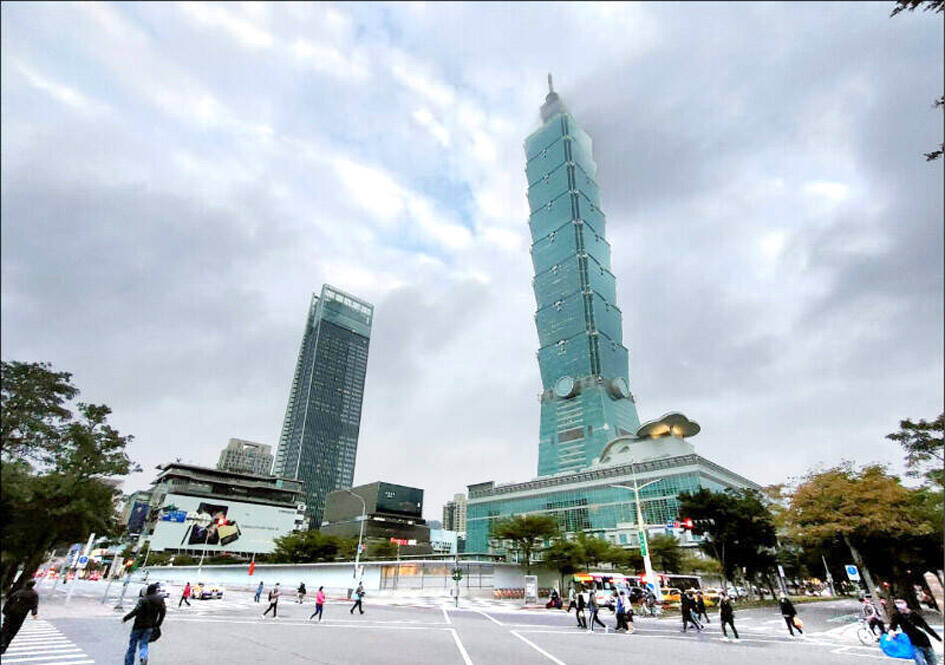
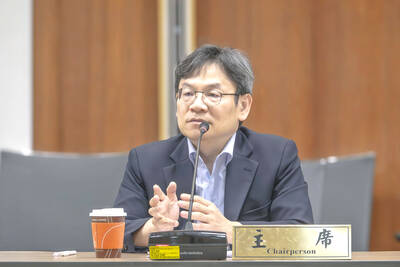
Photo: Hsu Yi-ping, Taipei Times
If finalized, the deal would reshape the ownership structure of Taiwan’s iconic skyscraper.
Itochu Corp’s Taiwan unit is currently the largest shareholder, holding a 17.27 percent stake in TFCC, followed by China United Trust at 15.11 percent.
Other major shareholders include Chunghwa Telecom Co (中華電信) with 11.76 percent, Mega Financial Holding Co (兆豐金控) with 10 percent and Taiwan Stock Exchange Corp (證交所) with 5.7 percent, alongside several state-linked lenders each owning between 3 percent and 5 percent.
Despite its status as the largest shareholder, Itochu Taiwan holds only two of 13 seats on TFCC’s board. Government-affiliated entities control the remaining 11 seats.
CDIC also occupies two of the company’s four supervisor positions.
Taipei 101’s operating performance has strengthened and last year, revenue and profit both improved, driven by robust retail operations.
Shopping mall sales totaled NT$24 billion, ranking Taipei 101 as the nation’s top-performing department store by sales.
Including office leasing and observatory income, total revenue exceeded NT$25 billion, while earnings per share surpassed the 2024 level at NT$1.75.
Hung Tai Life Insurance yesterday in a stock exchange filing said that its participation followed a prudent investment assessment, and aligned with its strategy of pursuing equity investments that deliver stable returns and support long-term operations.
The transaction would elevate Hung Tai Group to one of TFCC’s major shareholders, subject to the waiver of pre-emptive rights by existing shareholders.
Chunghwa Telecom said it would conduct an internal assessment after receiving formal notification of the deal.
China United Trust was taken over by CDIC in 2007 after the Financial Supervisory Commission intervened amid an asset-stripping scandal and a surge in nonperforming loans.
That year, CDIC first attempted to sell the trust’s TFCC stake at a floor price of NT$9.97 per share, or NT$3.69 billion in total, but the auction failed after attracting no bids and was subsequently shelved.
Shares of contract chipmaker Taiwan Semiconductor Manufacturing Co (TSMC, 台積電) came under pressure yesterday after a report that Apple Inc is looking to shift some orders from the Taiwanese company to Intel Corp. TSMC shares fell NT$55, or 2.4 percent, to close at NT$2,235 on the local main board, Taiwan Stock Exchange data showed. Despite the losses, TSMC is expected to continue to benefit from sound fundamentals, as it maintains a lead over its peers in high-end process development, analysts said. “The selling was a knee-jerk reaction to an Intel-Apple report over the weekend,” Mega International Investment Services Corp (兆豐國際投顧) analyst Alex Huang
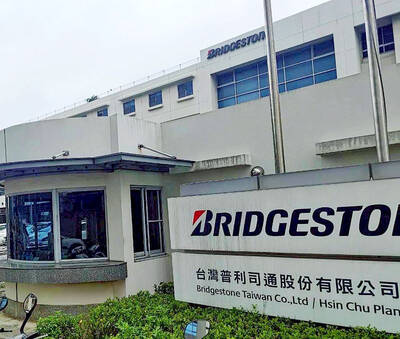
TRANSITION: With the closure, the company would reorganize its Taiwanese unit to a sales and service-focused model, Bridgestone said Bridgestone Corp yesterday announced it would cease manufacturing operations at its tire plant in Hsinchu County’s Hukou Township (湖口), affecting more than 500 workers. Bridgestone Taiwan Co (台灣普利司通) said in a statement that the decision was based on the Tokyo-based tire maker’s adjustments to its global operational strategy and long-term market development considerations. The Taiwanese unit would be reorganized as part of the closure, effective yesterday, and all related production activities would be concluded, the statement said. Under the plan, Bridgestone would continue to deepen its presence in the Taiwanese market, while transitioning to a sales and service-focused business model, it added. The Hsinchu
Taiwan Semiconductor Manufacturing Co (TSMC, 台積電) has approved a capital budget of US$31.28 billion for production expansion to meet long-term development needs during the artificial intelligence (AI) boom. The company’s board meeting yesterday approved the capital appropriation plan for purposes such as the installation of advanced technology capacity and fab construction, the world’s largest contract chipmaker said in a statement. At an earnings conference last month, TSMC forecast that its capital expenditure for this year would be at the higher end of the US$52 billion to US$56 billion range it forecast in January in response to robust demand for 5G, AI and
Taiwan Semiconductor Manufacturing Co’s (TSMC, 台積電) investment project in Arizona has progressed better than expected, but it still faces challenges such as water and labor shortages, National Development Council (NDC) Minister Yeh Chun-hsien (葉俊顯) said yesterday. Speaking with reporters after visiting TSMC’s Arizona hub and attending the SelectUSA Investment Summit in Maryland last week, Yeh said TSMC’s Arizona site turned a profit of NT$16.14 billion (US$514 million) last year in its first full year of mass production. “TSMC told me it was surprised by the smooth trial run of the first fab, which has left the company optimistic about the project’s outlook,”


 RSS
RSS