


Google yesterday announced the official launch of a traditional Chinese version of Google Search AI Mode in Taiwan.
In an article on its official blog, the company said AI Mode enables users to delve deeper into complex topics and ask questions three times longer than traditional searches, rather than having to conduct multiple searches for a task.
The article said that AI Mode uses “query fan-out,” a method that breaks down a query into various sub-topics, and sends out multiple searches, allowing the search to explore more deeply on the Internet and find “impressive” and relevant high quality content.

Photo: Carlos Jasso, Reuters
Searches can also be done by voice, photos or images, incorporating the powerful functions of Google Lens, it added.
Google is also offering a free one-year trial of Google AI Pro services to college students over the age of 18 in Taiwan, the company announced in another article yesterday.
Students will be able to use the Gemini 2.5 Pro model for learning and writing assistance, Deep Research for research projects, and NotebookLM to summarize and organize information and lecture notes, the company said.
Google is also hosting a “Taiwan High School Club Festival” event, offering NT$3,000 in cash to high-school student clubs that integrate Gemini and use it to assist with club activities, such as event planning, generating copywriting ideas and poster design.
To qualify, clubs must register and submit their plans for using Gemini, along with the results via a designated form that will be sent to the email address used for registration, according to the event page.
Submissions must be registered from Sept. 15 to Nov. 30.
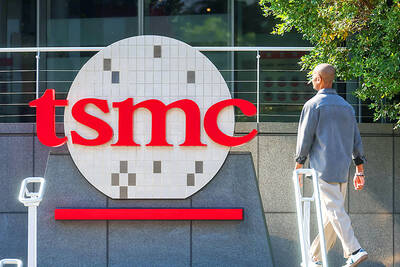
Shares of contract chipmaker Taiwan Semiconductor Manufacturing Co (TSMC, 台積電) came under pressure yesterday after a report that Apple Inc is looking to shift some orders from the Taiwanese company to Intel Corp. TSMC shares fell NT$55, or 2.4 percent, to close at NT$2,235 on the local main board, Taiwan Stock Exchange data showed. Despite the losses, TSMC is expected to continue to benefit from sound fundamentals, as it maintains a lead over its peers in high-end process development, analysts said. “The selling was a knee-jerk reaction to an Intel-Apple report over the weekend,” Mega International Investment Services Corp (兆豐國際投顧) analyst Alex Huang
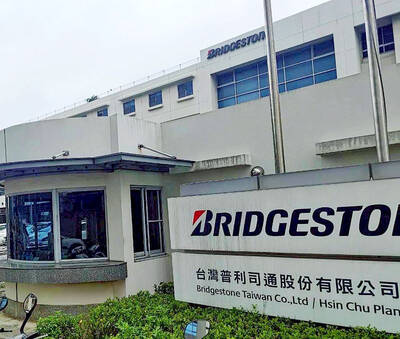
TRANSITION: With the closure, the company would reorganize its Taiwanese unit to a sales and service-focused model, Bridgestone said Bridgestone Corp yesterday announced it would cease manufacturing operations at its tire plant in Hsinchu County’s Hukou Township (湖口), affecting more than 500 workers. Bridgestone Taiwan Co (台灣普利司通) said in a statement that the decision was based on the Tokyo-based tire maker’s adjustments to its global operational strategy and long-term market development considerations. The Taiwanese unit would be reorganized as part of the closure, effective yesterday, and all related production activities would be concluded, the statement said. Under the plan, Bridgestone would continue to deepen its presence in the Taiwanese market, while transitioning to a sales and service-focused business model, it added. The Hsinchu
Taiwan Semiconductor Manufacturing Co (TSMC, 台積電) has approved a capital budget of US$31.28 billion for production expansion to meet long-term development needs during the artificial intelligence (AI) boom. The company’s board meeting yesterday approved the capital appropriation plan for purposes such as the installation of advanced technology capacity and fab construction, the world’s largest contract chipmaker said in a statement. At an earnings conference last month, TSMC forecast that its capital expenditure for this year would be at the higher end of the US$52 billion to US$56 billion range it forecast in January in response to robust demand for 5G, AI and
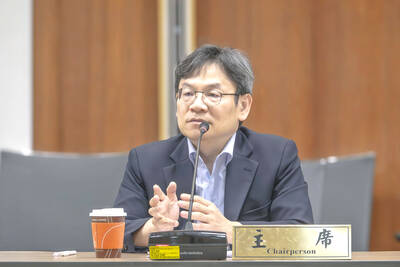
Taiwan Semiconductor Manufacturing Co’s (TSMC, 台積電) investment project in Arizona has progressed better than expected, but it still faces challenges such as water and labor shortages, National Development Council (NDC) Minister Yeh Chun-hsien (葉俊顯) said yesterday. Speaking with reporters after visiting TSMC’s Arizona hub and attending the SelectUSA Investment Summit in Maryland last week, Yeh said TSMC’s Arizona site turned a profit of NT$16.14 billion (US$514 million) last year in its first full year of mass production. “TSMC told me it was surprised by the smooth trial run of the first fab, which has left the company optimistic about the project’s outlook,”


 RSS
RSS