


Smartphone chip designer MediaTek Inc (聯發科) is planning to introduce its next-generation Dimensity 9400 chipset in the fourth quarter of this year to support artificial-intelligence (AI) applications, company CEO Rick Tsai (蔡力行) said yesterday.
Speaking at a ceremony where MediaTek broke ground on an office building close to the Hsinchu High Speed Rail station, Tsai said the Dimensity 9300 chipset, which was unveiled in early November 2022, was a success, with many clients expressing satisfaction with the product.
MediaTek has faith that the upcoming Dimensity 9400 would outperform the Dimensity 9300 and lead to another sales pinnacle for the company, he said.
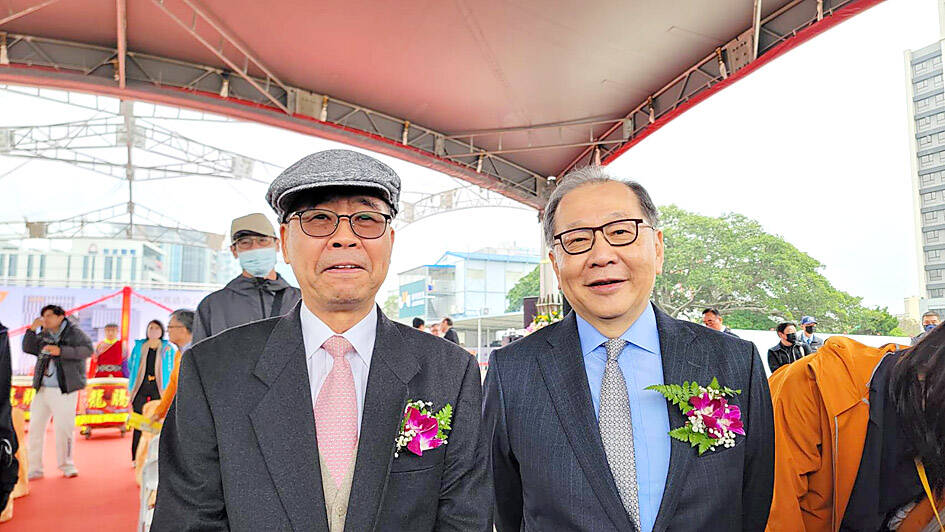
Photo: Vanessa Cho, Taipei Tim
The launch of the Dimensity 9400 would be part of a development trend for smartphones to be equipped with AI applications, he added.
Commenting on the construction of the new office building in Hsinchu, MediaTek chairman Tsai Ming-kai (蔡明介) said the investment shows the company’s commitment to Taiwan’s IC design industry as well as its confidence in the nation’s technology development.
The construction of the office building, which has 12 floors above ground and five floors underground, is scheduled to be completed in 2027 and will accommodate 3,000 personnel as part of the company’s efforts to boost its talent pool, he said.
Taiwan’s semiconductor industry needs more investments in research and development and further cultivation of talent, he added.
Vice Premier Cheng Wen-tsan (鄭文燦), who attended the groundbreaking ceremony, said the government would continue to fully support to the local IC design industry.
The government has launched the five-year Taiwan Chip-based Industrial Innovation Program (晶片驅動台灣產業創新方案), which aims to boost the output of Taiwan’s IC design industry from 20 percent to 40 percent of the global total within 10 years.
MediaTek’s new office building is a good indicator of the investment sentiment in Taiwan, and its location would be convenient for northbound and southbound transportation, Cheng said
Cheng added that he believed the new building would become an outstanding research and development hub, praising MediaTek, which is among the top 10 IC designers in the global market, as a leader in the local IC industry.
MediaTek ranked as the fifth-largest IC designer in the world in the third quarter of last year, with Taiwan-based Novatek Microelectronics Corp (聯詠), specializing in display driver IC design, and communications network IC designer Realtek Semiconductor Corp (瑞昱), another Taiwanese company, ranking seventh and eighth respectively, according to Taipei-based TrendForce Corp (集邦科技).

Shares of contract chipmaker Taiwan Semiconductor Manufacturing Co (TSMC, 台積電) came under pressure yesterday after a report that Apple Inc is looking to shift some orders from the Taiwanese company to Intel Corp. TSMC shares fell NT$55, or 2.4 percent, to close at NT$2,235 on the local main board, Taiwan Stock Exchange data showed. Despite the losses, TSMC is expected to continue to benefit from sound fundamentals, as it maintains a lead over its peers in high-end process development, analysts said. “The selling was a knee-jerk reaction to an Intel-Apple report over the weekend,” Mega International Investment Services Corp (兆豐國際投顧) analyst Alex Huang
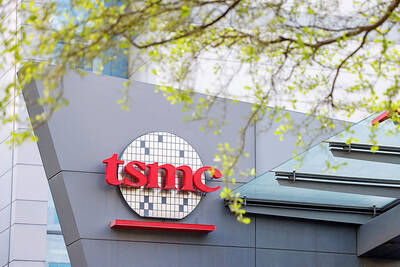
Taiwan Semiconductor Manufacturing Co (TSMC, 台積電) is expected to remain Apple Inc’s primary chip manufacturing partner despite reports that Apple could shift some orders to Intel Corp, industry experts said yesterday. The comments came after The Wall Street Journal reported on Friday that Apple and Intel had reached a preliminary agreement following more than a year of negotiations for Intel to manufacture some chips for Apple devices. Taiwan Institute of Economic Research (台灣經濟研究院) economist Arisa Liu (劉佩真) said TSMC’s advanced packaging technologies, including integrated fan-out and chip-on-wafer-on-substrate, remain critical to the performance of Apple’s A-series and M-series chips. She said Intel and Samsung
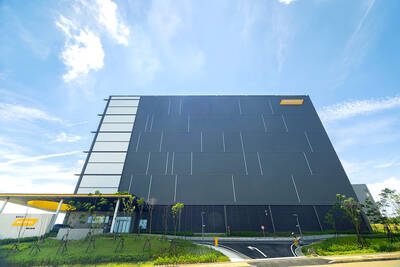
POWER BUILDUP: Powered by Nvidia’s B200 Blackwell chips, the data center would support MediaTek’s computing power demand and business growth, the company said Smartphone chip designer MediaTek Inc (聯發科) yesterday launched a new artificial intelligence (AI) data center with a maximum capacity of 45 megawatts to meet its rising demand for computing power required to develop new advanced chips for AI applications. The company has completed the first-phase computing power buildup at the data center in Miaoli County’s Tongluo Township (銅鑼), providing 15 megawatts of capacity to support its research and development (R&D) capabilities, despite an industrywide shortage of key components, MediaTek said. Supply constraints have plagued a wide range of key components, including memory chips, solid-state drives, power supply units and central
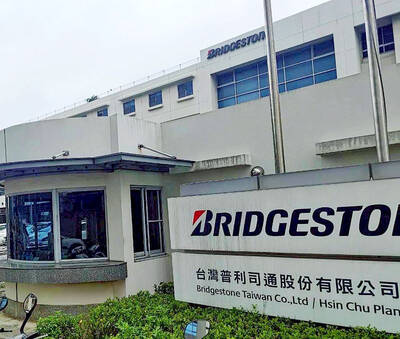
TRANSITION: With the closure, the company would reorganize its Taiwanese unit to a sales and service-focused model, Bridgestone said Bridgestone Corp yesterday announced it would cease manufacturing operations at its tire plant in Hsinchu County’s Hukou Township (湖口), affecting more than 500 workers. Bridgestone Taiwan Co (台灣普利司通) said in a statement that the decision was based on the Tokyo-based tire maker’s adjustments to its global operational strategy and long-term market development considerations. The Taiwanese unit would be reorganized as part of the closure, effective yesterday, and all related production activities would be concluded, the statement said. Under the plan, Bridgestone would continue to deepen its presence in the Taiwanese market, while transitioning to a sales and service-focused business model, it added. The Hsinchu


 RSS
RSS