


Taiwan Semiconductor Manufacturing Co’s (TSMC, 台積電) board of directors is to decide in favor of building a factory in the German city of Dresden, the Handelsblatt daily reported yesterday, citing government sources.
The German government would support the construction of the factory by providing 5 billion euros (US$5.49 billion), the sources said.
The German Ministry for Economic Affairs and Climate Action declined to comment on the report.
Photo: Ann Wang, Reuters
TSMC, the world’s largest contract chipmaker, has been in talks with the German state of Saxony since 2021 about building a fab in Dresden.
It is to operate the factory in a joint venture with Robert Bosch GmbH, Infineon Technologies AG and NXP Semiconductors NV, the sources told Handelsblatt.
After the board gives the green light, TSMC, which plans to use the Dresden plant primarily to produce chips for the automotive industry, could sign a letter of intent with Berlin on the funding, with the final decision to be made by the European Commission, the report said.
TSMC is one of several chipmakers, including Intel Corp and Wolfspeed Inc, seeking to draw on government funding to build factories in Europe.
Brussels and EU member states are pushing for domestic production by offering billions in state subsidies to cut dependency on Asian suppliers and ease a global chip shortage which created havoc for automakers.
Shares of contract chipmaker Taiwan Semiconductor Manufacturing Co (TSMC, 台積電) came under pressure yesterday after a report that Apple Inc is looking to shift some orders from the Taiwanese company to Intel Corp. TSMC shares fell NT$55, or 2.4 percent, to close at NT$2,235 on the local main board, Taiwan Stock Exchange data showed. Despite the losses, TSMC is expected to continue to benefit from sound fundamentals, as it maintains a lead over its peers in high-end process development, analysts said. “The selling was a knee-jerk reaction to an Intel-Apple report over the weekend,” Mega International Investment Services Corp (兆豐國際投顧) analyst Alex Huang
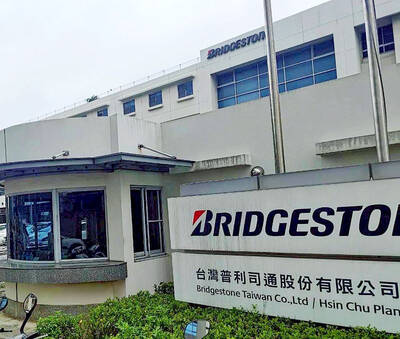
TRANSITION: With the closure, the company would reorganize its Taiwanese unit to a sales and service-focused model, Bridgestone said Bridgestone Corp yesterday announced it would cease manufacturing operations at its tire plant in Hsinchu County’s Hukou Township (湖口), affecting more than 500 workers. Bridgestone Taiwan Co (台灣普利司通) said in a statement that the decision was based on the Tokyo-based tire maker’s adjustments to its global operational strategy and long-term market development considerations. The Taiwanese unit would be reorganized as part of the closure, effective yesterday, and all related production activities would be concluded, the statement said. Under the plan, Bridgestone would continue to deepen its presence in the Taiwanese market, while transitioning to a sales and service-focused business model, it added. The Hsinchu
Taiwan Semiconductor Manufacturing Co (TSMC, 台積電) has approved a capital budget of US$31.28 billion for production expansion to meet long-term development needs during the artificial intelligence (AI) boom. The company’s board meeting yesterday approved the capital appropriation plan for purposes such as the installation of advanced technology capacity and fab construction, the world’s largest contract chipmaker said in a statement. At an earnings conference last month, TSMC forecast that its capital expenditure for this year would be at the higher end of the US$52 billion to US$56 billion range it forecast in January in response to robust demand for 5G, AI and
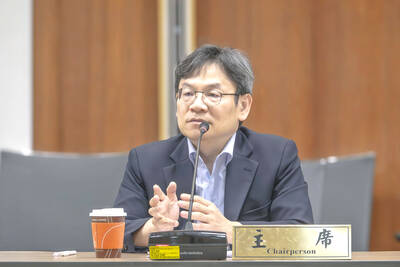
Taiwan Semiconductor Manufacturing Co’s (TSMC, 台積電) investment project in Arizona has progressed better than expected, but it still faces challenges such as water and labor shortages, National Development Council (NDC) Minister Yeh Chun-hsien (葉俊顯) said yesterday. Speaking with reporters after visiting TSMC’s Arizona hub and attending the SelectUSA Investment Summit in Maryland last week, Yeh said TSMC’s Arizona site turned a profit of NT$16.14 billion (US$514 million) last year in its first full year of mass production. “TSMC told me it was surprised by the smooth trial run of the first fab, which has left the company optimistic about the project’s outlook,”


 RSS
RSS