


Simple Mart Retail Co (三商家購), which operates supermarket chain Simple Mart (美廉社), is to start trading of its shares on the Emerging Stock Board today, according to the Taipei Exchange, the bourse for small and medium-sized capitalization companies.
Simple Mart Retail, founded in 2006, had 661 Simple Mart stores as of Nov. 30, second only to PX Mart Co’s (全聯實業) 951 Pxmart (全聯福利中心) outlets. Simple Mart Retail also runs other retail sub-brands, including Damei Discount Mart (大美折扣超市) and Simple City Mart (美廉城超).
The listing comes after its parent company, Mercuries & Associates Holding Ltd (三商投資控股), earlier this year sold a 22 percent stake in Simple Mart Retail to Sumitomo Corp, making the Tokyo-based trading house a strategic investor in the Taiwanese retailer.
In a research note published on Thursday last week, Yuanta Securities Investment Consulting Co (元大投顧) analyst Juliette Liu (劉珮昀) said Simple Mart is a fast-growing supermarket chain with improving profitability.
“It posted per-store daily sales of NT$45,000 to NT$50,000 [US$1,458 to US$1,620] with stable single-store sales (SSS) growth of about 1 percent over each of the past five years, driven by its product mix and pricing strategy,” Liu said. “Its price advantages allow it to compete with hypermarkets, but at locations easily accessible to customers.”
The supermarket chain has expanded from 50 stores in 2007 to 617 stores last year, and aims to reach 1,200 stores by 2022, Liu said.
It has also developed a franchise system since 2011 and hopes to increase their contribution to 38 percent next year from 20 percent last year, she said.
Given the retailer’s solid SSS growth and its store expansion, consolidated sales in the first 11 months of the year rose 6.8 percent year-on-year to NT$10.96 billion, a company regulatory filing showed.
Thanks to a better product mix, with more sales of private label and imported goods, as well as a higher contribution from franchises, net income in the first half of the year totaled NT$57.78 million, up 31.33 percent from a year earlier, with earnings per share of NT$1.25.
In terms of equity investment, “retail names are also considered defensive under the shaky broad market,” Liu said.
Shares of Simple Mart Retail are to be traded from NT$110 today under the stock number 2945.
Shares of contract chipmaker Taiwan Semiconductor Manufacturing Co (TSMC, 台積電) came under pressure yesterday after a report that Apple Inc is looking to shift some orders from the Taiwanese company to Intel Corp. TSMC shares fell NT$55, or 2.4 percent, to close at NT$2,235 on the local main board, Taiwan Stock Exchange data showed. Despite the losses, TSMC is expected to continue to benefit from sound fundamentals, as it maintains a lead over its peers in high-end process development, analysts said. “The selling was a knee-jerk reaction to an Intel-Apple report over the weekend,” Mega International Investment Services Corp (兆豐國際投顧) analyst Alex Huang
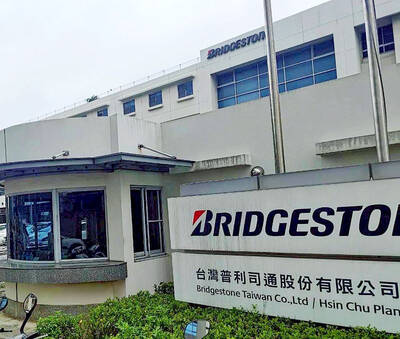
TRANSITION: With the closure, the company would reorganize its Taiwanese unit to a sales and service-focused model, Bridgestone said Bridgestone Corp yesterday announced it would cease manufacturing operations at its tire plant in Hsinchu County’s Hukou Township (湖口), affecting more than 500 workers. Bridgestone Taiwan Co (台灣普利司通) said in a statement that the decision was based on the Tokyo-based tire maker’s adjustments to its global operational strategy and long-term market development considerations. The Taiwanese unit would be reorganized as part of the closure, effective yesterday, and all related production activities would be concluded, the statement said. Under the plan, Bridgestone would continue to deepen its presence in the Taiwanese market, while transitioning to a sales and service-focused business model, it added. The Hsinchu
Taiwan Semiconductor Manufacturing Co (TSMC, 台積電) has approved a capital budget of US$31.28 billion for production expansion to meet long-term development needs during the artificial intelligence (AI) boom. The company’s board meeting yesterday approved the capital appropriation plan for purposes such as the installation of advanced technology capacity and fab construction, the world’s largest contract chipmaker said in a statement. At an earnings conference last month, TSMC forecast that its capital expenditure for this year would be at the higher end of the US$52 billion to US$56 billion range it forecast in January in response to robust demand for 5G, AI and
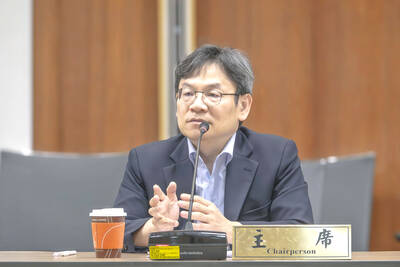
Taiwan Semiconductor Manufacturing Co’s (TSMC, 台積電) investment project in Arizona has progressed better than expected, but it still faces challenges such as water and labor shortages, National Development Council (NDC) Minister Yeh Chun-hsien (葉俊顯) said yesterday. Speaking with reporters after visiting TSMC’s Arizona hub and attending the SelectUSA Investment Summit in Maryland last week, Yeh said TSMC’s Arizona site turned a profit of NT$16.14 billion (US$514 million) last year in its first full year of mass production. “TSMC told me it was surprised by the smooth trial run of the first fab, which has left the company optimistic about the project’s outlook,”


 RSS
RSS