


An environmental group protested outside the WiMAX Expo over the potential health impact of electromagnetic radiation as President Ma Ying-jeou (馬英九) visited the trade show at the Taipei World Trade Center.
Ma, who took pride in his efforts to boost wireless Internet service in Taipei during his two terms as mayor, pledged to use Worldwide Interoperability for Microwave Access (WiMAX) technology to bridge the digital divide between urban and rural areas.
Over the past three years the government has pumped more than NT$20 billion (US$647.5 million) into developing WiMAX and opened WiMAX frequencies to six operators.
But environmentalists yesterday urged more caution, saying electromagnetic radiation linked to WiMAX technology may have a negative impact on human health.
“WiMAX is a policy mistake,” Chen Jiau-hua (陳椒華), president of the Taiwan Electromagnetic Radiation Hazard Protection and Control Association, shouted before Ma left Exhibition Hall II of the trade center.
Chen, a professor at the Chia Nan University of Pharmacy and Science, said the government should think twice about boosting WiMAX technology because electric and magnetic fields from power lines, wiring and appliances are harmful to human health.
She cited an international study that found exposure to electromagnetic radiation may cause cancer and was likely responsible for an increase in childhood leukemia, although more research was necessary to establish the link.
Chen’s association has called on the legislature to pass a law banning the installment of wireless antennas in residential areas or near school campuses.
Mike Lin (林智清), who works for the Taipei Computer Association (TCA, 台北市電腦公會), dismissed the health fears, saying that electromagnetic radiation associated with WiMAX is lower than that for mobile phones. He said the National Communications Commission was of the same opinion.
WiMAX can transmit wireless data at high speed over long distances for computers or mobile phones. The wireless Internet service currently in use cannot maintain normal operations if a laptop is being used in a vehicle traveling at a speed of more than 50kph, but WiMAX chipsets enable laptops to remain connected to the Internet while moving as fast as 80kph.

Shares of contract chipmaker Taiwan Semiconductor Manufacturing Co (TSMC, 台積電) came under pressure yesterday after a report that Apple Inc is looking to shift some orders from the Taiwanese company to Intel Corp. TSMC shares fell NT$55, or 2.4 percent, to close at NT$2,235 on the local main board, Taiwan Stock Exchange data showed. Despite the losses, TSMC is expected to continue to benefit from sound fundamentals, as it maintains a lead over its peers in high-end process development, analysts said. “The selling was a knee-jerk reaction to an Intel-Apple report over the weekend,” Mega International Investment Services Corp (兆豐國際投顧) analyst Alex Huang
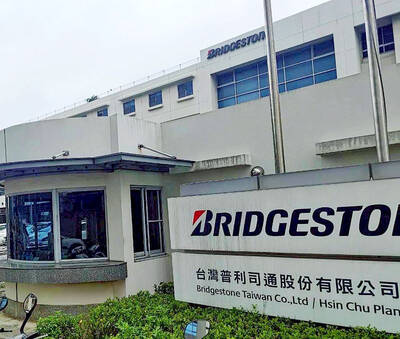
TRANSITION: With the closure, the company would reorganize its Taiwanese unit to a sales and service-focused model, Bridgestone said Bridgestone Corp yesterday announced it would cease manufacturing operations at its tire plant in Hsinchu County’s Hukou Township (湖口), affecting more than 500 workers. Bridgestone Taiwan Co (台灣普利司通) said in a statement that the decision was based on the Tokyo-based tire maker’s adjustments to its global operational strategy and long-term market development considerations. The Taiwanese unit would be reorganized as part of the closure, effective yesterday, and all related production activities would be concluded, the statement said. Under the plan, Bridgestone would continue to deepen its presence in the Taiwanese market, while transitioning to a sales and service-focused business model, it added. The Hsinchu
Taiwan Semiconductor Manufacturing Co (TSMC, 台積電) has approved a capital budget of US$31.28 billion for production expansion to meet long-term development needs during the artificial intelligence (AI) boom. The company’s board meeting yesterday approved the capital appropriation plan for purposes such as the installation of advanced technology capacity and fab construction, the world’s largest contract chipmaker said in a statement. At an earnings conference last month, TSMC forecast that its capital expenditure for this year would be at the higher end of the US$52 billion to US$56 billion range it forecast in January in response to robust demand for 5G, AI and
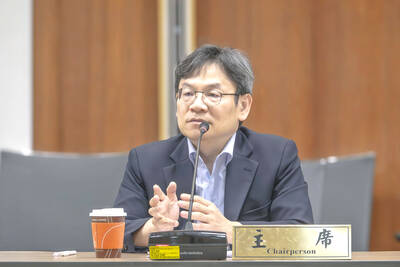
Taiwan Semiconductor Manufacturing Co’s (TSMC, 台積電) investment project in Arizona has progressed better than expected, but it still faces challenges such as water and labor shortages, National Development Council (NDC) Minister Yeh Chun-hsien (葉俊顯) said yesterday. Speaking with reporters after visiting TSMC’s Arizona hub and attending the SelectUSA Investment Summit in Maryland last week, Yeh said TSMC’s Arizona site turned a profit of NT$16.14 billion (US$514 million) last year in its first full year of mass production. “TSMC told me it was surprised by the smooth trial run of the first fab, which has left the company optimistic about the project’s outlook,”


 RSS
RSS