


A second suspect sought in the murder of a US-born nun who was an advocate for landless farmers was arrested late Sunday in the Brazilian state of Para, police said.
Rayfran das Neves Sales was captured about 20km from the town of Anapu after local residents recognized him from a photograph posted by police, police superindendent Pedro Monteiro told reporters.
Rayfran is the second suspect in the murder of Dorothy Stang, a 74-year-old missionary who spent decades working with the poor in Para state, arrested by Brazilian police.
Amair Feijole da Cunha, known by the nickname Tato, surrendered to authorities in the town of Altamira Saturday.
Tato was sought as a suspected go-between linking rancher Vitalmiro Bastos de Moura, "Bida," who was suspected of paying for a hit, and two men suspected of carrying out the crime, Eduardo and Rayfran das Neves Sales.
The hit men earned US$19,000 dollars in cash for the murder, according to the daily O Estado de Sao Paulo.
The man accused of hiring two gunmen to kill Stang was charged Sunday with conspiracy to murder, authorities said.
Amair Freijoli da Cunha, known as Tato, was charged after nearly three and a half hours of interrogation by Para state police in Altamira, police said.
Cunha turned himself in Saturday after arrest warrants were issued for him and three other suspects, the two purported gunmen and a rancher accused of ordering the killing of Stang.
Cunha, who was accompanied by a lawyer, denied any involvement in the crime, but police said he gave too many contradictory statements and is clearly connected with the other suspects. If convicted, he faces up to 30 years in prison.
Police investigator Waldir Freire said Cunha ``was lying the whole time,'' the official Agencia Brasil news agency said.
Also Sunday, witnesses told police that Cunha and Stang had an altercation a day before she was shot six times at the Boa Esperanca settlement near the rural town of Anapu, about 2,100km north of Rio de Janeiro.
Police said Stang, a naturalized Brazilian originally from Dayton, Ohio, wanted Cunha to leave the settlement, where she helped some 400 families survive in the jungle.
Cunha allegedly hired the gunmen on behalf of Vitamiro Goncalves Moura, a rancher known as Bida who is accused of ordering the killing.
Moura and the two gunmen were still at large, police said. State and federal officers and jungle troops in helicopters and pickup trucks were hunting for them in the largely lawless Amazon region where Stang was killed. After Stang's murder Feb. 12, the government sent 2,000 troops to the northern state in an effort to avert more violence.

‘ABSURD MISTAKE’: The election commission said that there had been a failure to anticipate turnout after 14 polling stations ran short of ballot papers South Korean riot police yesterday cleared protesters from a Seoul polling station after a 35-hour blockade sparked by a shortage of ballot papers during local elections earlier this week. Wednesday’s election was the first nationwide vote since South Korean President Lee Jae-myung took office following the ouster of Yoon Suk-yeol over his short-lived martial law declaration. Lee’s ruling Democratic Party swept most races, but failed to flip the crucial Seoul mayoral seat. The South Korean National Election Commission apologized, blaming a failure to anticipate turnout after 14 polling stations in Seoul ran short of ballot papers. Some polling stations stayed open until 10pm to

France experienced its hottest spring on record, the French weather service said on Tuesday, after an exceptional early heat wave that also broke highs for the season in England and Wales. Meteo-France said the average nationwide temperature over March to May was 13.8°C — about 1.7°C above the norm, and surpassing records set in 2011 and 2020. “The warmest spring since records began in 1900,” it said in a bulletin. All three months were warmer than average, but the onset of an “unprecedented heatwave” late last month pushed the mercury to highs typically seen at the height of the summer. “Our country had never

A Sherpa guide was found crawling to base camp on Mount Everest a week after he went missing and was reunited with his family, who had given up hope he would return. Dawa Sherpa was last seen on Friday last week descending the mountain, but he did not reach base camp even though his client did. The pair were among the last climbers on the mountain as the climbing season came to an end and the route was dismantled. Dawa was located by a cleaning crew on Thursday morning as he was crawling down the snowy slopes around the Khumbu Icefall, just above
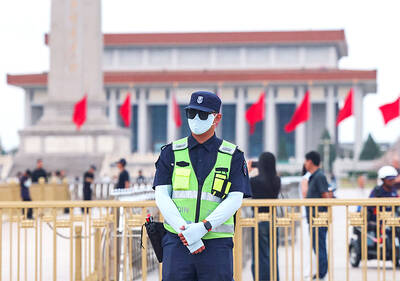
Chinese authorities are snuffing out any remembrance of the deadly 1989 military crackdown on student-led pro-democracy protests in Tiananmen Square, which happened 37 years ago yesterday, in a further tightening of a years-long campaign to erase what happened from public memory. Police told relatives of the victims they would not be allowed to visit a cemetery in Beijing on the anniversary of the crackdown, a person with knowledge of the matter said. Relatives of the victims visited the cemetery on the anniversary for more than 30 years to read memorial statements with police keeping watch, Amnesty International said. Hundreds of people,


 RSS
RSS