


Lebanon was in mourning yesterday after five-time prime minister and billionaire tycoon Rafiq Hariri was assassinated here in a huge bomb blast that stoked fears of fresh sectarian strife 15 years after the end of the civil war.
Lebanon's anti-Syrian opposition quickly blamed the governments in Beirut and Damascus of responsibility for the assassination of Hariri, who was killed along with at least nine other people when the explosion ripped through his motorcade.
About 100 people were also wounded in the blast that left a trail of carnage and devastation in a busy seafront area in scenes reminiscent of the 1975 to 1990 war.
Media reports said the blast was caused by a car bomb and a hitherto unknown Islamic group claimed responsibility for what it said was a suicide attack to avenge Hariri's close ties with the Saudi regime.
But Prince Talal bin Abdul Aziz, half-brother of King Fahd of Saudi Arabia, expressed doubt about the authenticity of the group and called for an independent enquiry into the attack.
The dead included one of the bodyguards of the 60-year-old rags-to riches Sunni Muslim who resigned as prime minister four months ago in a row over Syrian dominance of Lebanon.
The attack plunged Lebanon into grief and raised worries about the stability of the country, which is treading a delicate path between its Sunni, Shiite and Christian communities.
It came at a time of high political tension in Lebanon and international pressure over Syria's role in the country, just a few months before legislative elections are due to be held.
The Lebanese army meanwhile announced a "general mobilization to safeguard stability" in the country, recalled soldiers on leave and deployed troops in Beirut and other regions.
The announcement came as relatives of Hariri said his family would hold a private funeral ceremony today, during which they did not wish the presence of any government officials.
While the government called for three days of mourning and a state funeral, Lebanese anti-Syrian opposition leaders demanded a three-day general strike, the resignation of the government and a Syrian troop withdrawal from Lebanon.
"We hold the Lebanese government and the Syrian government, the power behind it, responsible for the crime," Member of Parliament Bassem Sabeh said after an opposition meeting at Hariri's Beirut family home.
"We demand the resignation of the government, which has lost all legitimacy, and the formation of a caretaker government," said Sabeh, flanked by Druze leader Walid Jumblatt and other opposition figures.
He said Syria should pull out its 14,000 troops from Lebanon before parliamentary elections due in a few months' time.
Hariri's rise was a rags to riches story. Born to a poor farmer in Sidon, he became one of the world's 100 richest people credited with spearheading Lebanon's post-war reconstruction.
He headed five governments from 1992, but later became a thorn in the side of Beirut's political masters in Damascus and resigned as premier in October after disputes with Lahoud.
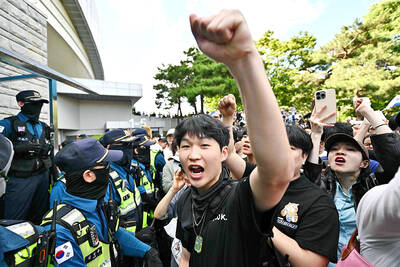
‘ABSURD MISTAKE’: The election commission said that there had been a failure to anticipate turnout after 14 polling stations ran short of ballot papers South Korean riot police yesterday cleared protesters from a Seoul polling station after a 35-hour blockade sparked by a shortage of ballot papers during local elections earlier this week. Wednesday’s election was the first nationwide vote since South Korean President Lee Jae-myung took office following the ouster of Yoon Suk-yeol over his short-lived martial law declaration. Lee’s ruling Democratic Party swept most races, but failed to flip the crucial Seoul mayoral seat. The South Korean National Election Commission apologized, blaming a failure to anticipate turnout after 14 polling stations in Seoul ran short of ballot papers. Some polling stations stayed open until 10pm to
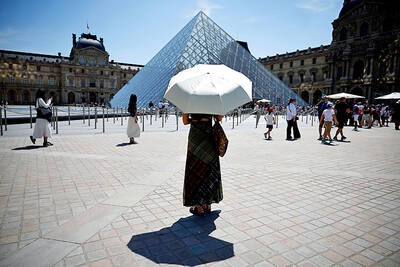
France experienced its hottest spring on record, the French weather service said on Tuesday, after an exceptional early heat wave that also broke highs for the season in England and Wales. Meteo-France said the average nationwide temperature over March to May was 13.8°C — about 1.7°C above the norm, and surpassing records set in 2011 and 2020. “The warmest spring since records began in 1900,” it said in a bulletin. All three months were warmer than average, but the onset of an “unprecedented heatwave” late last month pushed the mercury to highs typically seen at the height of the summer. “Our country had never
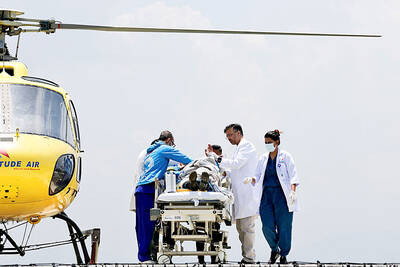
A Sherpa guide was found crawling to base camp on Mount Everest a week after he went missing and was reunited with his family, who had given up hope he would return. Dawa Sherpa was last seen on Friday last week descending the mountain, but he did not reach base camp even though his client did. The pair were among the last climbers on the mountain as the climbing season came to an end and the route was dismantled. Dawa was located by a cleaning crew on Thursday morning as he was crawling down the snowy slopes around the Khumbu Icefall, just above
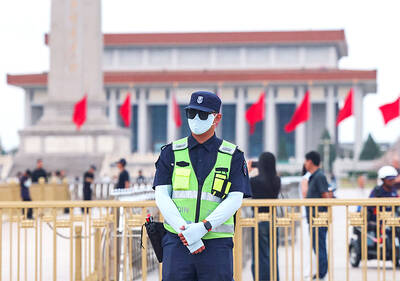
Chinese authorities are snuffing out any remembrance of the deadly 1989 military crackdown on student-led pro-democracy protests in Tiananmen Square, which happened 37 years ago yesterday, in a further tightening of a years-long campaign to erase what happened from public memory. Police told relatives of the victims they would not be allowed to visit a cemetery in Beijing on the anniversary of the crackdown, a person with knowledge of the matter said. Relatives of the victims visited the cemetery on the anniversary for more than 30 years to read memorial statements with police keeping watch, Amnesty International said. Hundreds of people,


 RSS
RSS